
Habits That Help You Retire Much Earlier
The idea of early retirement is a dream that seems very remote to most people, but certain practices can get you to where you would like to be much earlier than sixty-five. The magnitude that makes that difference is simply about certain choices that you might make over a very long period of time.
The idea is that these practices have nothing to do with misery, but rather have to do with certain values. Small amounts every day add up to substantial wealth-building over a long period of time.
Starting these good habits as soon as possible multiplies their power through the magic of interest compounding. Retiring early demands planning, discipline, and embracing a lifestyle discount compared to what society’s money management culture recommends.

Save aggressively from your first paycheck
The habit of saving needs to start immediately, not after you’ve established yourself or paid off everything else. Aim to save at least twenty percent of gross income, increasing that percentage with every raise.
Treat savings as a non-negotiable expense that gets paid first, not whatever remains after spending. Automate transfers to savings and investment accounts so the money disappears before you can spend it.
Living on eighty percent of your income from the start prevents lifestyle inflation. People who wait to save until they feel financially comfortable rarely start because comfort keeps moving just out of reach.
The compounding effect of early savings creates exponential growth over decades.
Avoid lifestyle inflation with every raise
When income increases, most people immediately increase their spending to match. This keeps them on the same financial treadmill despite earning more.
Instead, maintain your current lifestyle and redirect raises, bonuses, and windfalls directly into savings and investments. If you get a ten percent raise, save at least eight percent of it.
Allow yourself small upgrades occasionally, but not in proportion to income growth. The gap between earning and spending creates wealth.
People who retire early often live well below their means throughout their careers, creating massive savings rates that accelerate wealth building.

Track every dollar you spend
You can’t control what you don’t measure. Track all spending for at least three months to see where money actually goes.
Apps make this easy, or use spreadsheets if you prefer manual control. The awareness alone often changes behavior without additional effort.
Tracking reveals spending patterns you didn’t realize existed. Those daily coffee purchases add up to thousands annually.
Subscription services you forgot about drain funds automatically. Once visible, these leaks become easy to plug.
Successful early retirees typically know their expenses down to the dollar, making intentional choices rather than unconscious ones.

Invest consistently regardless of market conditions
Market timing doesn’t work for average investors. Develop the habit of investing fixed amounts regularly—monthly or with each paycheck.
This dollar-cost averaging smooths out market volatility and removes emotion from investing decisions. Continue investing through market downturns when prices are low.
People who panic and sell during crashes lose the gains that follow recoveries. The habit of consistent investing, maintained over decades, builds substantial portfolios.
Set up automatic investments so the habit requires no willpower or decision-making.

Keep housing costs below thirty percent of income
Housing typically consumes the largest portion of budgets. Keeping it under thirty percent of gross income frees massive amounts for saving and investing.
This might mean buying less house than you qualify for, choosing a modest neighborhood, or getting a roommate. People who retire early often live in smaller homes, buy below their means, or choose lower-cost areas intentionally.
The savings from reasonable housing costs compound over thirty years into hundreds of thousands of dollars. Resist pressure to buy the biggest house the bank will approve.

Drive paid-off, reliable vehicles
New cars lose value the moment you drive them off the lot. Successful early retirees typically buy quality used vehicles and drive them for ten-plus years.
They avoid car payments entirely by saving cash for purchases. A reliable seven-year-old car serves the same transportation function as a new one.
The average car payment in America is over five hundred dollars monthly. Investing that amount instead creates substantial wealth over time.
Cars are tools for transportation, not status symbols. This single habit can contribute hundreds of thousands toward retirement when maintained over a career.
Eliminate and avoid consumer debt
Credit card interest and consumer loans destroy wealth building. Pay off all consumer debt as quickly as possible, then never carry balances again.
The interest you avoid paying becomes money available for investing. Use credit cards for convenience and rewards, but pay them off monthly.
Avoid financing furniture, electronics, or anything that depreciates. The habit of buying only what you can afford with cash prevents the wealth drain of interest payments.
People who retire early typically have zero consumer debt long before retirement.

Develop multiple income streams
Relying solely on employment income creates risk and limits earning potential. Develop side income through freelancing, rental properties, dividend stocks, or small businesses.
Multiple income streams provide security and accelerate savings. Even a small additional income makes a difference over time.
An extra five hundred monthly invested for twenty years becomes substantial wealth. Side income also develops skills that might become full income sources during early retirement.
This habit diversifies risk while increasing savings capacity.

Learn to cook and eat at home
Restaurant meals cost three to five times more than home-cooked equivalents. Developing cooking skills and the habit of eating at home saves thousands annually.
This doesn’t mean eating out, but making home cooking the default rather than the occasional exception. Meal planning and batch cooking make the habit sustainable.
The health benefits complement the financial ones. People who retire early typically spend significantly less on food than average households.
The savings get invested, creating another stream feeding early retirement goals.

Optimize tax efficiency aggressively
Understanding tax law and maximizing tax-advantaged accounts significantly impacts wealth accumulation. Max out 401k contributions, use Roth IRAs, and take advantage of HSAs.
These accounts provide tax benefits that boost effective returns. Learn about tax-loss harvesting, capital gains strategies, and deductions available to you.
The habit of optimizing taxes legally keeps more money working for you. Many early retirees structure their retirement income to minimize taxes, stretching savings further.
Tax efficiency can add years to how long money lasts.

Continuously increase your earning potential
Investing in skills that increase income accelerates early retirement dramatically. Take courses, earn certifications, change jobs strategically for raises, and negotiate compensation aggressively.
Career development shouldn’t stop after landing a job. High earners who maintain moderate spending retire much faster than moderate earners.
The combination of increasing income while containing expenses creates a growing gap that funds retirement. This habit requires treating yourself as an appreciating asset worth investing in.

Plan and optimize major purchases
Large purchases deserve research and planning. Whether buying a house, car, or major appliances, the habit of thorough research and patience saves enormous amounts.
Wait for sales, negotiate prices, and consider used options before buying new. Avoiding impulsive major purchases prevents regret and overspending.
The difference between a hasty purchase and a planned one can be thousands of dollars. Those savings, invested over time, contribute meaningfully to early retirement.
This habit also improves purchase satisfaction since research leads to better choices.

Build an emergency fund before aggressive investing
An emergency fund of six to twelve months of expenses prevents derailing your investment plan when unexpected costs arise. Without this buffer, emergencies force you to sell investments at bad times or take on debt.
Build this fund first, then focus on aggressive investing. The habit of maintaining the emergency fund—replenishing it when used—protects long-term wealth building.
It provides peace of mind that allows staying invested during market volatility. Early retirees typically have substantial emergency reserves.
Review and adjust financial plans quarterly
Set up a habit of quarterly financial reviews. Check investment performance, reassess spending, update net worth calculations, and adjust strategies as needed.
This regular attention keeps you on track and catches problems early. Review retirement projections and adjust savings rates based on progress.
Celebrate milestones to maintain motivation. The habit of regular review prevents drift and keeps early retirement goals front of mind.
Successful early retirees track progress obsessively, making course corrections as life changes.

Cultivate contentment with enough
Satisfaction might be the key piece here – learning to feel full when things are just enough. Picture your own version of “done,” then pause before adding more on top.
When that mindset clicks, money choices stick without force. Early retirees usually find out their needs have shrunk.
Instead of lacking, living simply can mean focusing on moments, people, close bonds – choosing space over stuff. Shifting how you see saving turns it into gaining room to breathe
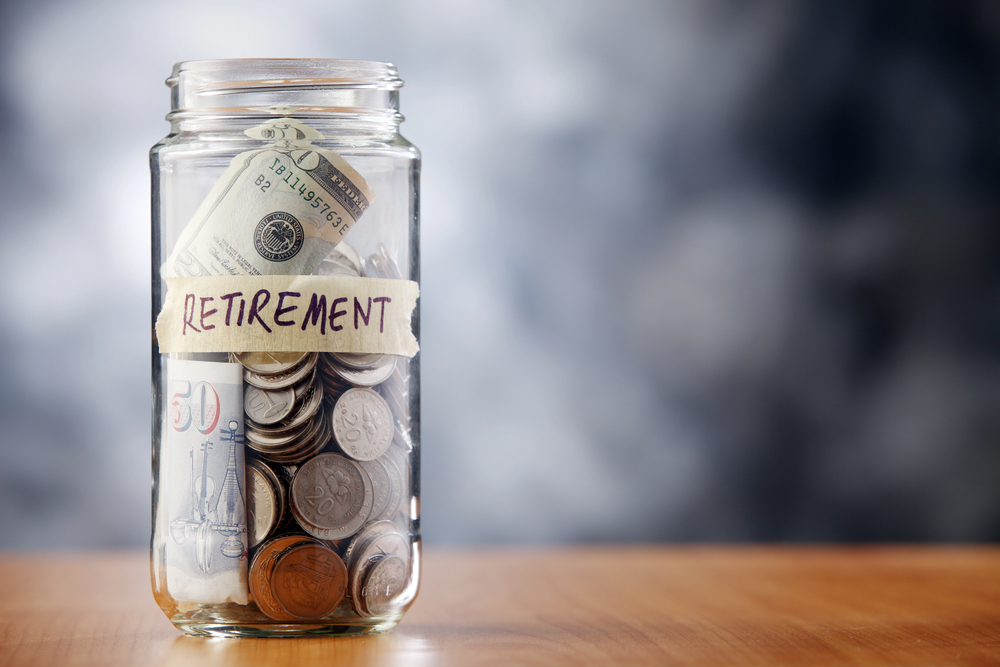
Where habits meet freedom
Most folks think retiring early means a windfall lands in their lap. Truth is, it grows from daily choices few enjoy making.
Small moves stick when repeated, building quietly year after year. Begin in your twenties, sure, yet even late starters shift outcomes simply by showing up.
What feels odd today becomes normal through doing. Practice makes these habits simpler, since they fit a life free from required jobs.
Success among early retirees always includes some form of these routines. Either start using them today or stick to the usual route – retiring around age sixty-five.
Nothing hidden here, just steady effort; most refuse to keep up.

More from Home As We Make It
- 18 Affordable Places to Retire in the U.S.
- Antique Glassware That’s Worth Collecting
- Stay-At-Home Jobs That Actually Pay
- 18 Forgotten Snacks from the ’80s and ’90s
- 20 Things That Make a House Look Cleaner Than It Is
Like Home As We Make It‘s content? Follow us on MSN.