Robin Greenfield tells PEOPLE he once chased financial success before realizing he wanted to “live more simply and sustainably”
NEED TO KNOW
- A winter tour of Robin Greenfield’s tiny, uninsulated Wisconsin home captured widespread attention online
- He says his simple lifestyle began after realizing his former goals conflicted with his environmental values
- Greenfield now hopes viewers will reflect on what truly brings meaning and connection in their own lives
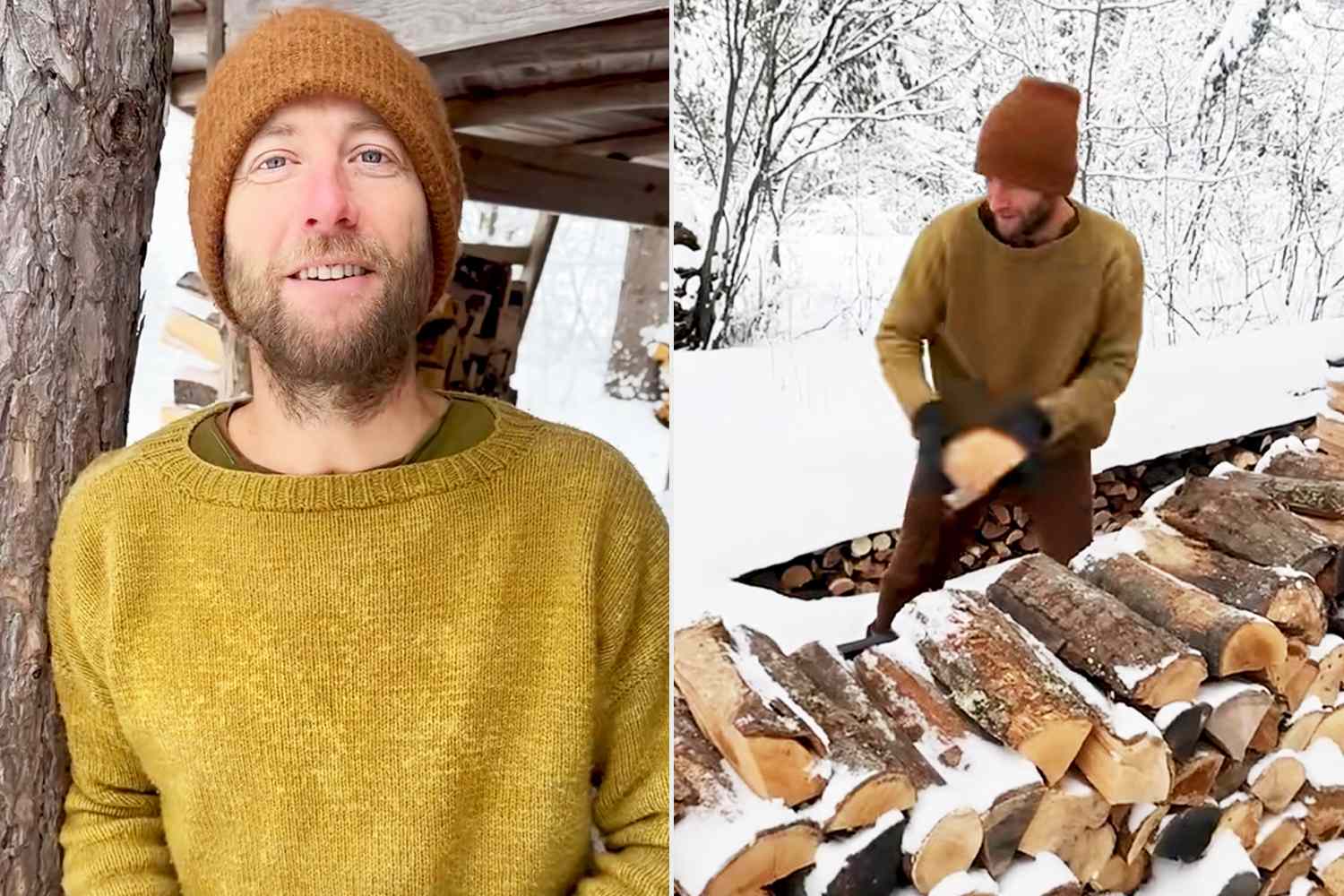
On a freezing winter morning in northern Wisconsin, Robin Greenfield wakes up in a tiny home with no insulation, no running water and no electricity, warming his bed with heated stones and layering wool blankets to face the day.
After sharing a quiet tour of that routine on TikTok, the sustainability advocate suddenly found millions of viewers peering into a life built around simplicity and survival. “I was very happy that that message reached people and provided some inspiration and education,” Greenfield tells PEOPLE.
For Greenfield, attention on social media is not entirely new. He explains he has spent more than a decade using platforms to spread ideas about environmental responsibility and intentional living.
Still, the recent response to his winter video struck a chord because it introduced many viewers to a lifestyle far outside their daily reality. He says his goal is to encourage people to question assumptions about comfort, consumption and what truly leads to happiness.
That journey began long before he built his tiny home. In 2011, he was living what he describes as a typical American life, focused heavily on wealth and material success.
“At 25, I had a goal of being a millionaire by the time I was 30,” he says, recalling how documentaries and books shifted his perspective. Learning about environmental harm led him to feel his actions were out of alignment with his beliefs, pushing him to gradually redesign his life.
He began by committing to a long list of changes, tackling one positive adjustment each week for two years. Over time, those decisions reshaped not only his daily habits but his broader purpose.
Now, life in his uninsulated home demands constant effort, especially during Wisconsin’s brutal winters. From chopping firewood to harvesting and preparing food, Greenfield says even the basics take time but also provide a sense of meaning.
“The way that I look at it is that a quality existence takes time,” he explains. While modern conveniences promise comfort, he believes they can also lead to loneliness and disconnection from the natural world.
One of his most ambitious challenges has been foraging 100 percent of his food and medicine for a full year. More than five months into the experiment, he says the experience has become surprisingly normal.
“What’s honestly surprised me is how well it’s going and how much it’s absolutely flowing,” Greenfield says, adding that he rarely thinks about grocery stores anymore. The biggest hurdle, he notes, is balancing the time required to gather and process food with his other commitments.
The viral reaction to his video has been mixed but meaningful. Messages from viewers who say the clip made them rethink their routines or question societal norms are the ones that stay with him most.
“That’s my job, is to create critical thought and self-reflection,” he says. He finds encouragement when people feel inspired to reconsider how they meet their needs and what they prioritize in their lives.
At the same time, Greenfield acknowledges skepticism. Some viewers struggle to believe his lifestyle is real, a response he says reflects broader distrust in public figures and institutions.
He also believes many misunderstand the idea of “demonetizing” his life. Rather than eliminating money entirely, he focuses on replacing financial transactions with skills, relationships and community support.
“It’s basically looking at every single way that I’m spending money to meet my needs and building the skills or relationships to accomplish those objectives,” he explains. The trade-off, he says, is time, but he feels the rewards include deeper connections and purpose.
Never miss a story — sign up for PEOPLE's free daily newsletter to stay up-to-date on the best of what PEOPLE has to offer, from celebrity news to compelling human interest stories.
Despite the challenges, he hopes viewers see his story not as a call to abandon modern life but as an invitation to reflect. He encourages people to identify small, meaningful changes that align with their values.
“For some that might be growing some of their own food, downsizing, composting or volunteering,” Greenfield says. Ultimately, he believes simplicity looks different for everyone.
As interest in his tiny home continues to grow, he remains focused on the long road ahead. Greenfield says he plans to keep sharing his journey for decades, hoping each glimpse into his unconventional routine sparks new conversations about what it means to live well.
Read the original article on People