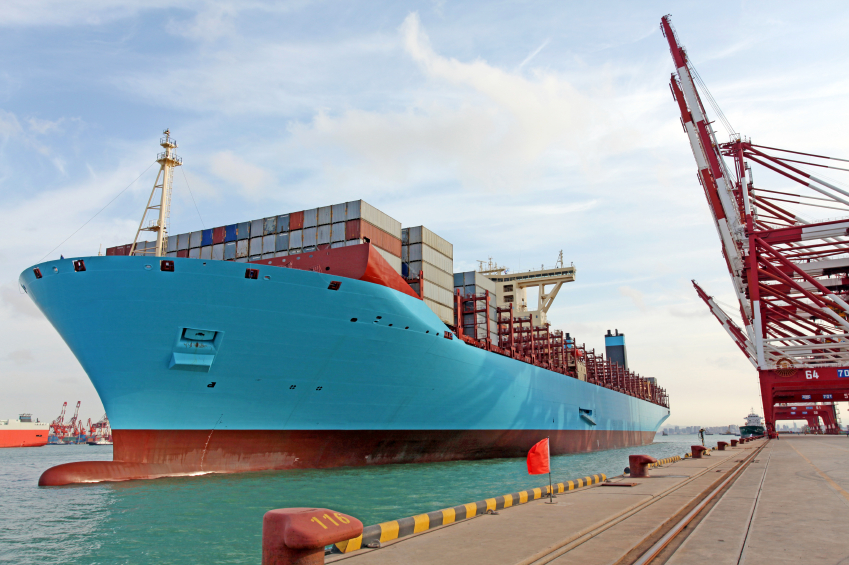
The Trump administration announced a 60-day waiver of America’s domestic shipping law, called the Jones Act. That law provides that only ships licensed and built in the U.S. can move cargo in America’s home markets. Waiving the Jones Act would allow ships licensed and built outside the United States (including by China) to take work away from Americans in our home markets. It could harm the tens of thousands of American workers and cost tens of billions of dollars invested in America’s shipping and shipbuilding industries.
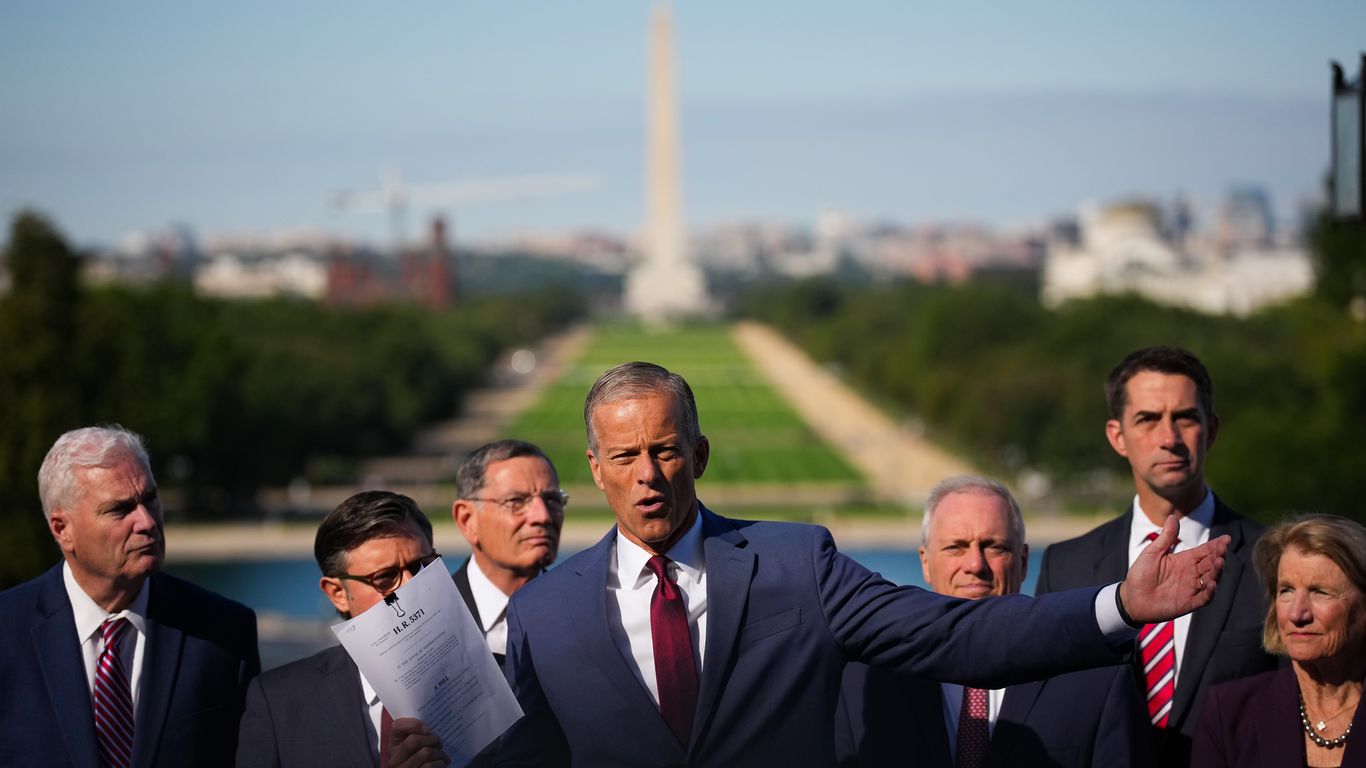
This action comes barely a month after the Trump administration unveiled an ambitious Maritime Action Plan (MAP). That plan matches well with the proposed SHIPS For America Act, which enjoys strong bipartisan support in both houses of Congress. The intention of both is to stop the decline in America’s commercial shipping and shipbuilding industries and provide a foundation for growth. Simply put, suspending the Jones Act cannot be easily reconciled with the intentions of these policymakers.
The core reason Washington is revisiting the maritime sector is the realization that long-standing U.S. policies have left America with a massive maritime deficit compared to its principal geopolitical rival, the People’s Republic of China. This was not on the radar when America last reconsidered its maritime policies in the 1990s. America then was the world’s only superpower and did not see commercial shipping and shipbuilding as strategically important industries. But that deficit has ballooned over the past decade in ways that increase risks to America’s military and economic security.
Today, China’s shipbuilding dominance enables it to deliver three ships to its navy for every one ship delivered to the U.S. Navy. Its massive commercial fleet and involvement in more than 100 foreign ports give China the power to intentionally shut down the maritime supply chains that collapsed during the COVID-19 pandemic.
Experts agree something must change to reduce those risks. The United States needs to grow its shipping and shipbuilding capabilities and increase maritime collaboration with its allies. The fact that the MAP and the SHIPS Act are so closely aligned suggests a realistic path forward.
Given this shared direction, how should we interpret the administration’s recent decision to waive the Jones Act? Almost no one believes it will have a material effect on gas or energy prices. Ocean shipping costs, even in domestic markets, account for only a tiny fraction of the price of gasoline. Even if consumers save a penny or two per gallon, those savings would result primarily from replacing American mariners with lower-cost foreign crews for work performed in the U.S. This is an extraordinary departure from the President’s commitments to working-class Americans and contradictory to core America First policies, including those related to border security and tariffs.
This truth apparently stood little chance against the tidal wave of political pressure generated by the Iran war effects on energy prices. Having managed several waiver requests over a thirty-year career in America’s maritime industry, I have come to expect them whenever crises arrive that touch domestic maritime markets. Such requests are typically made by those who stand to profit from the waivers — often supported by ideological opponents of the Jones Act — and offer no real benefit to people affected by the crisis.
As the administration considers how to implement the current 60-day waiver, two elements should guide its approach.
First, it should follow the case-by-case process that has evolved to consider these requests. A blanket waiver would invite abuse and could very well have Chinese ships displacing American ships in our home markets.
Second, it should charge a fee for each waiver granted. The amount of the fee should roughly offset the economic advantages of using a foreign versus American ship, eliminating profiteering as an incentive for seeking a waiver. Taking these steps would ensure the Administration is both responding to any legitimate and urgent domestic shipping needs that cannot be met with American ships, while honoring its commitment to American workers and the American maritime industry.
Neither of these elements is included in the brief notice the administration just issued to implement the waiver. The administration should amend the notice to incorporate them.
Finally, government officials who are tasked to decide Jones Act waiver requests often come to understand the maritime industry at a granular level and make decisions based on the facts. The same cannot be said of many pundits whose ideological opposition to the Jones Act clouds their judgment. I must confess that I was inclined toward the pundits’ viewpoint before joining the industry in 1991 and spending three decades learning and doing American shipping in Washington and as a senior executive in Jacksonville, Florida.
HILLARY CLINTON 2028? IT'S NOT AS CRAZY AS YOU THINK
I know America’s commercial shipping and shipbuilding industries to be tough, competitive businesses that operate under American rules and with American costs, just like every other business in the country. They put customers and employees first or they do not survive. Many falsehoods have been perpetuated in anti-Jones Act echo chambers, but they do not stand up to scrutiny.
Restoring America’s shipping and shipbuilding industries has been extensively studied and is on a credible path to success thanks to the Trump administration’s initiative and key congressional leaders. Conscientious implementation will help keep the pending Jones Act waiver is a minor detour from that path and not a derailment.
Michael Roberts, a Senior Fellow with the Hudson Institute, was previously General Counsel of Crowley Maritime Corp. and President of the American Maritime Partnership.