As Mars Missions Near, Experts Warn We Must Understand How Humans Reproduce Beyond Earth
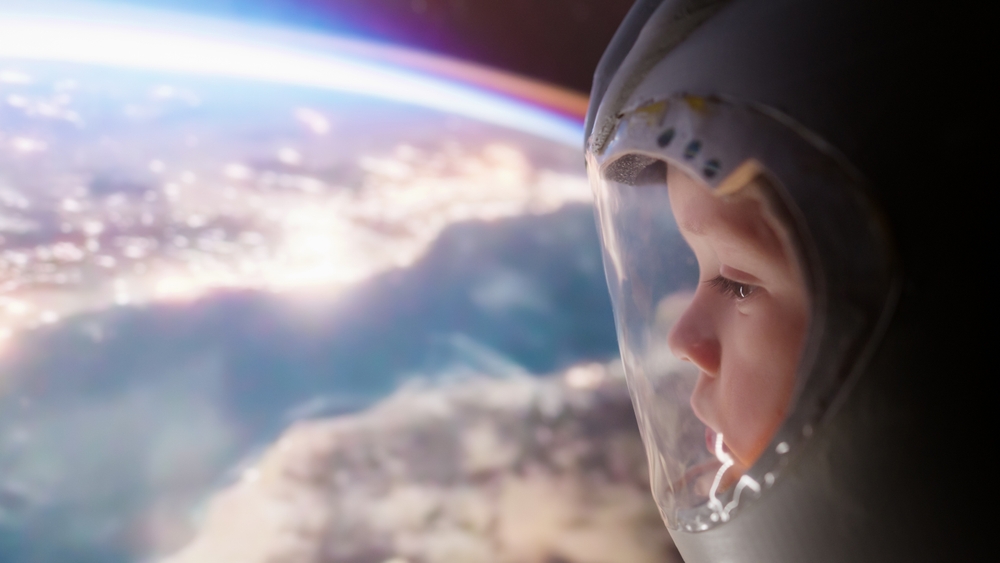
Plans for long-duration missions to the Moon and Mars are accelerating, but one question still sits largely unanswered. If humans are going to live beyond Earth for years at a time, scientists say we need to understand whether reproduction is even possible in space. Researchers warn that biology shaped by gravity, radiation shielding, and Earth’s rhythms may not translate safely beyond the planet.
A Question Spaceflight Has Avoided
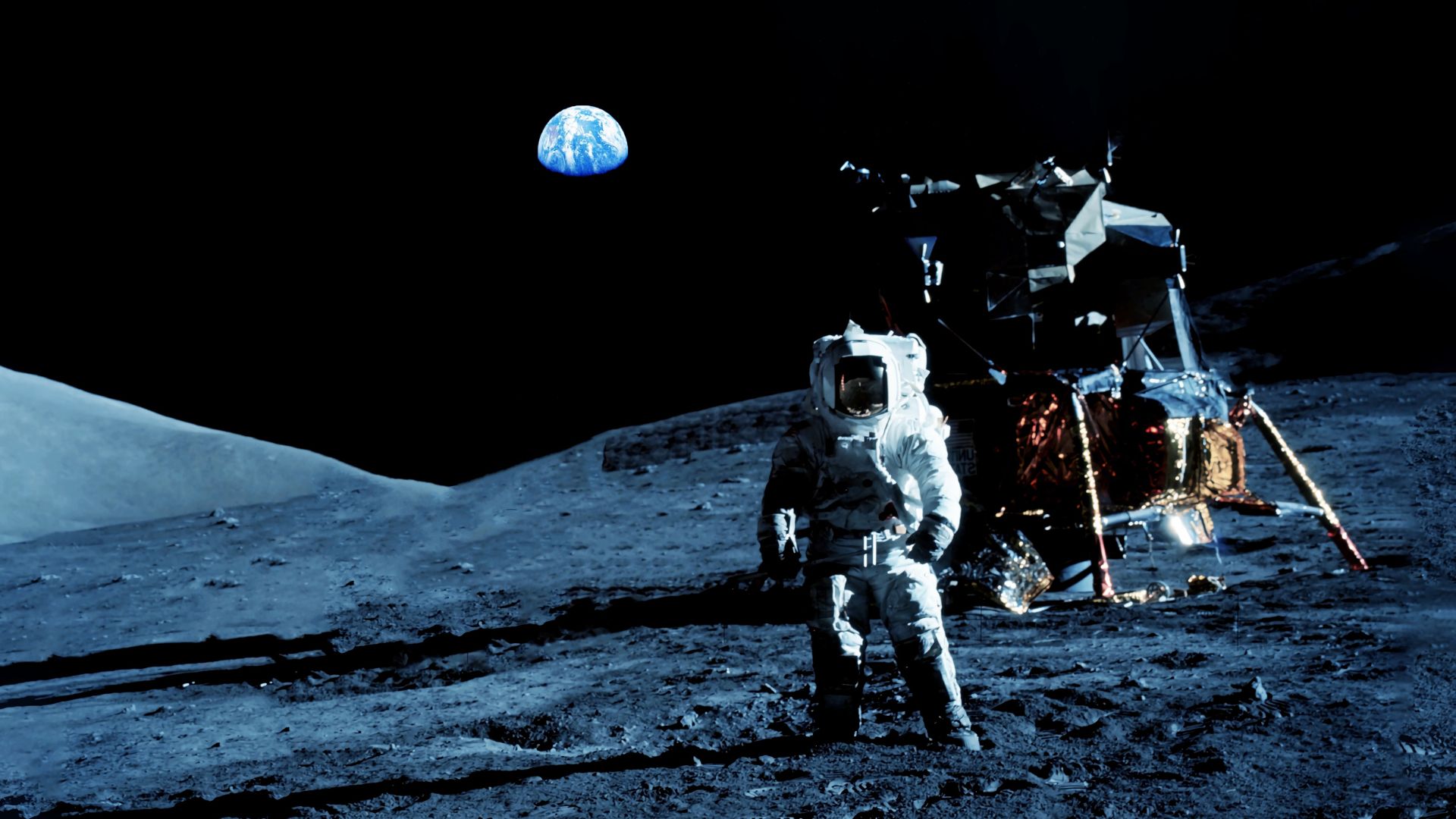
For decades, space agencies focused on survival, engineering, and short-term health, not reproduction. Writing for BBC Science Focus, science editor Noa Leach noted that despite more than 65 years of human spaceflight, reproduction in space has never been attempted or ethically approved. As missions stretch from months to years, that omission is becoming harder to ignore.
Why Mars Changes the Equation
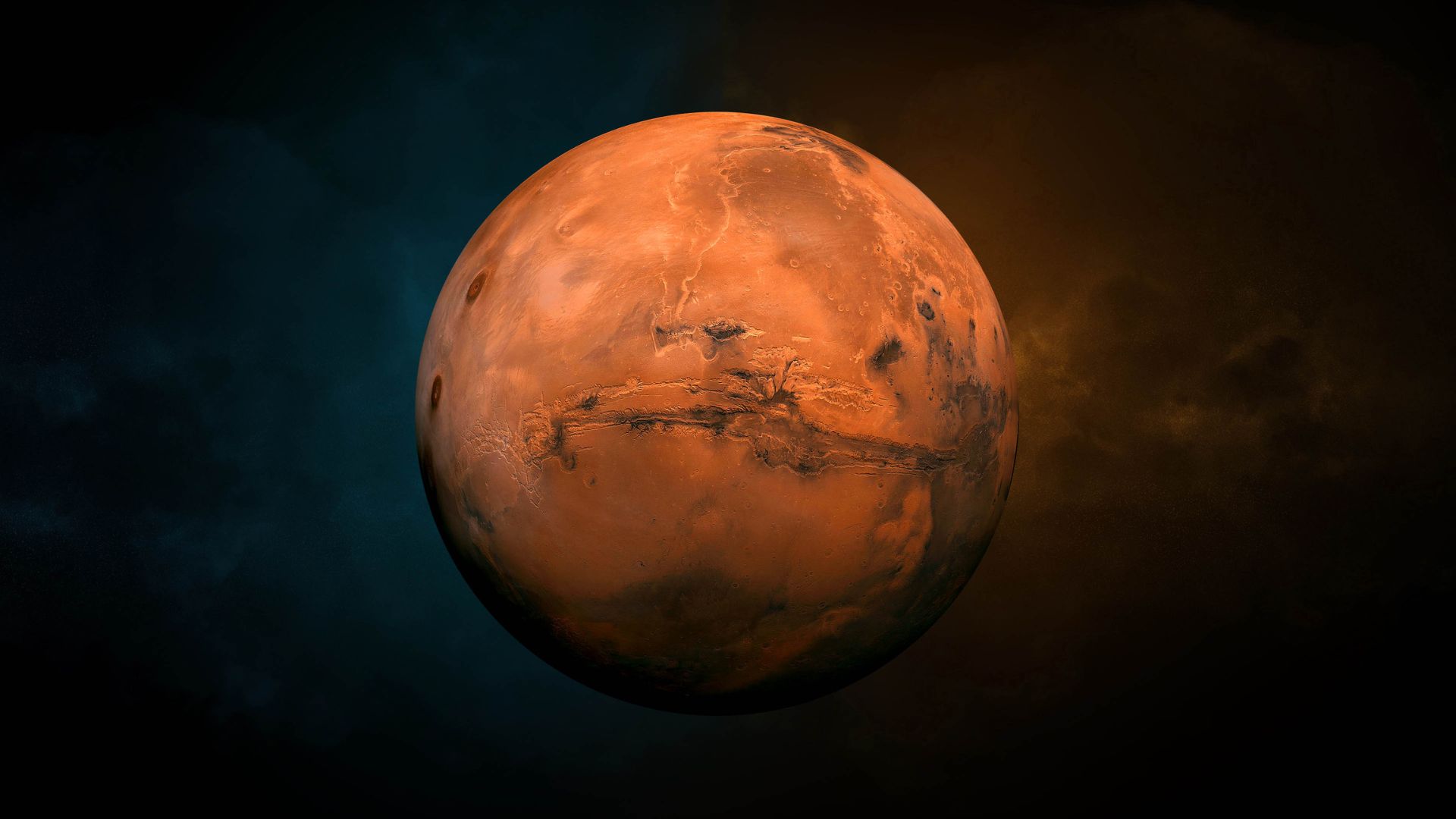
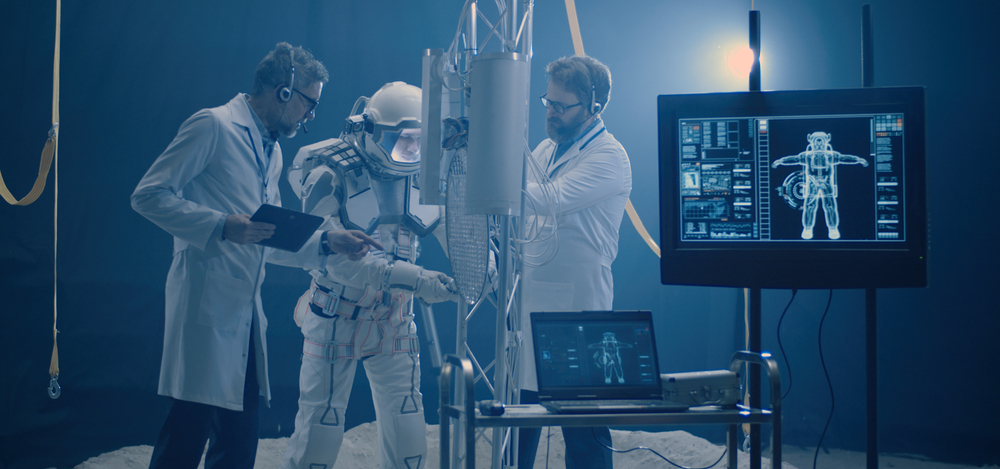
A round trip to Mars could take close to two years, long enough for conception, pregnancy, and birth. In an explainer for ScienceAlert, computational biologist Arun Vivian Holden wrote that interplanetary missions introduce risks unlike anything experienced in low Earth orbit. The longer people spend outside Earth’s protective magnetic field, the more exposure they face to radiation that can damage DNA.

Radiation Is the Biggest Threat
Cosmic radiation is considered the most serious obstacle to space pregnancy. Holden explained that high-energy particles can strike individual cells and cause mutations, especially dangerous during the earliest stages of embryo development. A single direct hit could end a pregnancy before it is even detected, while repeated exposure later could increase the risk of premature birth or developmental damage.
Microgravity Disrupts the Body
Gravity also plays a role in reproduction that scientists are still untangling. Writing for IFLScience, Benjamin Taub reported that processes like sperm production, embryo implantation, and fetal development may rely more on gravity than previously understood. Animal studies suggest microgravity can alter gene expression and disrupt early development, but comparable human data does not yet exist.
Lessons From Animal Experiments
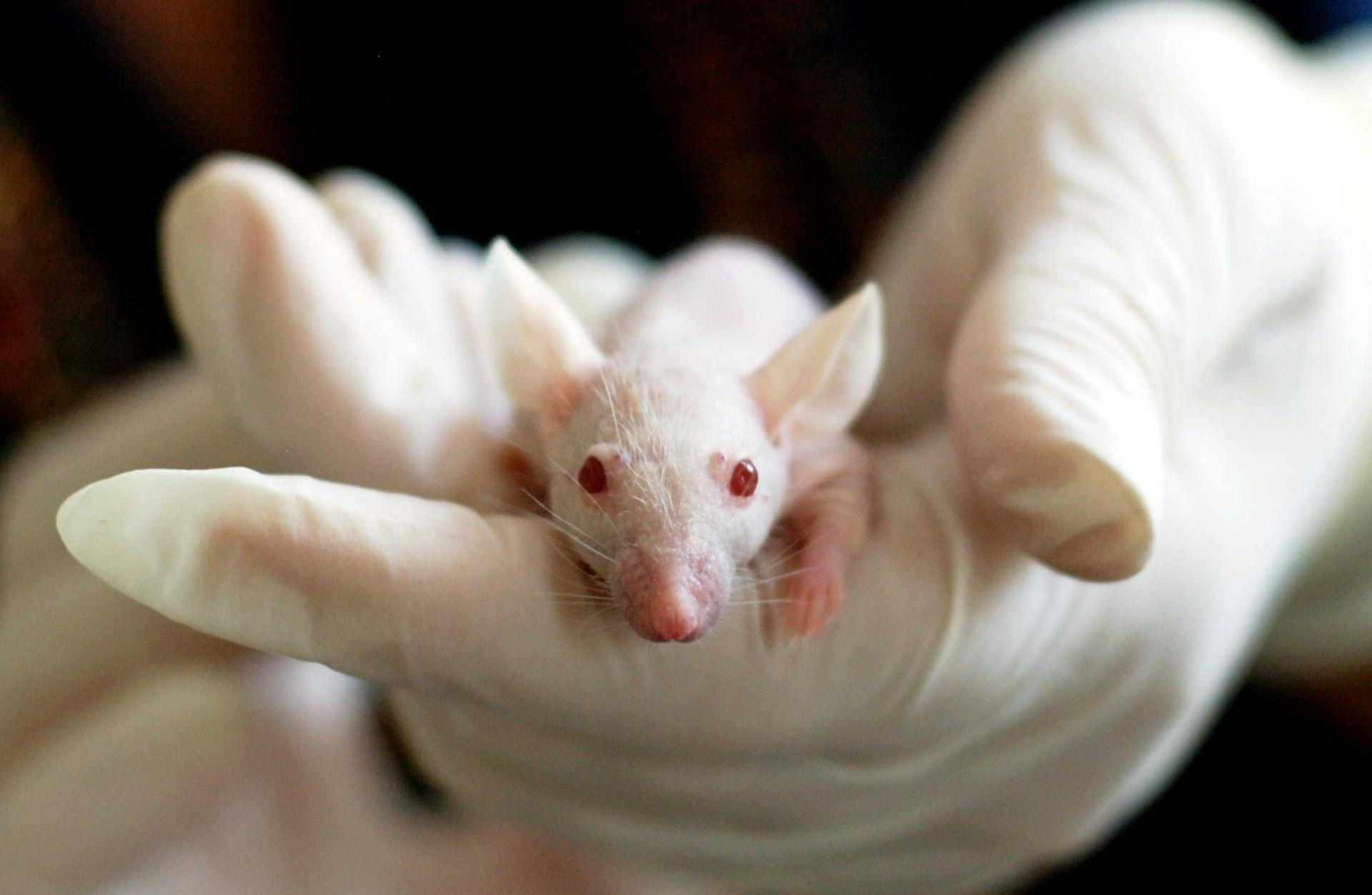
Much of what scientists know comes from experiments on mice, rats, and fish. According to BBC Science Focus, rodent embryos have survived and even been born after time in space, but these results do not guarantee safety for humans. Researchers caution that animals develop differently and are exposed to far shorter missions than those planned for Mars.
The First Space Gynecologist Weighs In
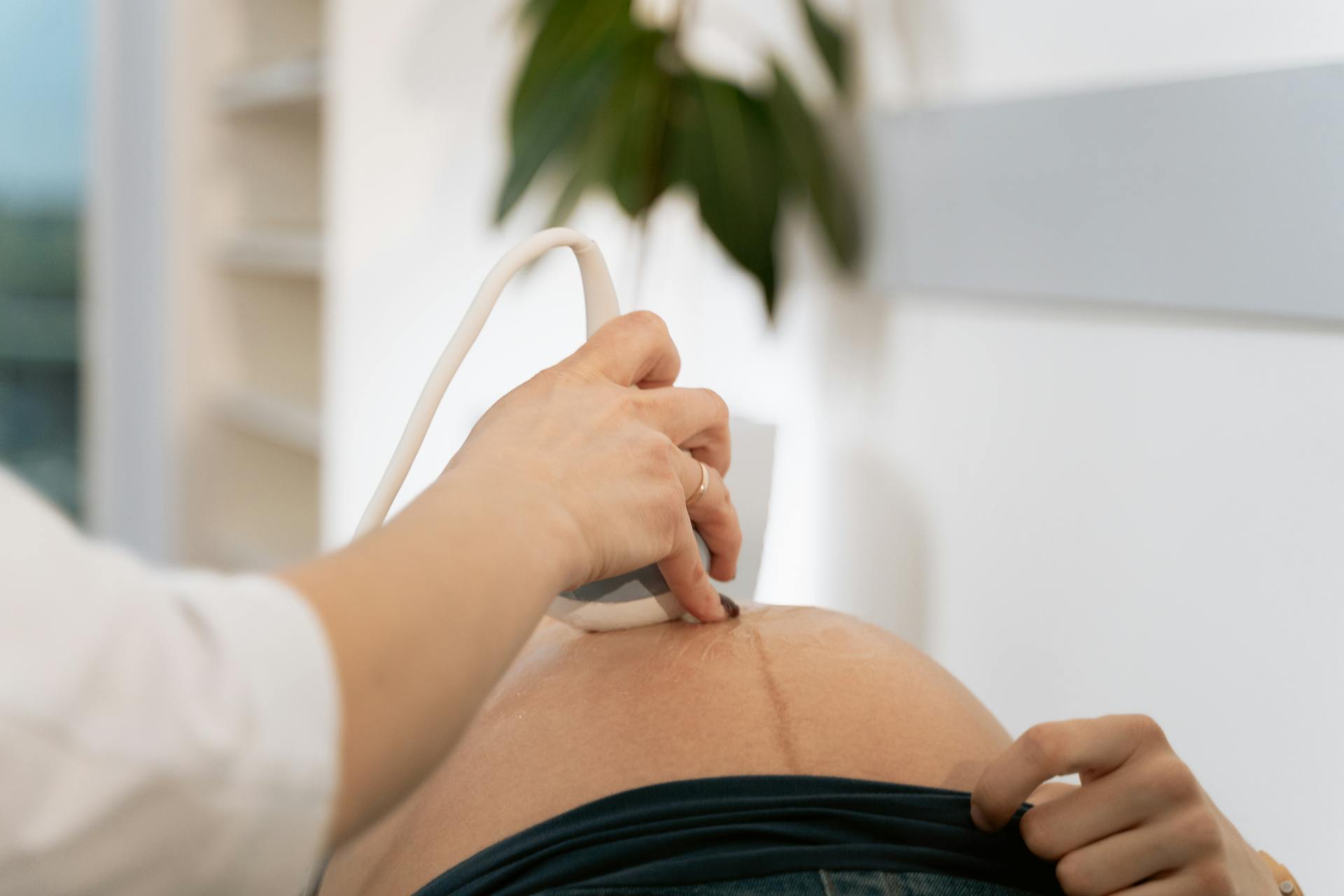
Dr. Varsha Jain, a gynecologist at the University of Edinburgh often described as the world’s first “space gynecologist,” told BBC that hormonal cycles appear largely unchanged in space. That means ovulation and menstruation still occur, making pregnancy theoretically possible. Jain emphasized, however, that pregnancy remains medically contraindicated because the risks to both mother and fetus are still unknown.
IVF and Artificial Wombs in Orbit
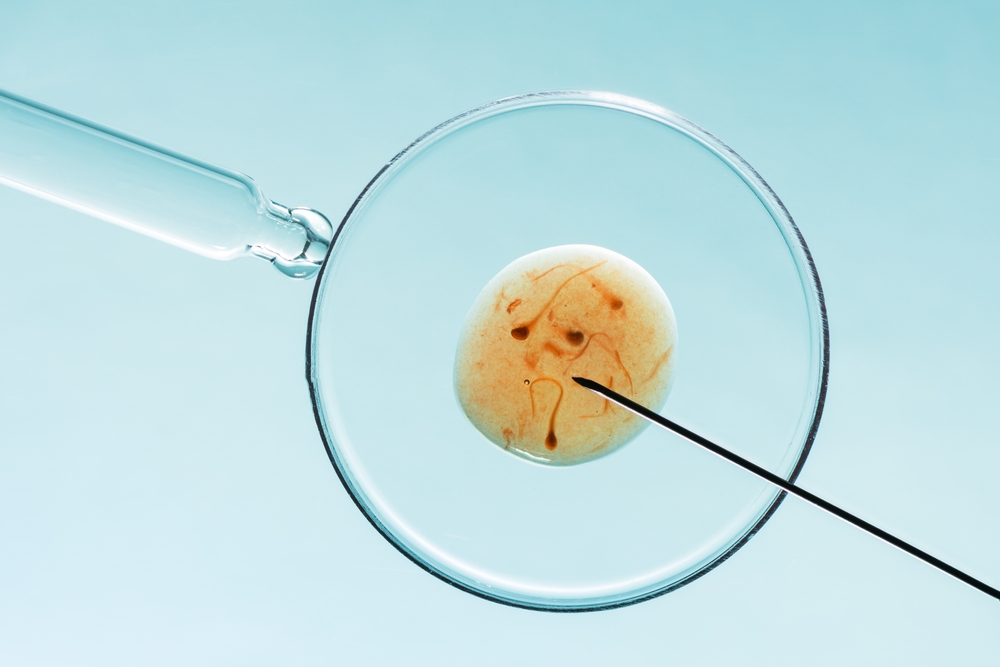
Some researchers believe assisted reproductive technology may offer safer first steps. BBC Science Focus reported on SpaceBorn United, a Dutch company developing miniature IVF and embryo incubators designed for microgravity. CEO Dr. Egbert Edelbroek said the goal is not to create a baby in space tomorrow, but to understand whether early embryo development can safely occur beyond Earth.
Ethics and the Risk of Moving Too Fast
A peer-reviewed report summarized by EurekAlert! warned that reproduction in space is shifting from science fiction to an urgent ethical concern. Clinical embryologist Giles Palmer said space is becoming a routine workplace, yet there are no international standards for handling pregnancy, fertility risks, or genetic screening beyond Earth. The authors stressed that ethical guidelines must come before irreversible harm, not after.
A Knowledge Gap With Real Consequences
In IFLScience, Taub quoted NASA research scientist Dr. Fathi Karouia, who said reproductive health can no longer remain a “policy blind spot” as human presence in space expands. Without research, scientists cannot predict whether children conceived off Earth could develop normally or face lifelong health challenges. As Mars missions approach, experts agree that understanding human reproduction beyond Earth is no longer optional, but essential to any vision of permanent space settlement.