Lyon vs Paris on $100 a Day: Which French City is Better for Food Lovers?
France has a way of making you rethink what you thought you knew about eating well. You land in Paris with all your expectations lined up — the baguettes, the bistros, the Seine — and Paris delivers.
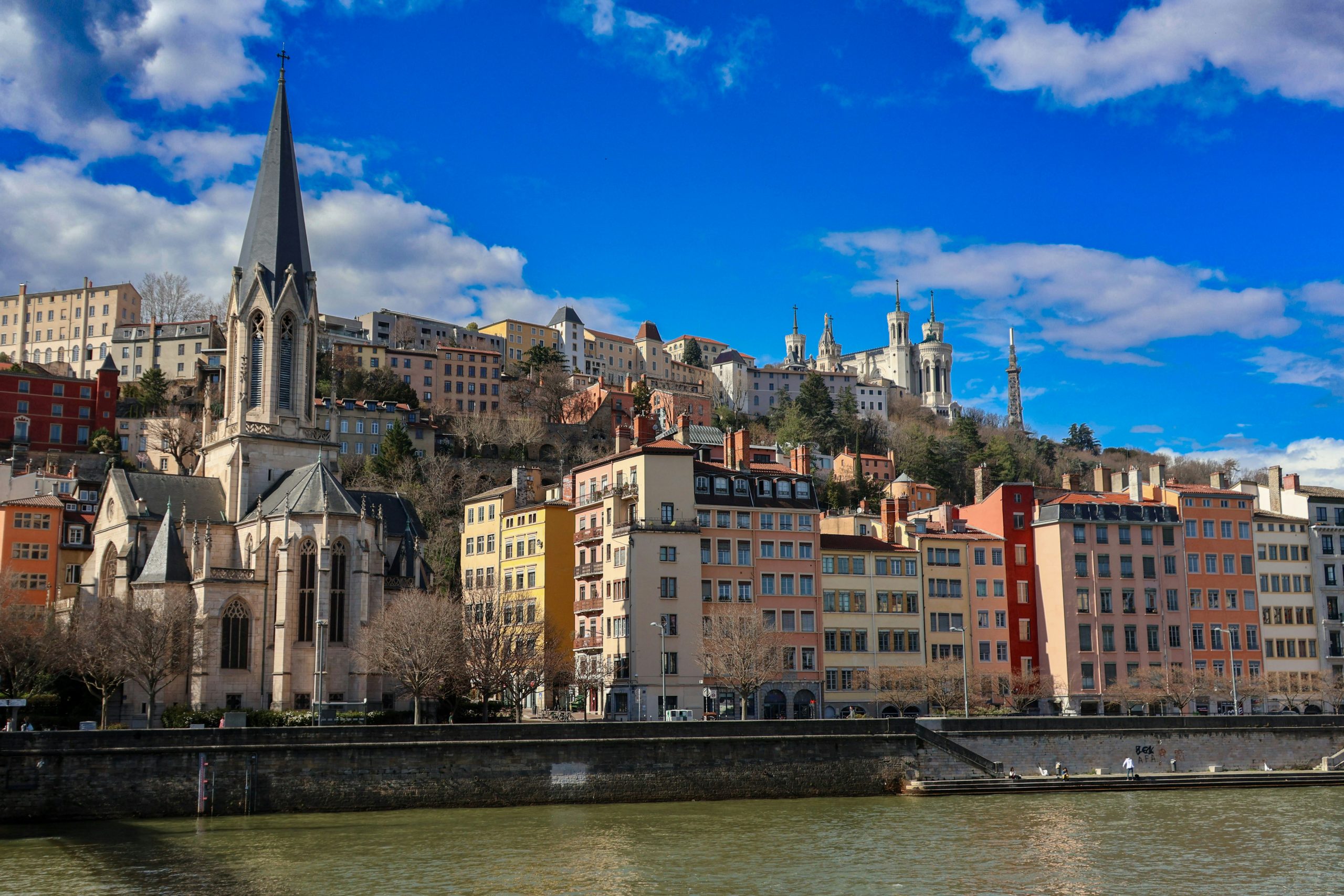
But spend a few days in Lyon, and something shifts. The food there feels different.
Less performed, more lived-in. And the price tags on the menus tell a story too.
If you’re traveling on a $100-a-day budget and food is the reason you’re going, this comparison matters. Both cities can feed you beautifully, but they do it in very different ways.

What $100 a Day Actually Gets You
First, some clarity on the budget. In France, $100 a day for a solo traveler covers meals and food-related experiences — a sit-down lunch, a casual dinner, some market snacking, maybe a glass of wine in the afternoon.
It doesn’t stretch to Michelin-starred tasting menus every night in either city, but it goes further in one than the other. In Paris, $100 spent on food can feel tight depending on the neighborhood.
A decent restaurant lunch in the Marais or Saint-Germain runs €18–€25 easily. A glass of wine adds another €7–€12.
Dinner at a mid-range bistro pushes €30–€45 per person. By the time you’ve had breakfast, lunch, dinner, and a snack, you’re right at the edge of your limit — and you haven’t done anything fancy.
In Lyon, the same $100 feels looser. Lunch at a proper bouchon — Lyon’s iconic neighborhood restaurant — costs €15–€22 for a full two-course meal with a carafe of Beaujolais.
Dinner is similarly priced. You walk away full, not just fed.
The Bouchon Question
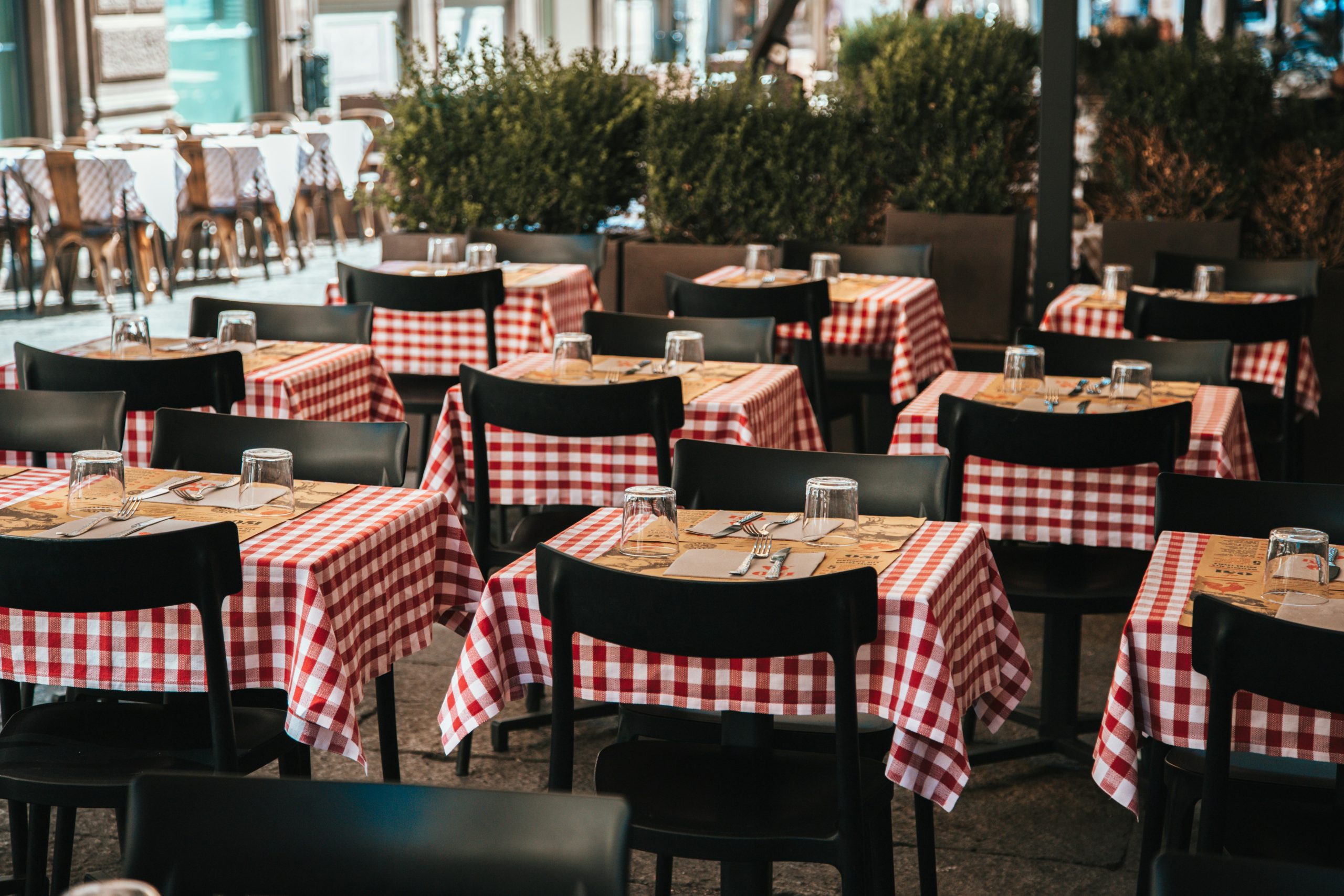
Lyon’s bouchons are the whole argument for the city among food lovers. These are small, traditionally decorated restaurants that have been serving the same style of food for generations.
The menus are short. The cooking is direct.
There is nothing trendy about them, and that’s the point. A classic bouchon lunch involves a spread of starters — lentil salad, sausage, maybe a pot of rillettes — followed by a main dish like quenelles de brochet (pike dumplings in cream sauce) or tablier de sapeur (fried tripe).
It sounds heavy, and it is. But it’s the kind of heavy that makes sense after a morning walking Lyon’s Presqu’île.
Paris has bistros that operate on a similar principle — honest food, reasonable prices, proper cooking. But the best ones fill up fast, require reservations, and have quietly raised their prices in recent years.
Lyon’s bouchons are easier to walk into, more consistent with pricing, and frankly less self-conscious about what they are.
The Market Advantage
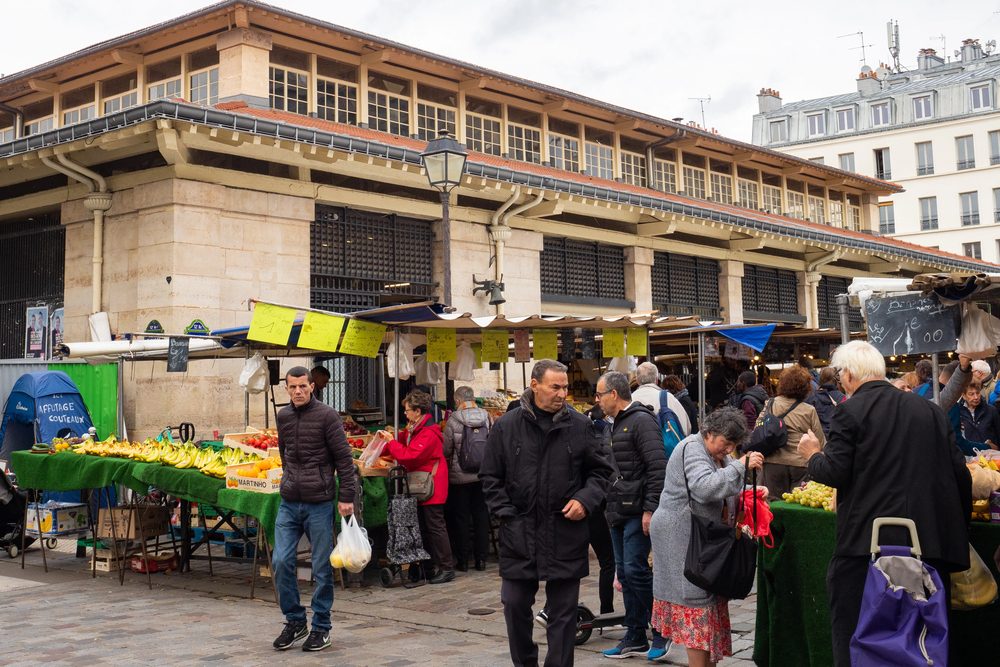
Both cities have extraordinary food markets. Paris has the Marché d’Aligre, the Marché des Enfants Rouges, and countless small street markets scattered across arrondissements. Lyon has Les Halles Paul Bocuse.
Les Halles is indoor, yes, which takes some of the outdoor charm away. But the quality and concentration of food vendors under one roof is hard to match.
You’ll find Mère Richard’s legendary cheese counter, traiteurs selling prepared dishes by weight, charcutiers with entire counters dedicated to saucisson and ham, and fishmongers with displays so precise they look assembled rather than caught. At Les Halles, you can put together a proper picnic lunch — cheese, cured meat, bread, and something sweet — for €10–€14.
That same quality spread in a Paris covered market runs €18–€25 without trying.
Cheese, and the Gap Between Cities
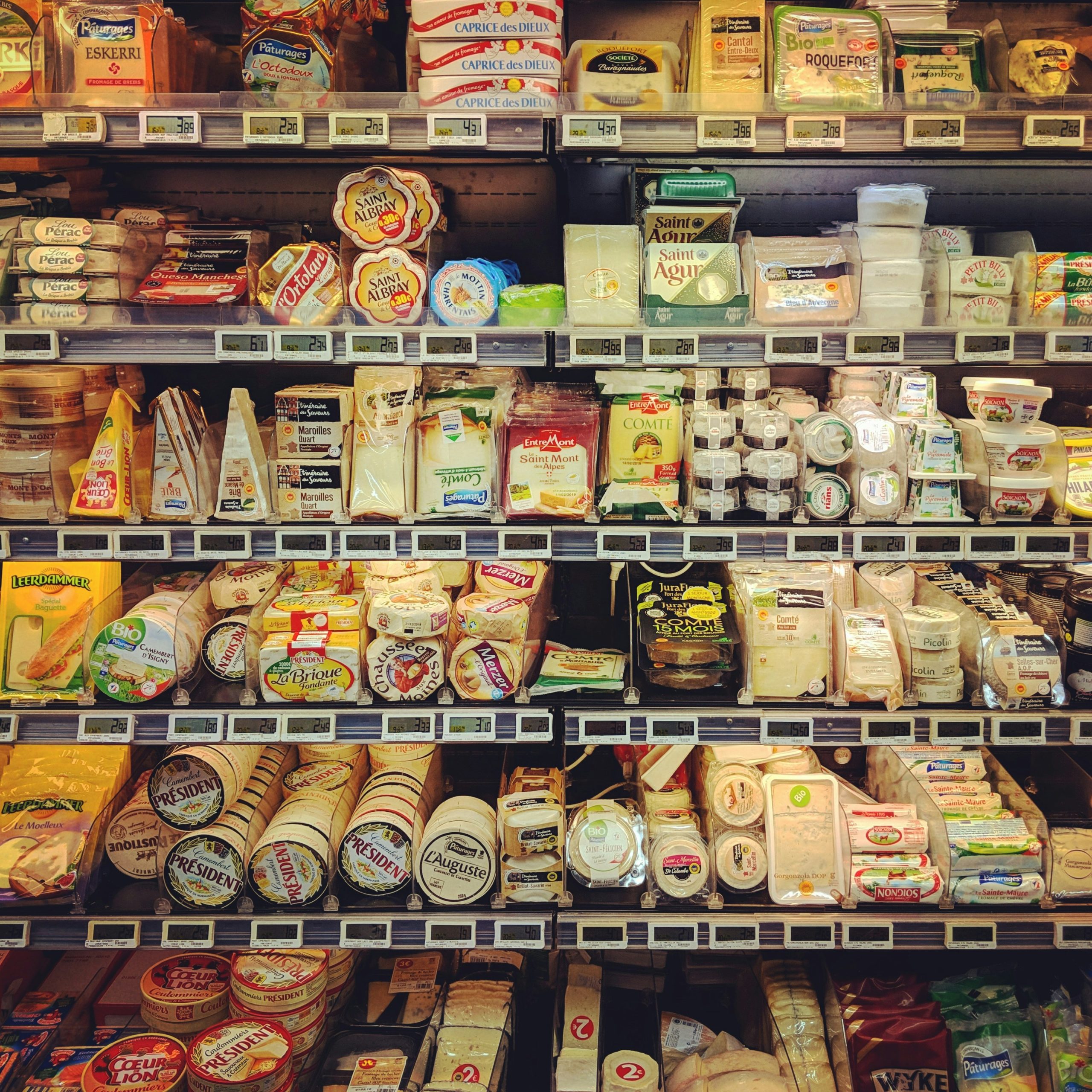
Lyon sits at the heart of cheese country in a way Paris doesn’t. This is partly logistics — Lyon is closer to the Alps, to the Auvergne, to regions where the serious French cheeses actually come from.
The St-Marcellin and St-Félicien you eat in Lyon have often traveled a short distance to reach you. The same cheeses in Paris have usually traveled farther, and it shows in the texture.
A cheese plate at a bouchon in Lyon — three to four selections with bread — costs around €8–€10. It’s not a formality, it’s a feature. In Paris, a comparable cheese course at a comparable restaurant adds €12–€16 to the bill, and sometimes the cheeses are less ripe.
Wine Without the Markup
Beaujolais and Côtes du Rhône are Lyon’s home wines in a practical sense. The Beaujolais villages sit just north of the city, and the Rhône Valley runs directly south.
Restaurants in Lyon pour these wines at prices that reflect proximity. A carafe of house Beaujolais at a bouchon costs €6–€9.
The same wine poured in a Paris bistro under a different label — often from the same producer — costs €12–€18. Paris isn’t doing anything wrong here.
It’s just that distance adds cost, and Lyon doesn’t have that distance. The wine selection at Lyon restaurants also skews local in a way that feels natural rather than gimmicky.
You’re not drinking Beaujolais because the menu says you should. You’re drinking it because that’s what the people around you are drinking.
Street Food and Snacking
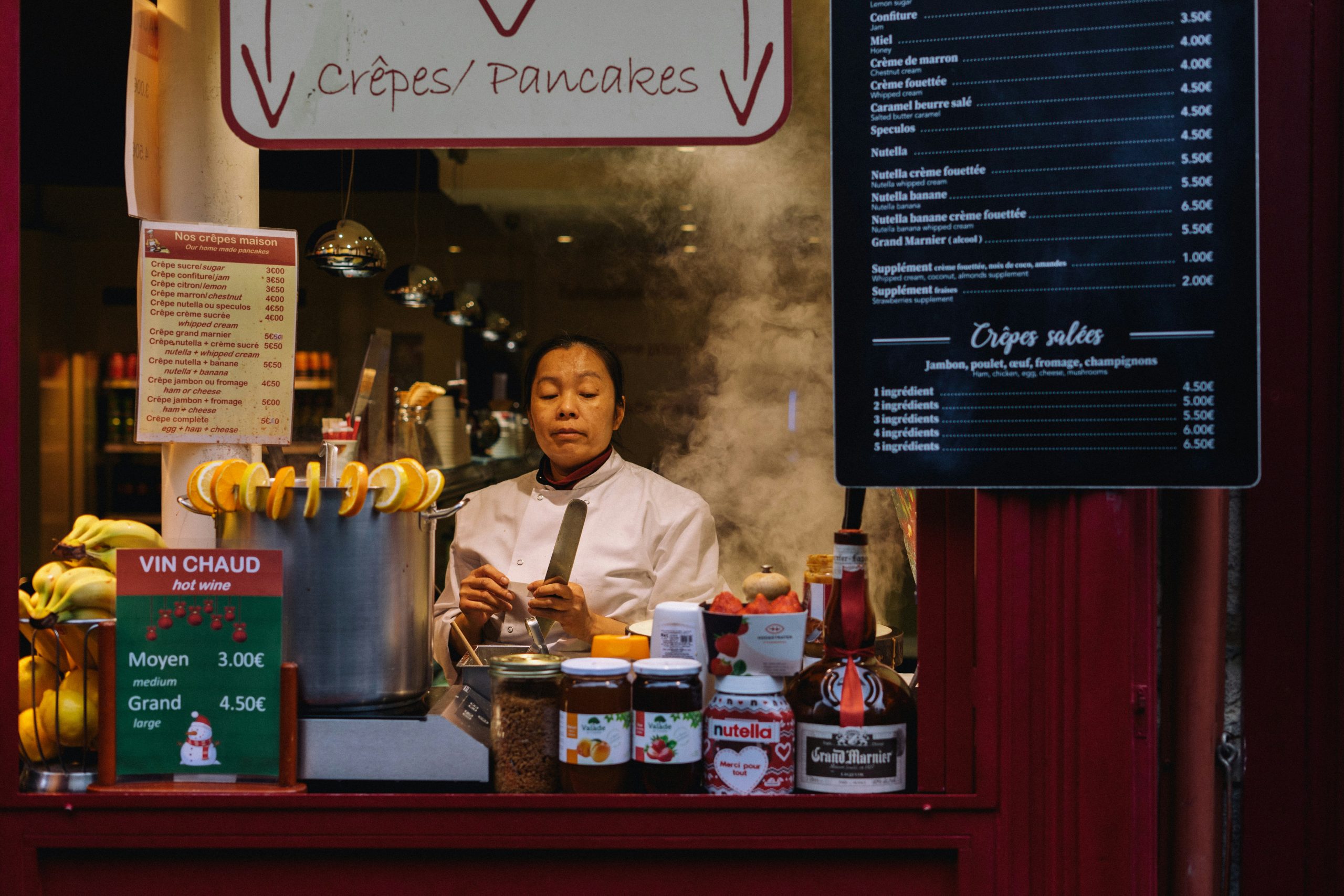
Paris wins this round, plainly. The density of bakeries, crêpe stands, sandwich counters, and casual street food options in Paris is hard to compete with.
You can eat well and cheaply in Paris without ever sitting down — a good baguette sandwich from a boulangerie costs €4–€6, a crêpe from a street stand runs €2–€4, and the quality is almost never disappointing. Lyon’s snacking culture is thinner.
The city is built around sitting down to eat, not grabbing something as you walk. You’ll find praline brioche — a Lyon specialty, soft bread filled with pink sugar-coated almonds — at most boulangeries, and it’s worth stopping for.
But if you want variety in your casual eating, Paris gives you more options.
Breakfast Costs Less Than You Think
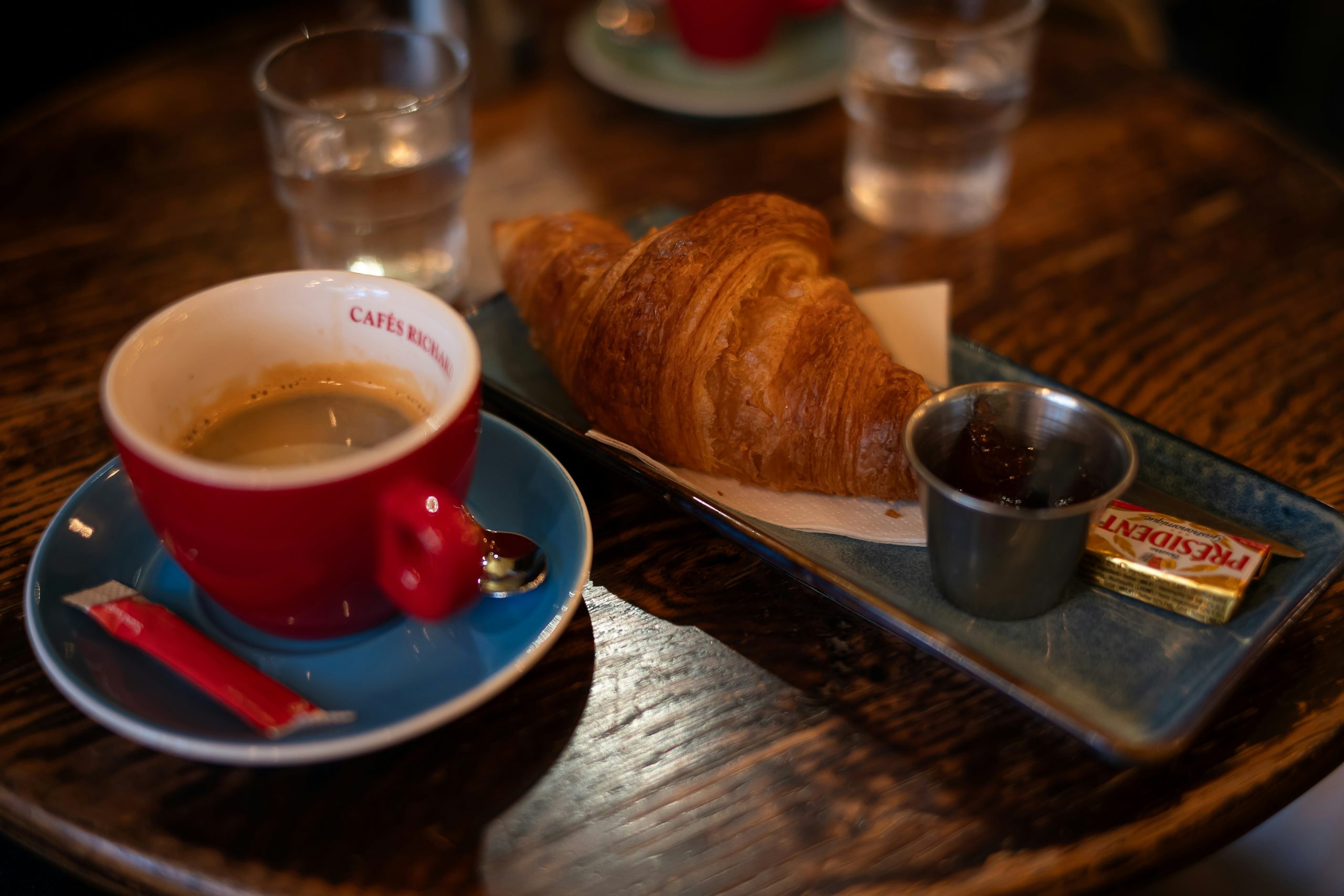
In both cities, breakfast is cheap if you follow the local routine. A coffee and a croissant eaten standing at a café bar costs €2.50–€4 across France.
Take a seat, and the price goes up. Parisian cafés in tourist areas charge €6–€10 for the same combination the moment you sit at a terrace table.
Lyon’s neighborhood cafés stick closer to the standing-bar price even when you sit, especially outside the central tourist zones. It’s a small difference per meal, but across a week it adds up.
The Mâchon Tradition
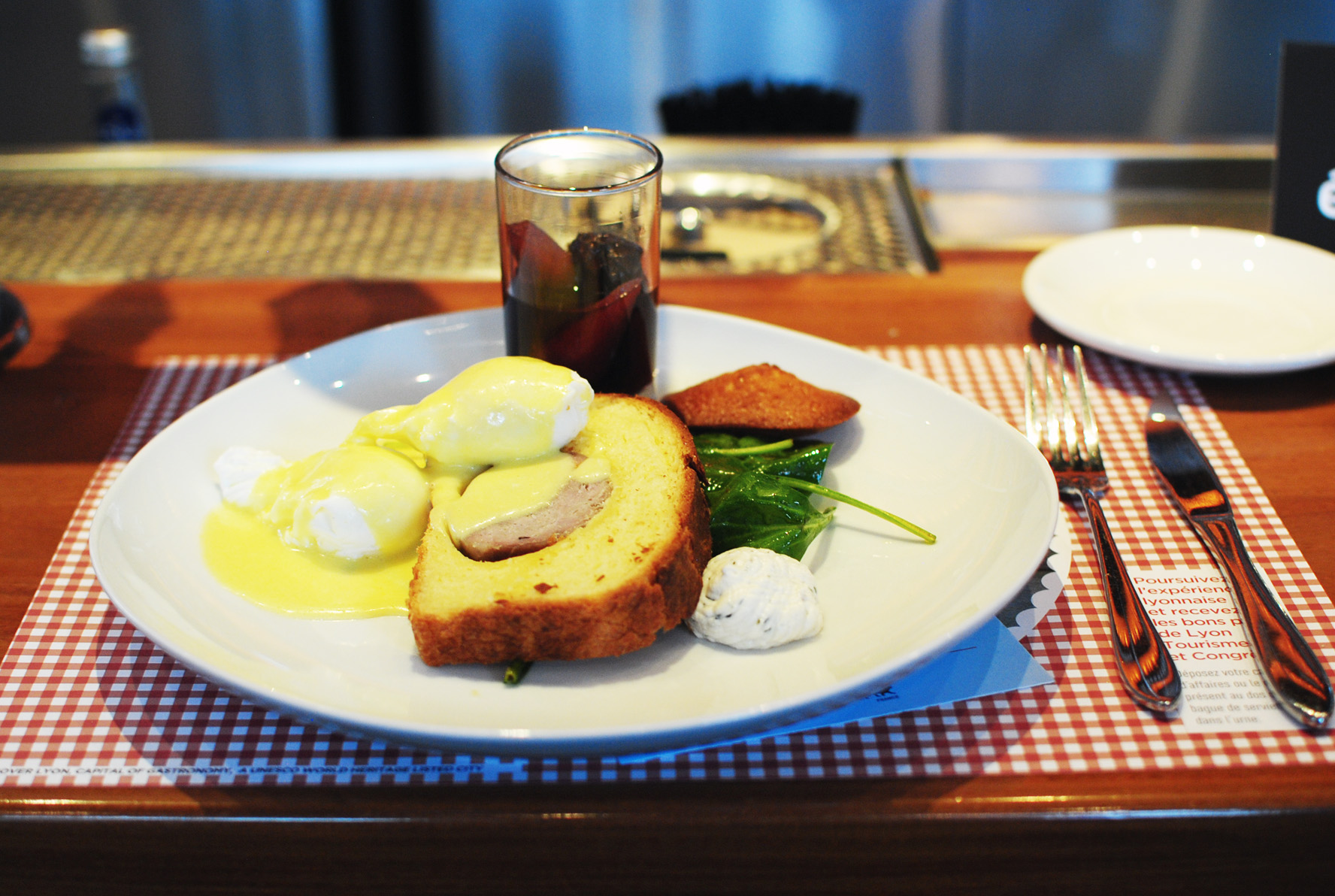
Lyon has a morning food tradition that most visitors never encounter because they arrive after it’s over. The mâchon is a traditional working-class breakfast eaten between 9 and 11am, originating with the city’s silk workers — the canuts — who needed a substantial meal before long hours at the loom.
A mâchon spread involves cured meats, eggs, cheese, and bread, often with a glass of Beaujolais or a small rosé to accompany. Some bouchons still serve it, though usually only on certain days or by arrangement.
When you find one, it costs €12–€18 and keeps you going until late afternoon. Paris has nothing equivalent. It’s a Lyon-specific tradition, and experiencing it feels like being handed access to a part of the city that most tourists walk straight past.
Cooking Classes and Food Experiences
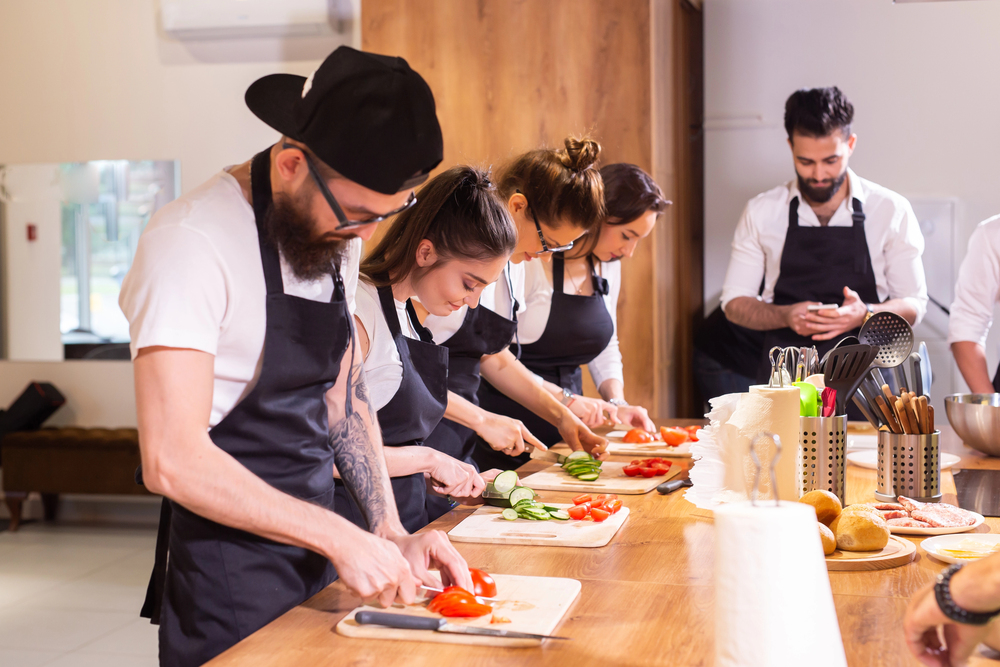
Both cities offer cooking classes, market tours, and food-focused experiences that can be added to a day without destroying a modest budget. The price difference is notable. In Paris, a half-day cooking class at a well-regarded school runs €80–€120 per person.
A guided market tour with tasting costs €45–€75. These are good experiences, but they use most of a day’s food budget on their own.
In Lyon, similar experiences come in lower. Half-day classes at local ateliers run €55–€85.
Market tours that include stops at Les Halles with guided tastings cost €35–€55. You can fit one of these into a $100 day and still eat two proper meals without much compromise.
The Michelin Question
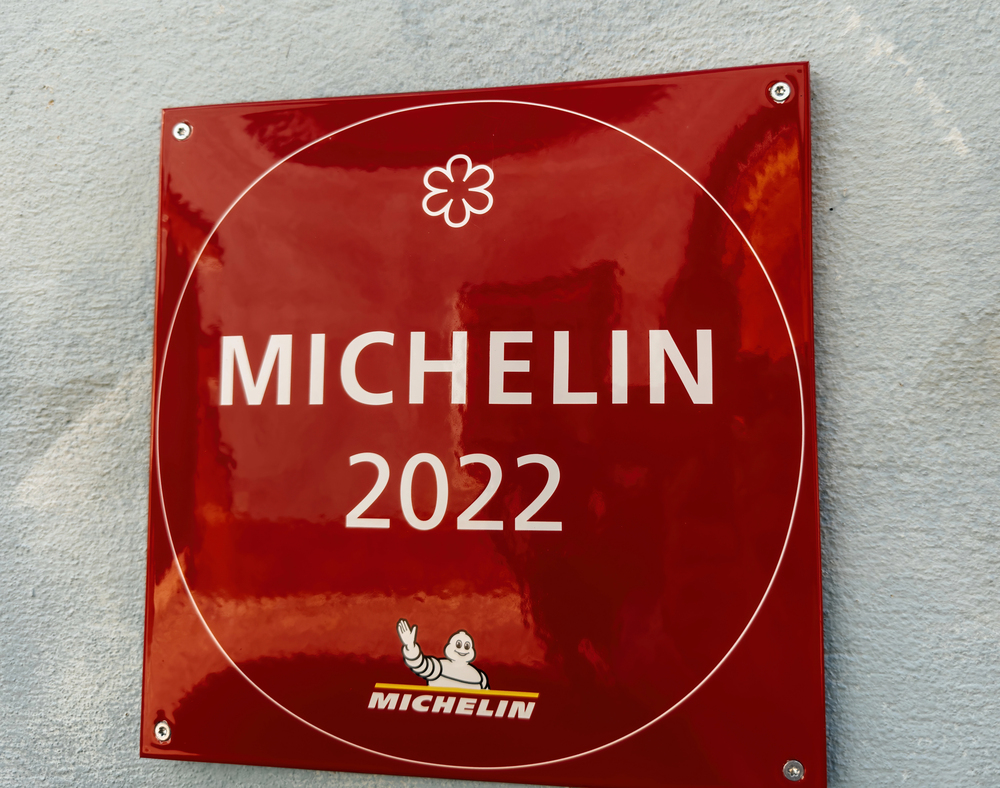
Lyon has the highest concentration of Michelin-starred restaurants per capita of any city in France. It has earned the title of gastronomic capital of the country, and the starred restaurants take that seriously.
But this doesn’t mean you need to spend big to eat at a high level. Many of Lyon’s starred or near-starred chefs also run cheaper annexes, lunch menus, or market-day specials that offer serious cooking at reasonable prices.
A lunch menu at a one-star restaurant in Lyon — three courses — runs €35–€55. The same category in Paris runs €55–€90. Paris has incredible fine dining, but the gap between aspirational and accessible is wider.
In Lyon, the city’s culinary ambition has filtered down into everyday eating in a way that’s hard to find elsewhere.
What the Neighborhoods Tell You
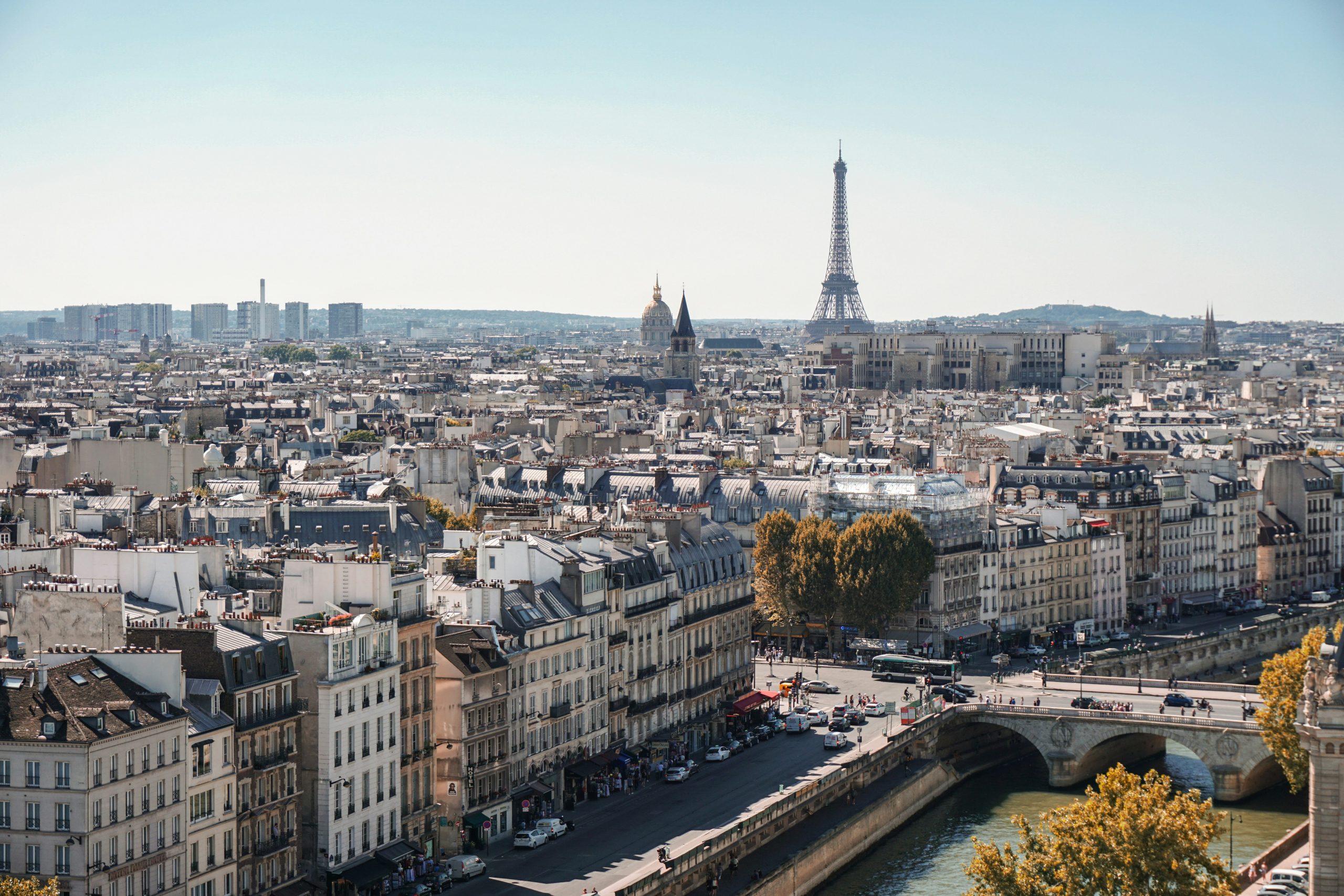
In Paris, the neighborhood you eat in determines what you pay as much as what you order. The same croque-monsieur costs more near the Eiffel Tower than it does in Belleville or the 13th arrondissement.
Eating well on a budget in Paris means knowing where to go and sometimes walking twenty minutes to get there. Lyon’s neighborhoods are more consistent.
The Croix-Rousse district, built on the old silk-weaving hill above the city, has a strong local food market every Tuesday and Saturday that draws residents rather than tourists. Prices reflect that.
The Presqu’île has more foot traffic and slightly higher prices, but the gap is smaller than you’d find between Paris arrondissements.
Pastry, and Where Lyon Surprises
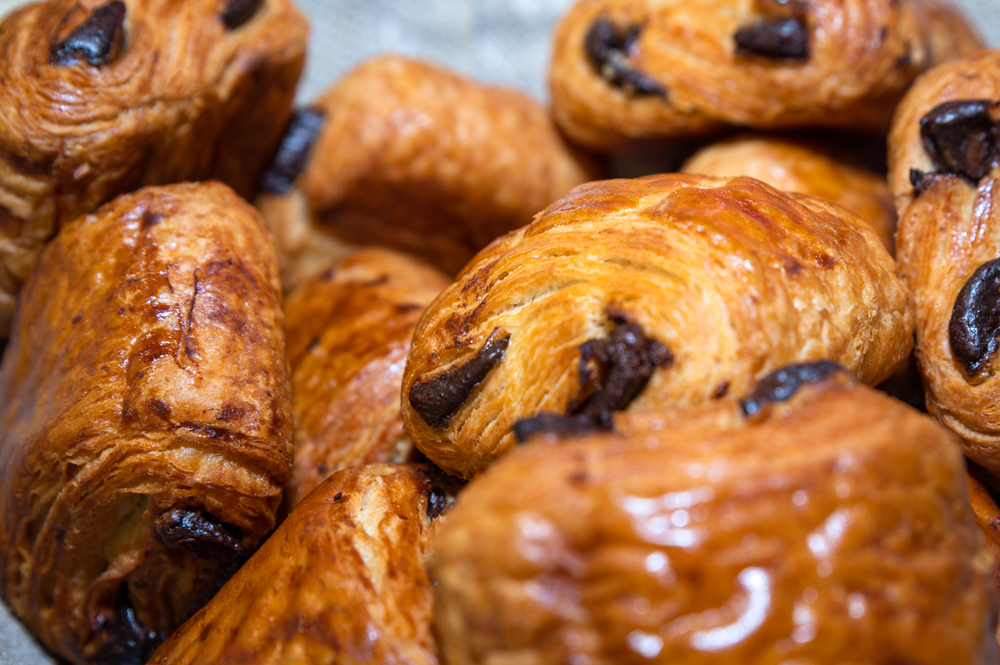
Paris is rightly famous for its pastries. The croissants, the pain au chocolat, the elaborate tarts and éclairs — the city’s pâtisseries are serious institutions.
Lyon doesn’t compete at that level of theatrical precision. But Lyon has its own pastry culture, and it’s less celebrated partly because it’s less photogenic.
The praline tart — a bright pink filling made from crushed praline almonds in a buttery shell — is Lyon’s signature sweet, and it’s far better than its appearance suggests. A slice costs €2.50–€4 at a boulangerie.
The bugnes, fried dough pastries associated with Lyon’s Mardi Gras celebrations, appear in bakery windows throughout winter and early spring at similar prices. If you’re chasing Instagram-ready pastry architecture, Paris wins.
If you want something that tastes like it belongs to a specific place, Lyon keeps up well.
The Restaurant Lunch Habit
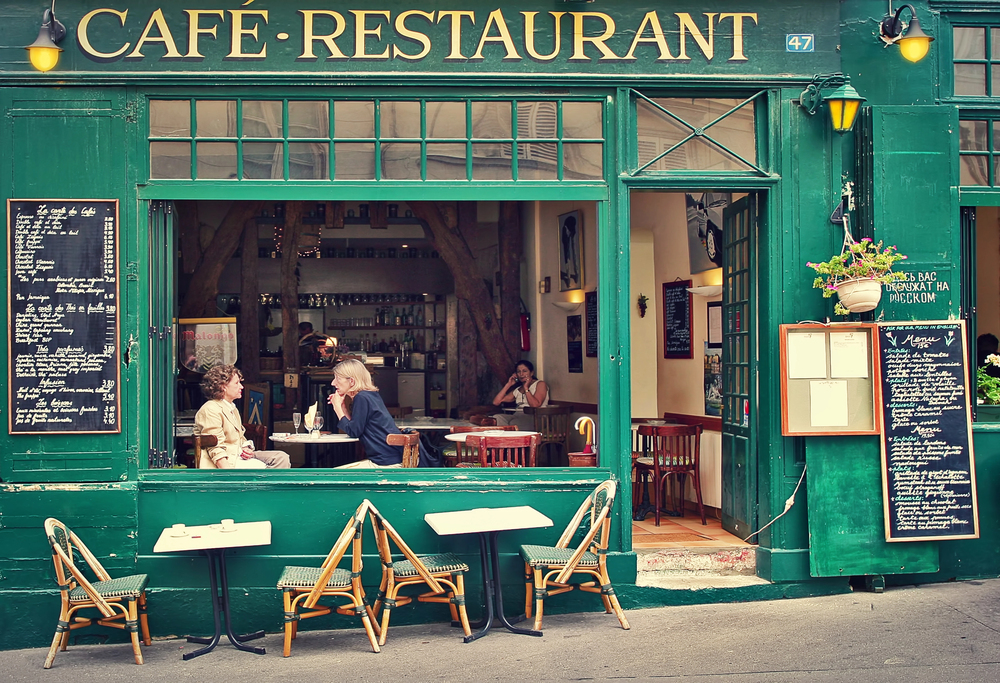
France broadly operates on the premise that lunch is the main meal of the day, and restaurants reflect this with fixed-price lunch menus — called formules — that offer two or three courses at a set price. Both cities do this, but the value gap between them is real.
In Paris, a two-course lunch formule at a decent bistro runs €16–€24. In Lyon, the same format at a comparable bouchon or neighborhood restaurant runs €13–€19.
The portions in Lyon tend to be more generous. The wine included in some bouchon formules is not a small glass — it’s a proper carafe.
Across a week of daily lunches, that price difference accumulates into another full day’s food budget.
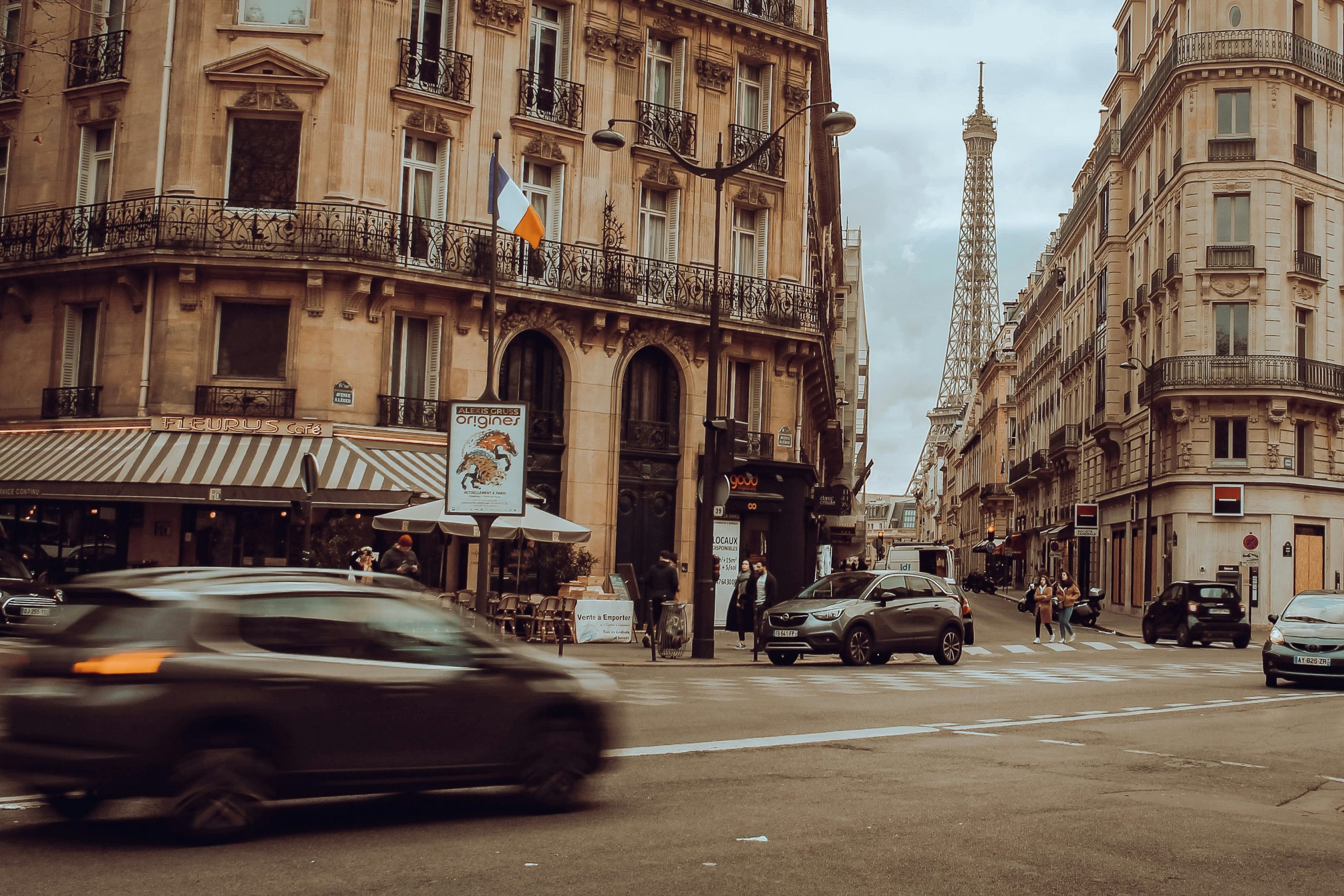
Two Cities, One Honest Answer
Lyon is the better city if you love food and do not want to spend a lot of money. For about $100 a day, you eat very well there.
The small restaurants called bouchons give you big, filling meals at fair prices. The markets have great cheese, meat, and bread that do not cost much.
The wine is cheap because the vineyards are close by. You do not need to look hard for good food in Lyon.
It is everywhere, and it is made for everyday people, not just visitors. Paris is also a great place to eat, but you have to be more careful with your money there.
Prices change a lot by area, and the good cheap spots take more effort to find. Lyon just makes it easy.

More from Home As We Make It
- 18 Affordable Places to Retire in the U.S.
- Antique Glassware That’s Worth Collecting
- Stay-At-Home Jobs That Actually Pay
- 18 Forgotten Snacks from the ’80s and ’90s
- 20 Things That Make a House Look Cleaner Than It Is
Like Home As We Make It‘s content? Follow us on MSN.