
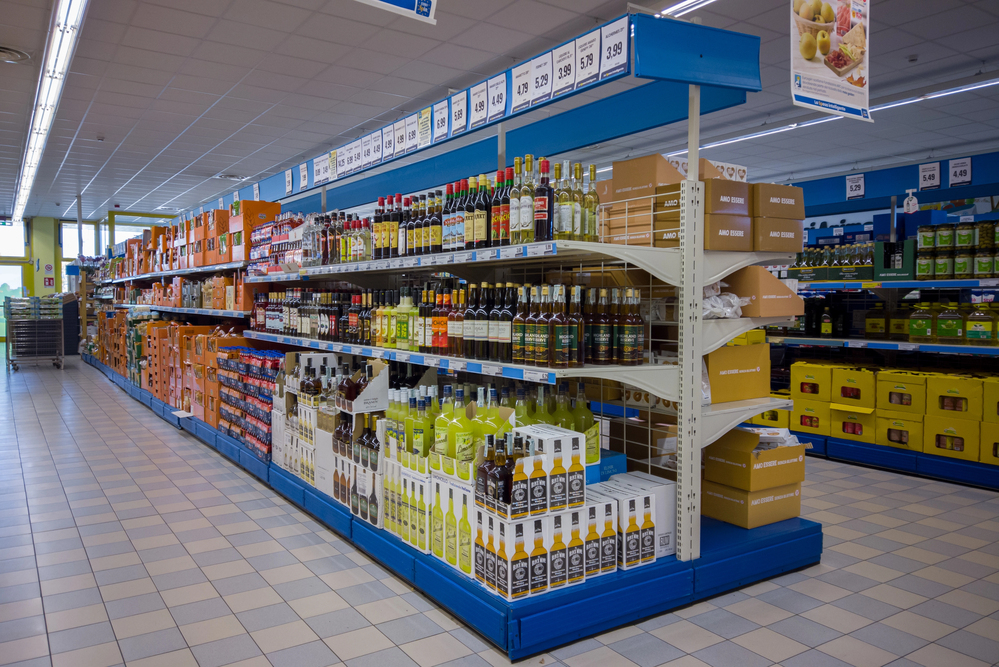
Reasons Why Hitting the Local Supermarket is the Most Authentic Thing You Can Do Abroad
There’s a version of travel where you go to all the right places, photograph all the right things, and come home with a neat stack of souvenirs. And then there’s the version where you spend an hour wandering the grocery aisles of a foreign country and walk out feeling like you actually understood something.
The supermarket — dusty fluorescent lights and all — tends to offer the second kind of experience.
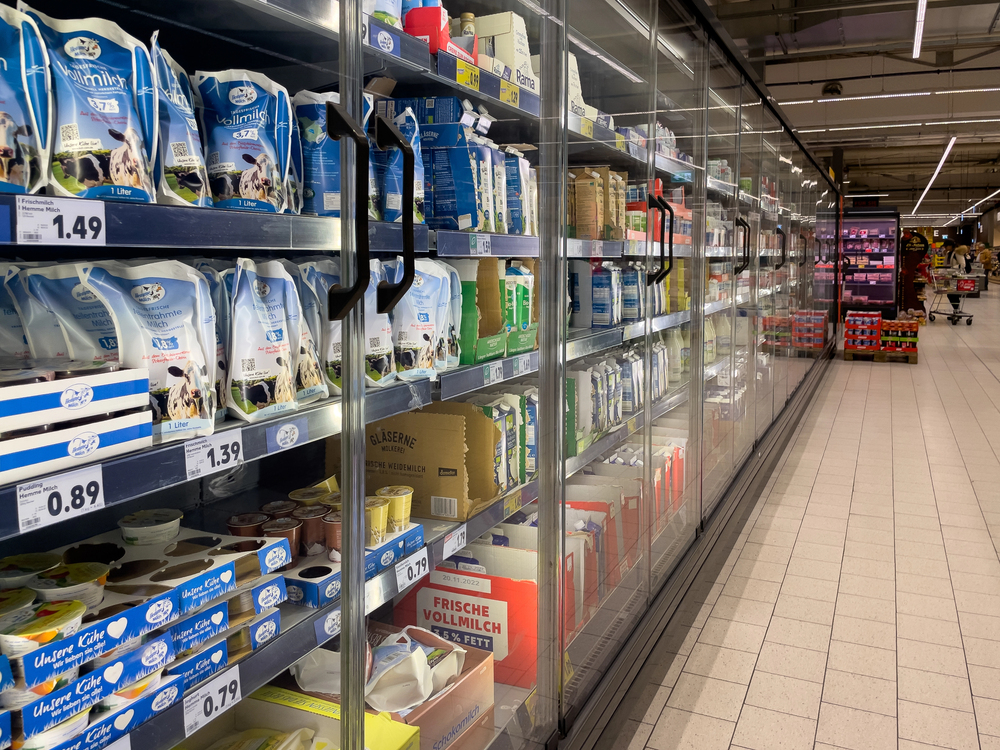
The Prices Tell You Everything
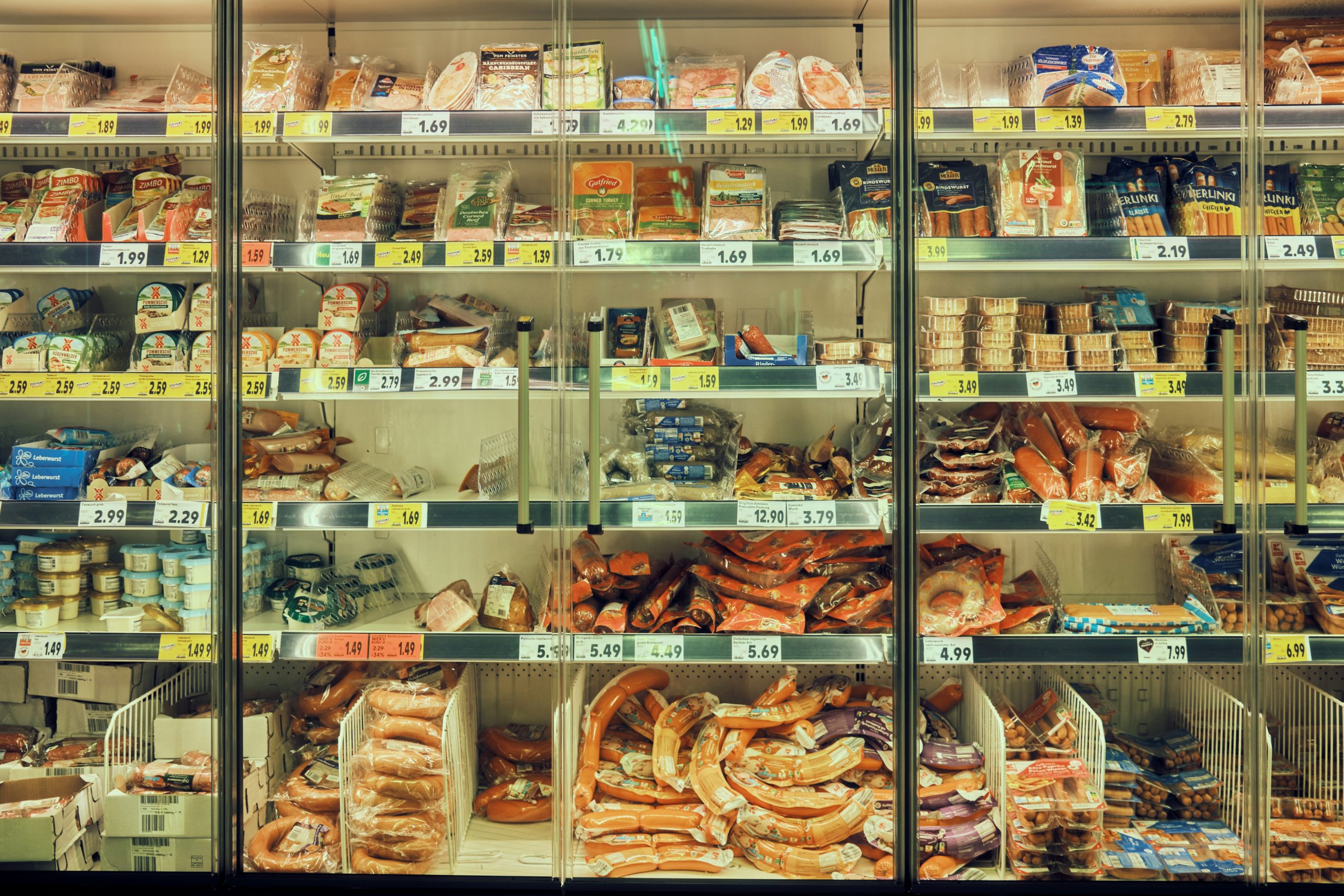
Before you’ve exchanged more than a few words with anyone, the price tags in a supermarket will tell you how people live. What’s cheap? What’s expensive? What’s treated as a luxury versus a basic staple? In some countries, fresh fish costs less than a bottle of water.
In others, a block of good cheese is a weekly splurge. That gap between what you expect to pay and what things actually cost tells you more about a place’s economy and daily priorities than any guidebook summary.
It's Where Actual People Go
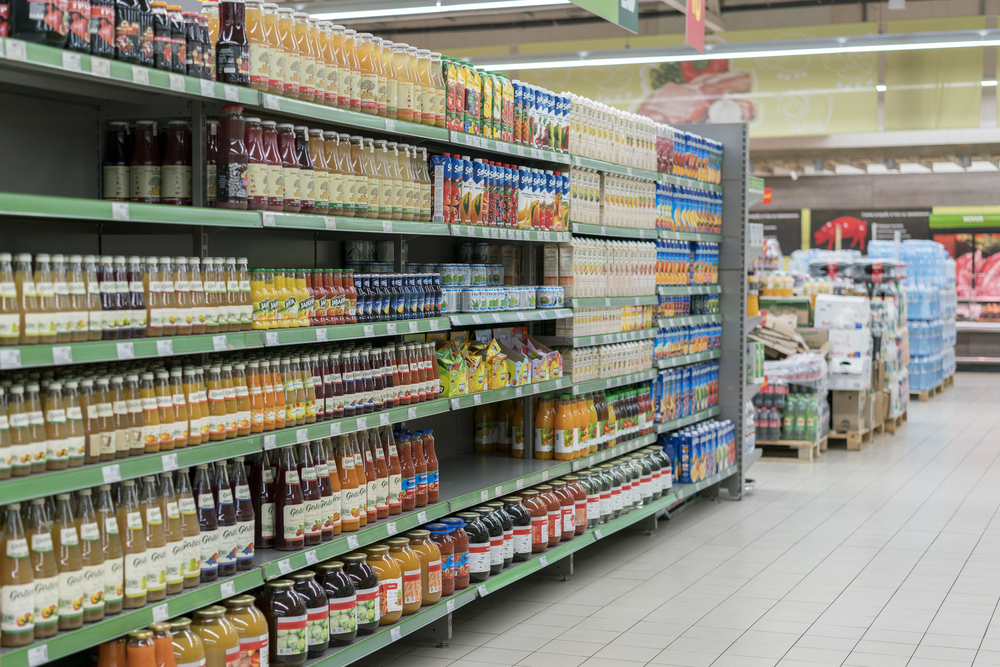
Tourist-facing markets and food halls are worth visiting. But the locals who live down the road from them rarely shop there.
They’re at the supermarket — the one with the scuffed floors and the carts with a wobbly wheel. Shopping at the same place gives you a small but genuine overlap with daily life.
You’re not watching people live — you’re briefly living the same way they do.
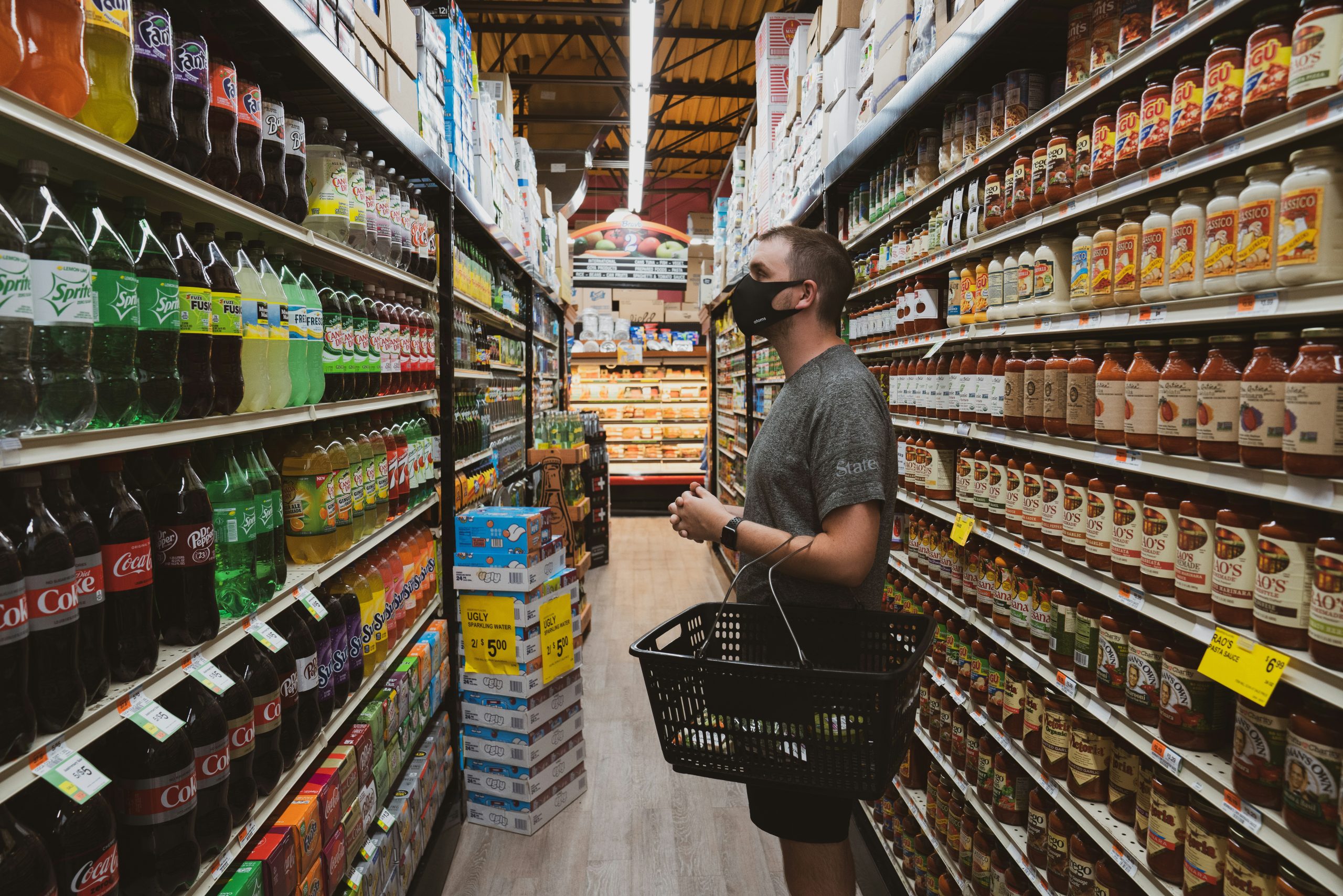
The Snack Aisle Is a Cultural Document
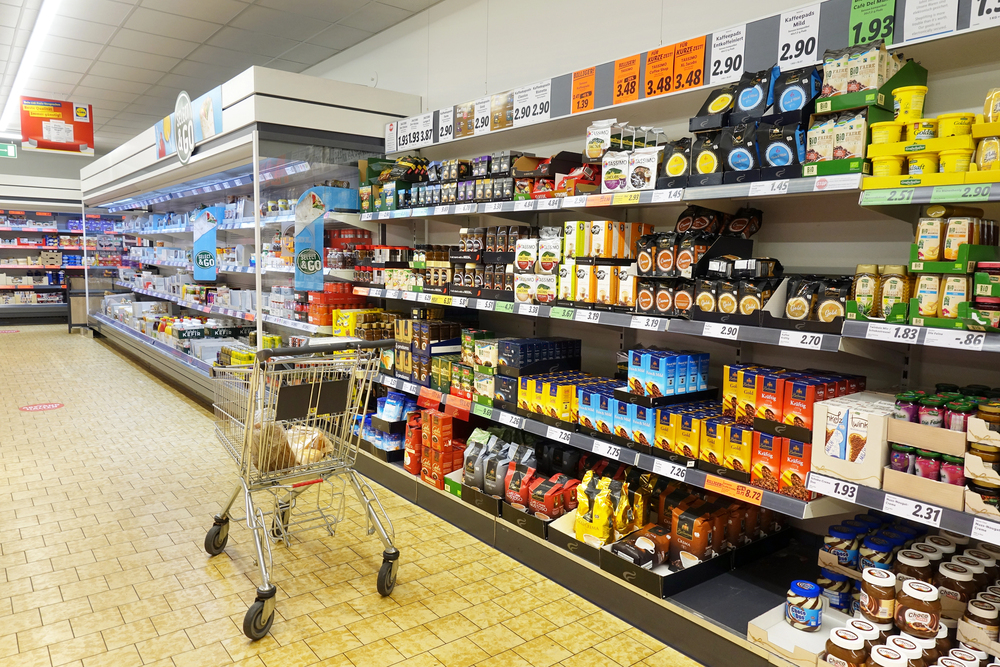
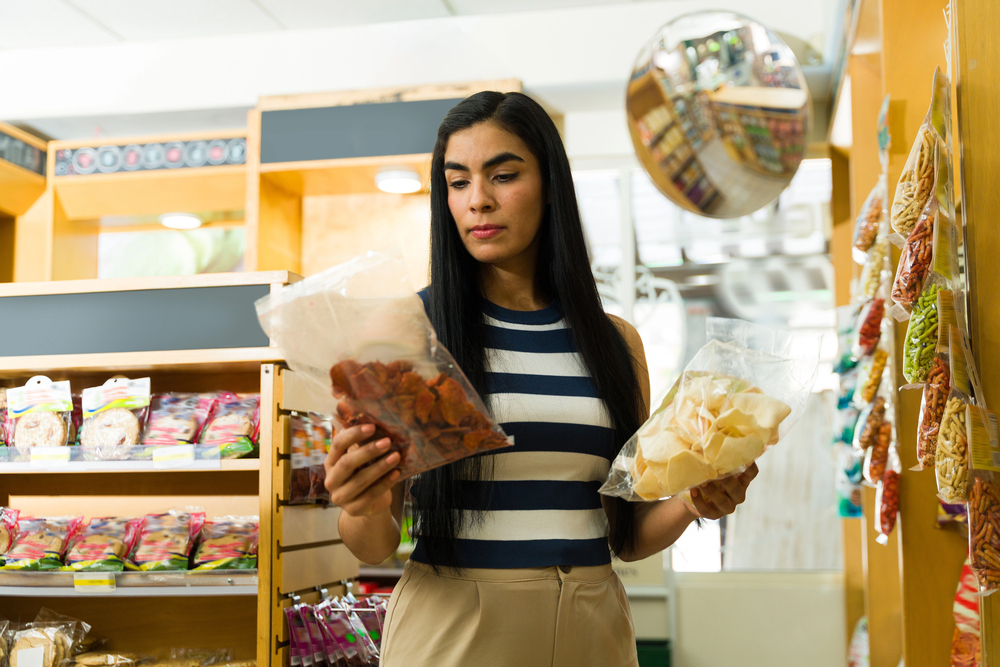
Spend ten minutes in the snack aisle and you’ll learn things. Not abstract, Wikipedia-style facts, but real preferences.
What flavors are popular? Are the chips prawn-flavored or vinegar-based?
Is everything sweet or does savory dominate? Are there regional brands you’ve never heard of, sitting right next to global ones?
The snack section of a supermarket tells you what people reach for when they’re hungry and not thinking too hard about it — which is often more honest than anything presented on a restaurant menu.
You Have to Actually Communicate
Finding things is harder than it looks. The layout makes no sense to you.
The categories are arranged differently. And sometimes the only way to find what you’re looking for is to ask someone, gesture wildly, and between the two of you, figure it out.
That tiny moment of communication — broken language, pointing, maybe a phone translation app — is more real than a rehearsed exchange at a hotel desk. Nobody’s performing for you.
They’re just trying to help you find the pasta.
The Labels Are a Language Lesson
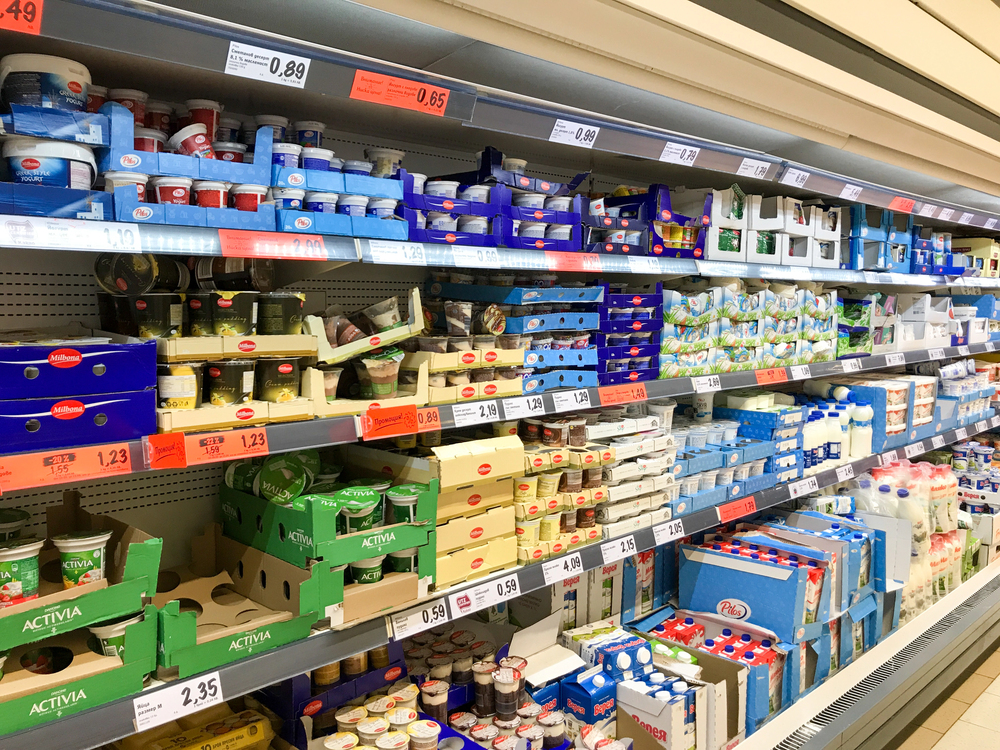
You’re not going to become fluent from reading cereal boxes. But you’ll start recognizing patterns. The same words appear on multiple products.
Numbers that match quantities you can figure out. Instructions that look like instructions.
Food is one of the fastest ways to get comfortable with a new script or alphabet because the context helps you guess. By the time you leave, you’ll at least know the word for milk.
Local Brands Beat the Airport Versions
Every country has a version of a national food item that gets exported, packaged nicely, and sold at airport shops for three times the price. The supermarket version — the one bought by actual residents — is almost always better, cheaper, and more representative.
It hasn’t been adjusted for foreign palates or prettied up for tourist presentation. It’s just the thing, as it actually is.
You See What's in Season
Restaurant menus are edited. Street food vendors specialize.
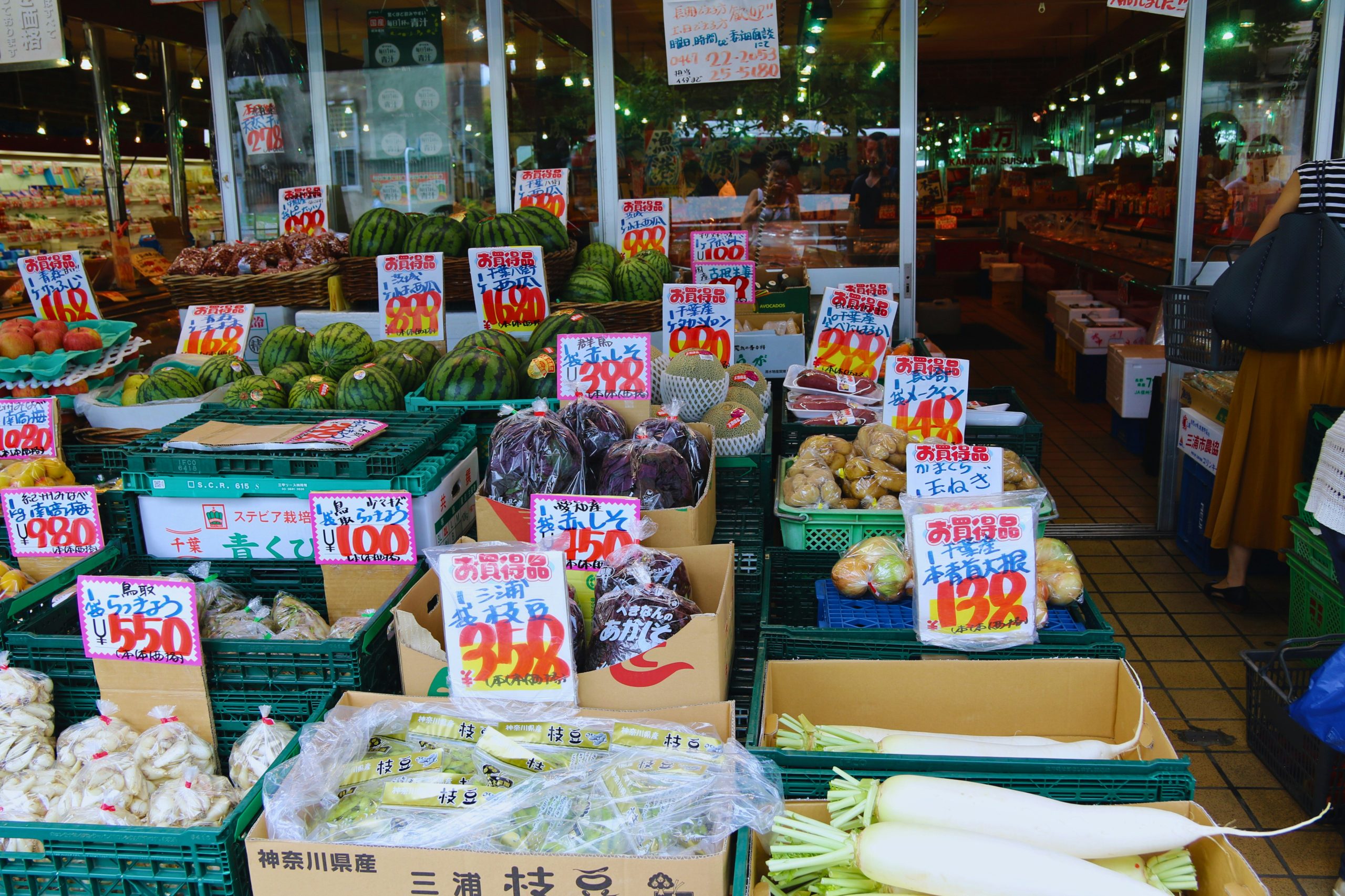
But a supermarket produce section doesn’t lie about what’s actually growing right now. The fruit piled high and sold for almost nothing is in season.
The stuff sitting in small quantities at a higher price point probably isn’t, or has been shipped in. For anyone who cares about food, that information changes how you think about what to order or cook.
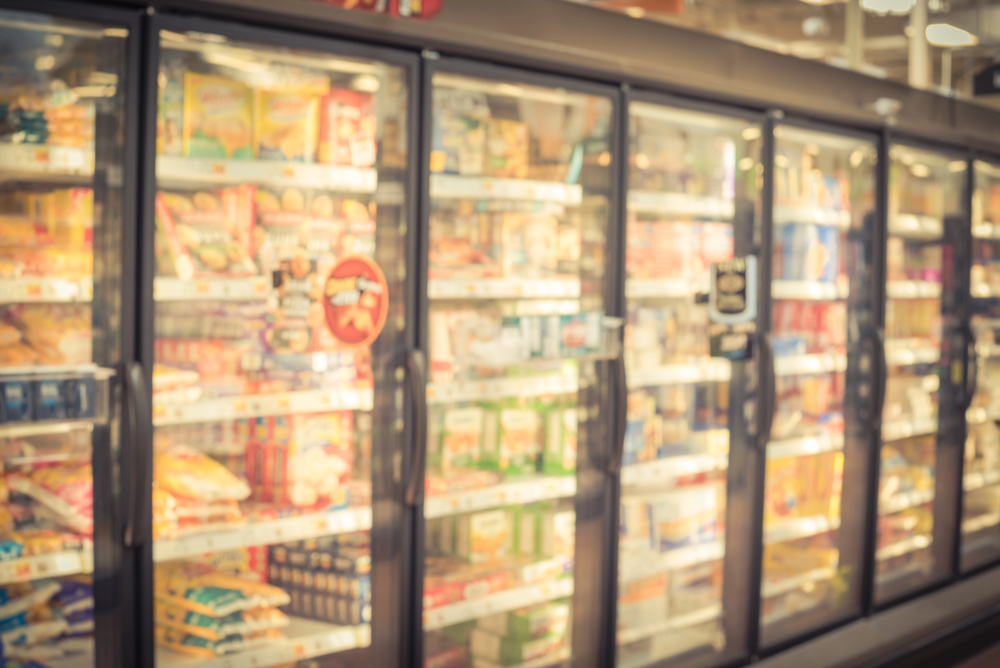
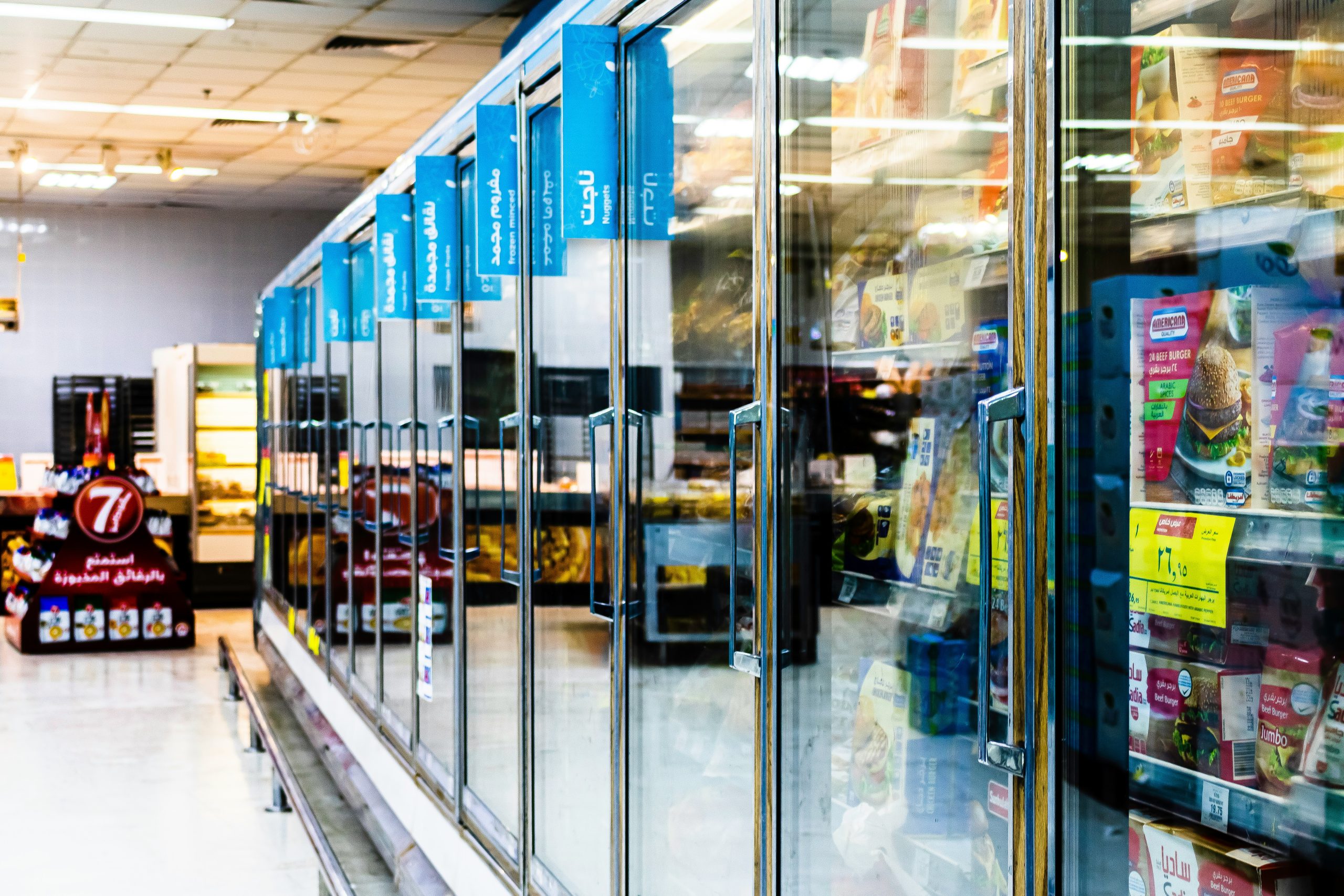
The Frozen Section Is Fascinating
Nobody talks about this enough. Frozen food sections vary wildly by country.
What a culture keeps frozen — what convenience looks like on a national level — is genuinely interesting. In one country it’s dumplings.
In another, it’s a specific regional stew. Somewhere else, it’s an entire category of convenience meals that you’ve never seen a version of back home.
The frozen aisle is where practical eating meets cultural habits.
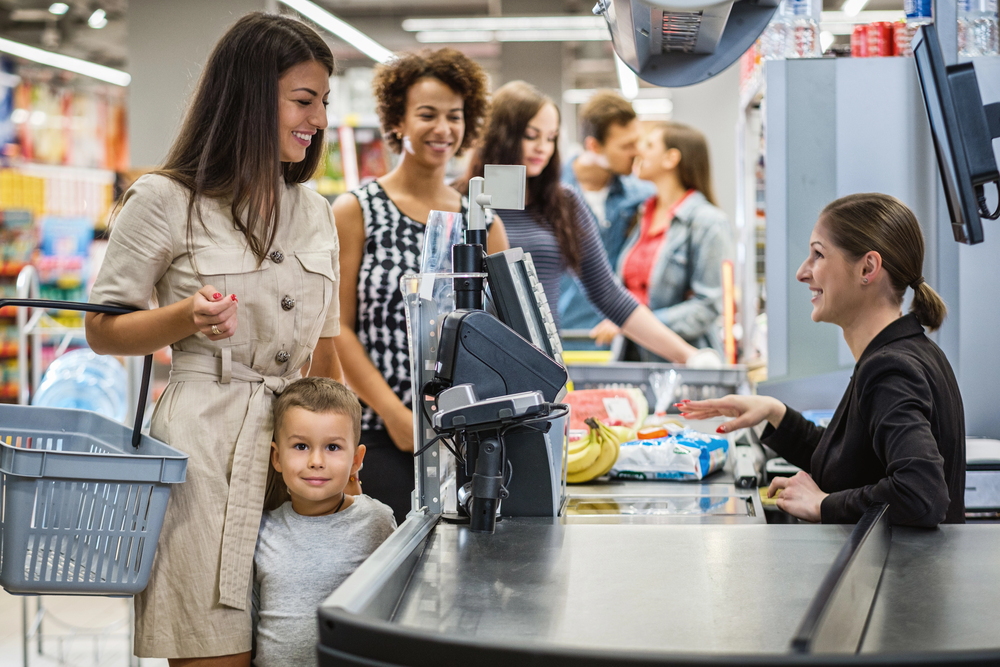
Checkout Tells You About Social Norms
How people queue. Whether they make eye contact with the cashier. Whether small talk happens or not. How quickly the transaction is expected to move.
Whether bagging your own groceries is standard or seems to surprise people. These small rituals at the register are a compressed version of how social interaction works in that country.
You’re not just buying food — you’re watching a hundred small norms play out in real time.
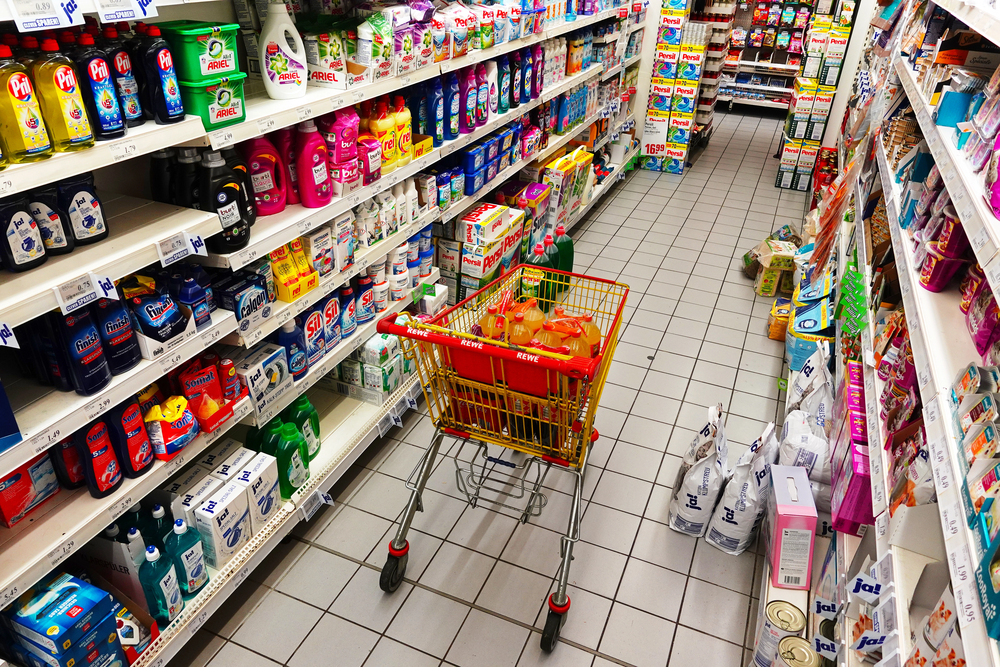
The Household Products Section Is Underrated
Cleaning products, personal care items, and pharmacy basics tell you a lot about what people value and what’s considered standard. The brands are different.
The products often address different concerns — climate, water quality, local skin types. Some things that are expensive at home cost almost nothing here.
Others you’ve taken for granted aren’t available at all. It’s a small but honest window into how daily domestic life is organized.
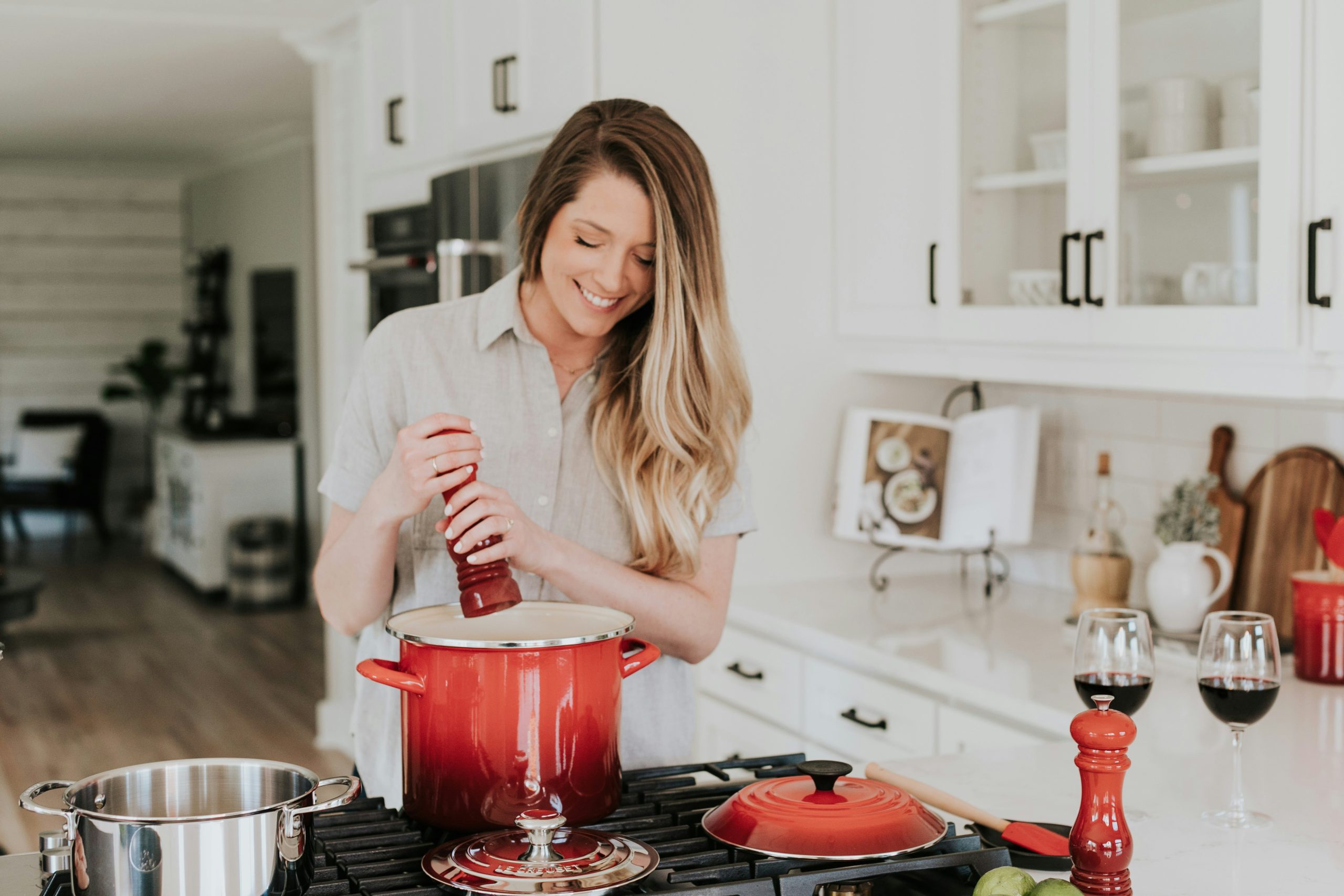
You Can Actually Cook Something
If you’re staying somewhere with even a basic kitchen, a supermarket run opens up the possibility of making a meal. Not because cooking while traveling is more virtuous than eating out — it isn’t — but because buying local ingredients and figuring out how to use them is its own kind of engagement with a place.
You start asking questions. You notice that the local tomatoes taste different. You buy something you can’t identify and look it up later.
The Music and Atmosphere Are Unstaged
What’s playing on the speakers? Is it pop from twenty years ago, current local hits, or something that defies categorization? Is it loud or barely noticeable?
What does the lighting feel like? None of this has been designed for visitors.
It’s just the ambient reality of how this particular place operates on a Tuesday afternoon. That absence of curation is rare when you’re traveling, and worth paying attention to.
You Come Home With Better Souvenirs
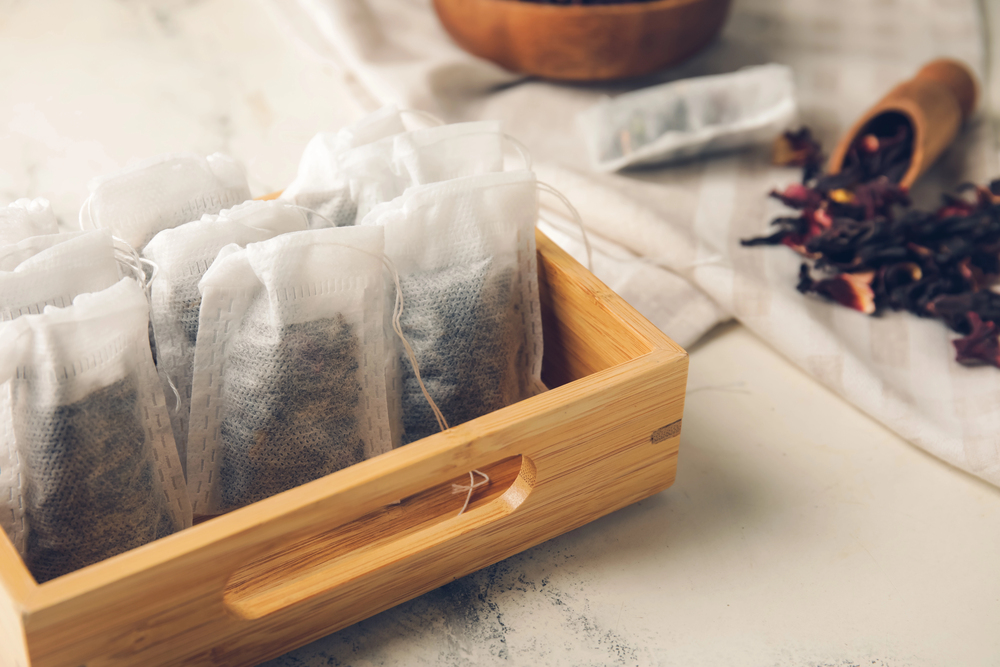
The items you carry home from a supermarket — a jar of something, a package of cookies that don’t exist in your country, a type of tea you’ve never seen — tend to be more meaningful than things bought from a souvenir shop. They’re what people actually eat.
They taste like the place. And they usually cost a fraction of the decorative versions sold to tourists two streets over.
The Whole Experience Costs Almost Nothing
A supermarket visit has no entry fee, no booking requirement, no timed slot. You can stay as long as you want, buy as little or as much as you like, and leave without obligation.
For the amount of time and money it costs, very few travel experiences return as much genuine texture about daily life in a place. Most of the best travel moments aren’t scheduled. This is one of them.
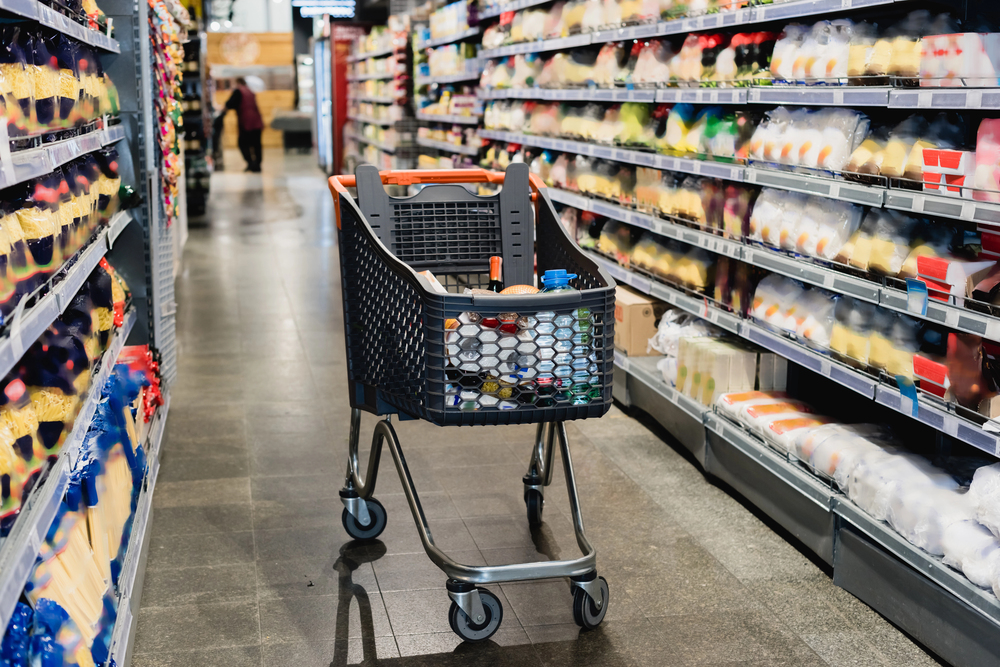
The Cart You Leave Behind
When your holiday finishes and you ponder over the things that you recall the most, it rarely happens to be the well-known places or the big attractions for you. Most of the time it is a small thing. The first time you tasted a certain food.
The person who helped you when you were lost. The moment when something at one and the same time felt strange and familiar to you. The local supermarket provides you with those little, genuine moments more than most other places that you will visit.
And the reason that it is successful is quite straightforward. It is not manufactured for you.
It is merely a place where people carry on with their normal lives. And for a short time, you were able to be a part of it.

More from Home As We Make It
- 18 Affordable Places to Retire in the U.S.
- Antique Glassware That’s Worth Collecting
- Stay-At-Home Jobs That Actually Pay
- 18 Forgotten Snacks from the ’80s and ’90s
- 20 Things That Make a House Look Cleaner Than It Is
Like Home As We Make It‘s content? Follow us on MSN.