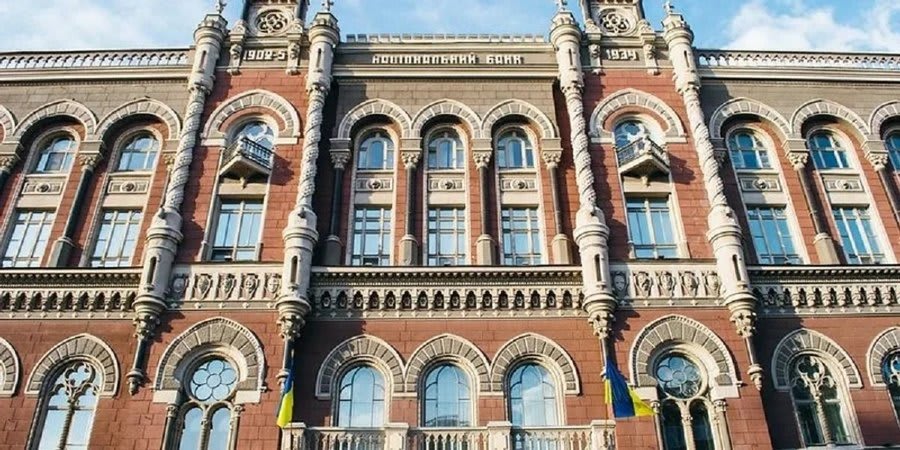
Active lending became a stable driver of growth in the banking sector’s net assets, which rose by 11% in the fourth quarter and by 17.2% over 2025, the central bank said.
The volume of net hryvnia loans to businesses expanded steadily throughout the year. Small and medium-sized enterprises accounted for the largest share of the hryvnia corporate portfolio, with lending to SMEs rising by more than one-third annually.
Read also: ‘Highest level ever recorded’: Ukraine’s international reserves hit historic peak
A significant contribution to portfolio growth came from a revival in lending to state-owned companies, primarily in the energy sector. Foreign-currency lending also picked up in the second half of the year.
All banking groups expanded their loan portfolios over the year, with foreign-owned banks growing the fastest. By maturity, loans with terms longer than three years increased more rapidly. By sector, lending rose most to wholesale trade companies, agriculture, the food industry, financial services, and enterprises in the energy and machinery manufacturing sectors, including the defense industry.
During the year, market-rate loans grew four times faster than subsidized loans, and the share of loans issued under the “5-7-9%” program in the hryvnia corporate portfolio declined to 30%.
As previously reported, the Cabinet of Ministers extended preferential lending conditions under the Affordable Loans 5-7-9% program for agricultural enterprises for another year — through the end of March 2027.
In February 2026, the Economy Ministry reported how many loans businesses had taken out since the start of the year.
Banks in Ukraine in January 2026 increased lending by 1.2%, or 14.8 billion hryvnia, to 1.21 trillion hryvnia and reduced their deposit base by 2.1%, or 67.8 billion hryvnia, to 3.17 trillion hryvnia.
We’re bringing the voice of Ukraine to the world. Support us with a one-time donation, or become a Patron!
Read the original article on The New Voice of Ukraine
Section: Business
Author: Alex Stezhensky