
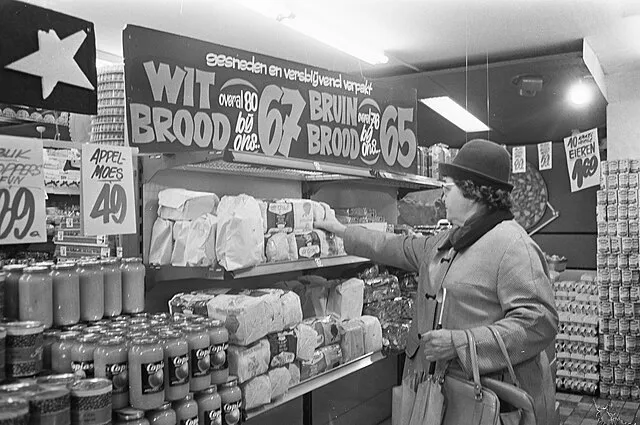
Grocery shopping in the 1960s looked very different, with stores focusing on simple displays and processed foods rather than modern health trends.
The local supermarket in the 1960s was a bright symbol of modern convenience for families across the country. Walking through the front doors revealed a world of shiny tile floors, massive pyramids of canned goods, and the distinct smell of freshly ground coffee beans. It was an era when frozen dinners and powdered drinks were viewed as exciting culinary miracles that saved busy mothers hours of cooking time every single night. Shoppers did not worry about reading tiny ingredient labels or checking for organic certification on their produce. Instead, they pushed heavy metal carts down narrow aisles, chatting with neighbors and trusting the big brands to provide clean and affordable meals for their households. Looking back at this era reveals how much our views on nutrition and shopping habits have changed over the decades.
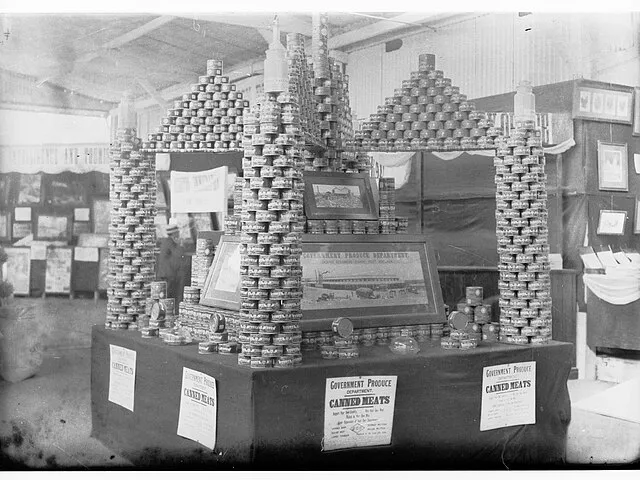
1. Massive Canned Food Pyramids
Employees spent hours building giant displays of canned corn, peas, and peaches right at the ends of the aisles. These towers reached high into the air to grab the attention of shoppers pushing their carts past the shelves. It was a visual trick used to make the store look fully stocked and prosperous for the local community. If a shopper pulled a can from the wrong spot, the entire structure could come crashing down onto the linoleum floor. No one worried about the safety risks of falling metal tins because it was just standard retail practice for the era. Today, stores use secure plastic bins and flat shelves to display their bulk items. Heavy metal towers are a thing of the past because of safety liabilities.
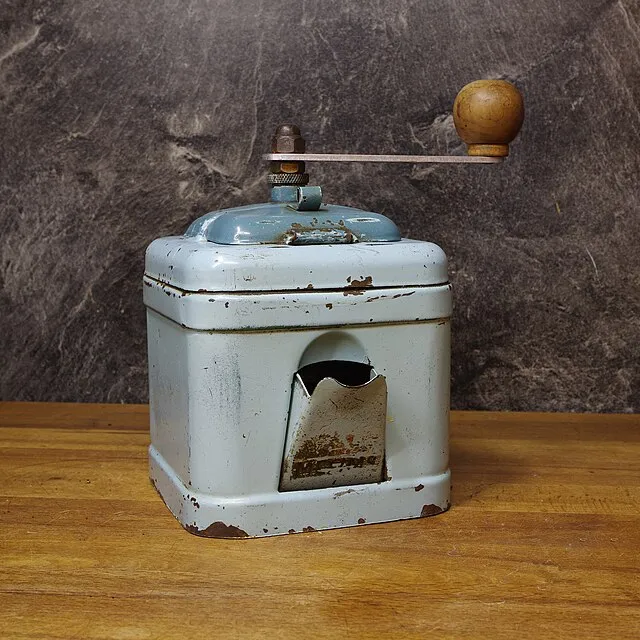
2. Fresh Coffee Grinder Stations
A rich aroma filled the air near the baking aisle because every store had a heavy red machine for grinding coffee beans. Shoppers would grab a paper bag of whole beans, select their preferred grind size, and flip the switch to pulverize the beans right on the spot. It was a loud, messy process that left a fine brown dust all over the counter. This interactive station was a highlight for adults who wanted the freshest possible brew for their morning breakfast tables. Today, most coffee is sold in pre-sealed plastic pods or vacuum-packed bricks that stay fresh for months on the shelf. The sensory experience of grinding your own beans in the middle of a store aisle has mostly vanished from modern chains.
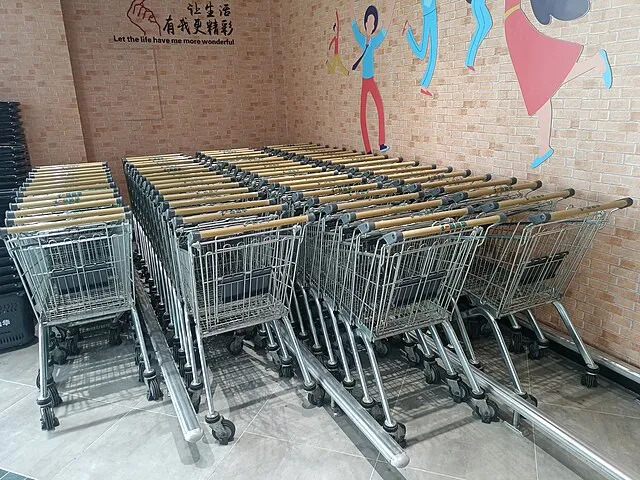
3. Metal Shopping Carts Clattering
The baskets used to carry groceries were made of heavy steel wires that rattled loudly as they rolled over the tile floors. These carts did not have smooth rubber wheels or plastic bumpers to absorb the shocks of running into a display. If two shoppers collided in an aisle, it created a massive metallic clang that echoed throughout the entire building. Children would often ride inside the metal basket, gripping the cold steel wires with their hands as their parents pushed them along. There were no safety belts or plastic leg covers to keep the toddlers comfortable or secure during the trip. Today, plastic carts with silent wheels and safety straps are the standard tool families use to gather their weekly groceries.
4. Ash Trays on Shelves
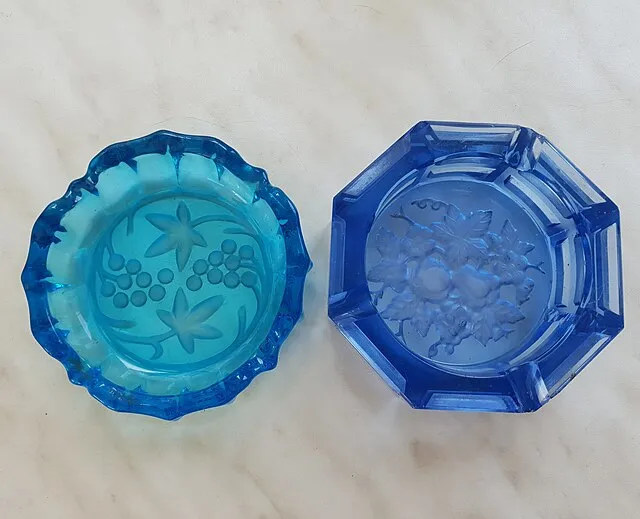
Smoking was a socially accepted habit that followed people everywhere, including into the local food store. It was common to see shoppers pushing their carts while a lit cigarette dangled from their lips, inspecting the fresh meat. Small metal cups were often attached to the edges of the shelves so people could tap their ashes without ruining the floor. Store clerks would smoke while restocking shelves or chatting with customers at the checkout counters. The smell of tobacco smoke mixed with the scents of fresh produce and laundry soap to create a unique atmosphere. Today, smoking inside any public building is strictly illegal. The idea of indoor smoking among fresh food is shocking to modern people.
5. Glass Soda Bottle Returns
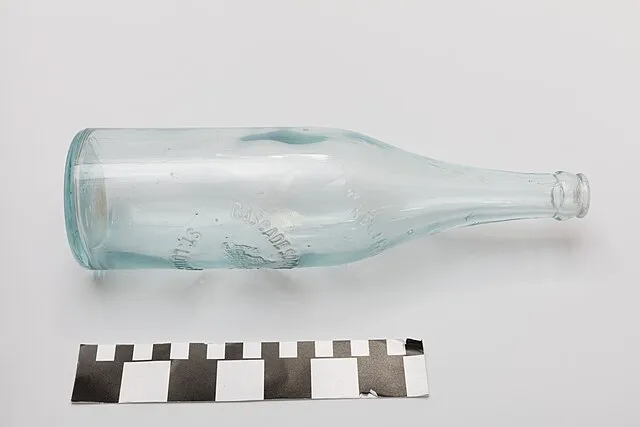
Soft drinks did not come in lightweight plastic jugs or aluminum cans that were crushed and tossed into blue bins. Soda was sold in heavy glass bottles that required a small cash deposit at the register when purchased. Families would load empty bottles into wooden crates and bring them back to the store to claim their nickels and dimes. Clerks would sort the sticky glass by brand in the back room so the beverage trucks could take them away to be washed and refilled. It was an early form of recycling that relied on manual labor and heavy lifting by both shoppers and staff. Today, plastic recycling is the standard method, and the sight of stacks of glass crates in the lobby is a relic of a bygone era.
6. S&H Green Stamp Dispensers
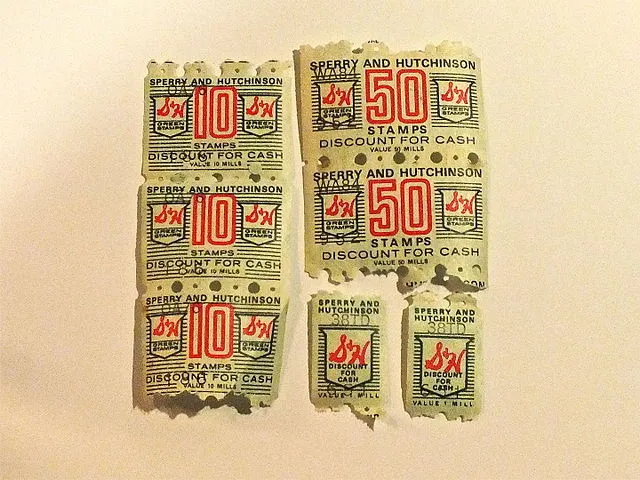
When it was time to pay for the groceries, the cashier would turn a heavy dial on a machine to dispense paper stamps. Shoppers collected these colorful stamps based on how much money they spent on their weekly groceries. Families would take the paper home and paste it into special booklets kept in kitchen drawers. Once enough books were filled, they could be traded at a local redemption center for toaster ovens, lamps, or bicycles. It was a highly successful loyalty program that kept shoppers coming back to the same store every week. Today, digital points are tracked on plastic cards or smartphone apps. The tactile hobby of licking and pasting paper stamps into a booklet is a lost art for modern shoppers.
7. Paper Bags Packed Tight
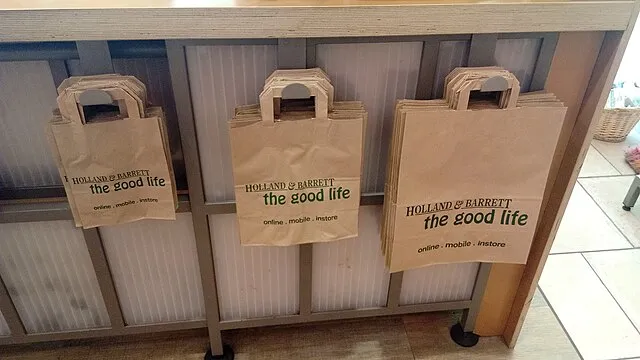
The cashier would carefully pack heavy groceries into thick brown paper bags that did not have any handles. Shoppers had to wrap their arms around the bottom of the bag and carry it to the car like a heavy box. If a bag got wet from condensation or rain, the paper would rip open, dumping the food onto the asphalt. Clerks were trained in the art of Tetris, placing heavy cans at the bottom and fragile eggs at the top. It took a lot of upper-body strength to lift these heavy paper bundles into the trunk of a family vehicle. Today, plastic bags with sturdy handles and reusable fabric totes are the norm. Heavy paper sacks without any grips are rarely seen in modern checkout lanes.
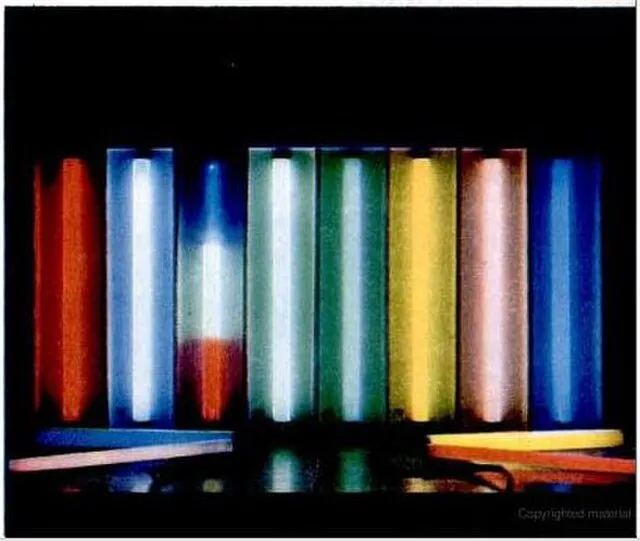
8. Fluorescent Tube Lighting Buzz
The ceilings of the building were lined with long glass tubes that cast a bright, harsh white light over the aisles. This lighting was a modern marvel of the era because it made the store look clean, sterile, and futuristic. However, these old tubes often flickered and made a constant hum that filled the store's quiet corners. If a bulb were dying, it would blink rapidly, giving shoppers a headache as they tried to compare prices on cereal. The harsh glow washed out the natural colors of fruits and vegetables, making them look a bit artificial. Today, stores use silent, energy-efficient LED bulbs designed to make the colors of fresh foods pop for customers.
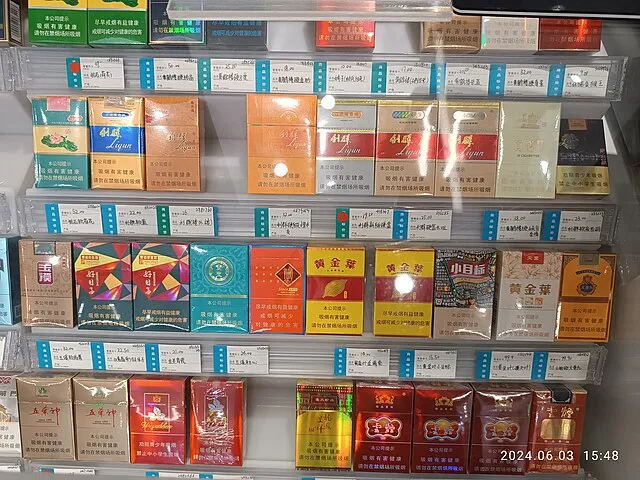
9. Cigarettes Behind the Counter
Tobacco products were not hidden behind opaque plastic shutters or kept in locked cages to prevent theft. Cartons and packs of cigarettes were displayed openly on shelves right behind the checkout lanes for easy access. Any adult, or even a child with a handwritten note from their parents, could purchase a pack without showing an identification card. It was viewed as a standard commodity, just like buying a loaf of white bread or a gallon of milk. The colorful branding of the packs added to the visual clutter of the checkout area. Today, tobacco laws are very strict, and products are hidden from view. The open display of tobacco products at eye level is a sight that has been erased from modern retail.
10. Price Stamps on Cans
Before the invention of barcodes and digital scanners, every single item had its price stamped directly onto the surface. Clerks walked the aisles with mechanical ink stampers, clicking purple prices onto the metal lids of soup cans and boxes. If the store changed a price, a worker had to use a chemical solvent to wipe off the old ink and stamp a new one. Cashiers had to read these purple numbers and punch them manually into heavy metal registers by hand. It was a slow process that required sharp eyesight and quick fingers to keep the line moving. Today, a laser scan reads a barcode in a fraction of a second. The purple ink stamps on top of soup cans are a charming memory of a slower shopping era.
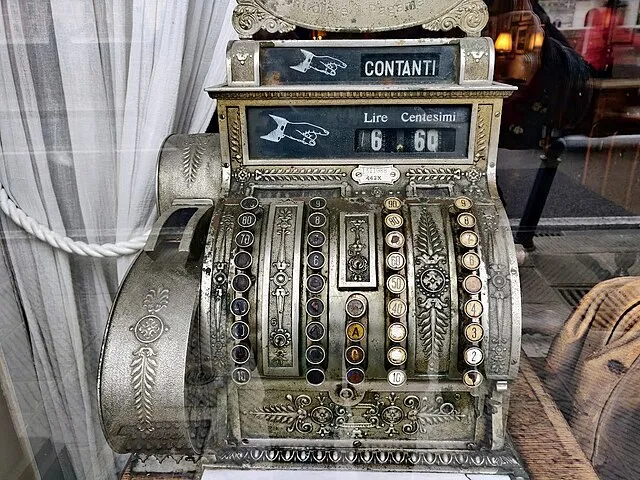
11. Lever Action Cash Registers
The checkout counter featured a heavy mechanical machine with rows of colorful plastic buttons and a hand crank. To ring up an item, the cashier would punch in the price and pull a metal lever to open the cash drawer. A loud bell would ring, and wooden number tabs would pop up in a glass window to show the customer the total. Adding tax was a manual calculation that required a chart taped to the side of the machine. These registers were built like tanks and did not rely on computers or internet connections to process the final bill. Today, touchscreen computers and self-checkout kiosks handle the money. The mechanical ring of a heavy metal lever is a sound that has disappeared from modern retail.
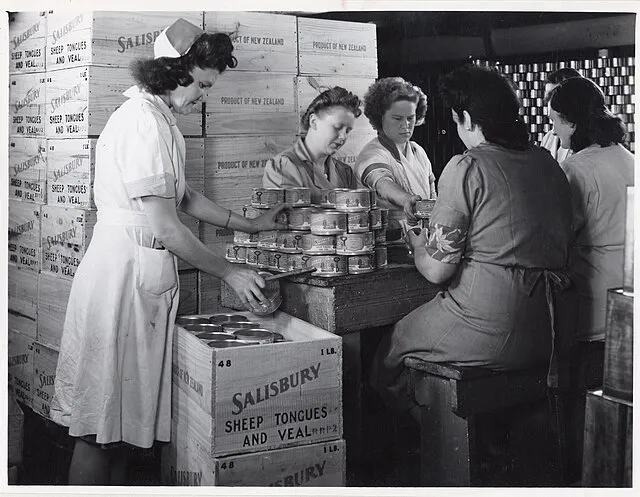
12. Canned Meat in Aisles
Processors figured out how to put entire dinners into tin cans, and shoppers loved the modern convenience. Canned ham, spiced pork, and even whole chickens submerged in gelatin were popular items found on the shelves. These products were viewed as futuristic space-age meals that did not spoil and required very little prep work. Families would stock their pantries with these processed meats to save money and time during the busy school week. No one worried about sodium levels or preservatives because the focus was on efficiency and shelf stability. Today, shoppers prefer fresh cuts of lean meat from the butcher counter. The sight of jelly-preserved meats in a can is a bit unappetizing to modern shoppers.
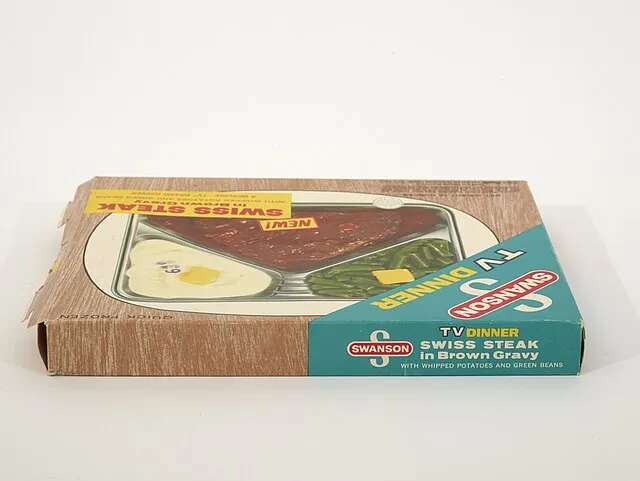
13. Frozen TV Dinner Trays
The frozen food section was a wall of heavy white chest freezers, with sliding glass doors at the top. Inside, shoppers would find aluminum trays filled with frozen turkey, mashed potatoes, peas, and a small apple dessert. These meals were designed to be baked in the oven while the family sat in the living room watching their favorite broadcast. It was the height of dining convenience for working mothers who did not want to wash heavy pots and pans. Eating a meal out of a segmented aluminum tray was a fun novelty for children of the era. Today, frozen meals are made in plastic bowls that are safe for microwave use. The shiny metal foil trays are a symbol of the 1960s dining culture.
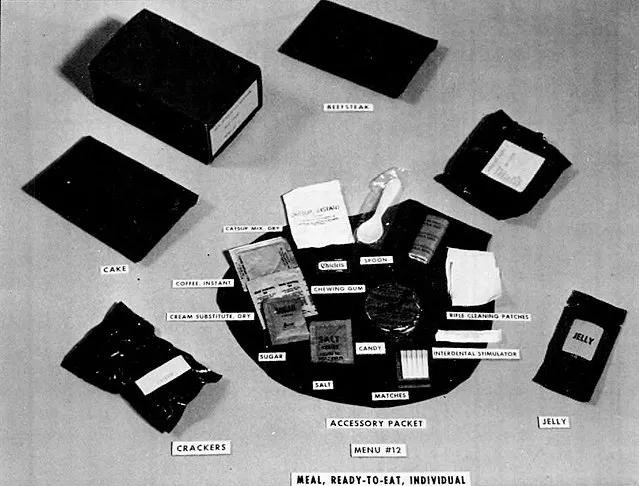
14. Gelatin Dessert Packets
A massive section of the baking aisle was dedicated to colorful boxes of fruit-flavored gelatin powder. This product was used to make molded salads that contained shredded carrots, canned fruit, or even cold shrimp. No party or family dinner was complete without a wobbling, bright green or red ring of gelatin sitting in the center of the table. It was viewed as a sophisticated and modern way to present food to guests in a suburban home. Cooking with gelatin was a point of pride for homemakers who wanted to show off their creative kitchen skills. Today, molded gelatin salads are viewed as a strange culinary artifact. The massive wall of gelatin boxes has shrunk down to a tiny corner of the store.
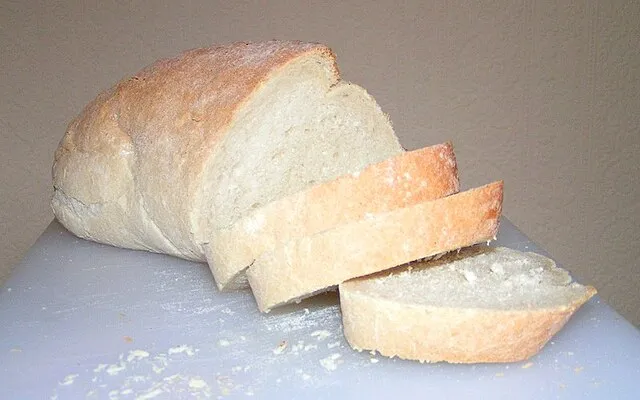
15. White Bread Loaf Walls
The bakery aisle was dominated by rows of soft white bread wrapped in colorful plastic wax paper bags. Whole-grain options, sourdough, or artisanal baguettes were very difficult to find in a standard suburban grocery store. White bread was viewed as clean, pure, and modern because it did not spoil quickly and felt soft to the touch. Children loved eating the squishy slices with grape jelly and creamy peanut butter for their school lunches. Parents viewed it as a wholesome staple that provided energy for growing boys and girls. Today, shoppers seek out sprouted grains, gluten-free loaves, and rustic sourdough. The endless wall of bleached white bread is a sight from a simpler time in American baking history.
16. Powdered Drink Mix Boxes
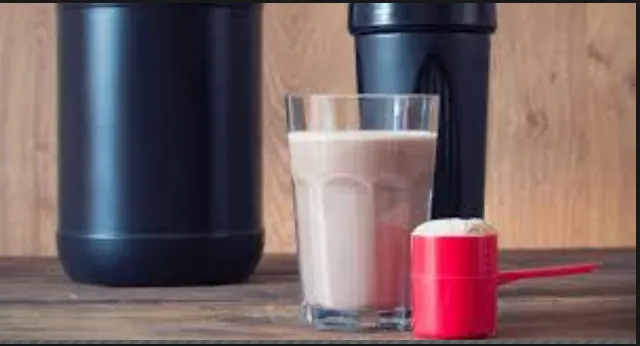
Large displays were filled with colorful paper packets of powdered fruit drink mixes that cost just a few cents. Families would buy dozens of packets to dump into glass pitchers of tap water, stirring in heavy cups of white sugar. It was the standard beverage served to neighborhood children playing in the backyard on hot summer days. The bright artificial colors would stain the tongues and lips of every child on the block for hours. Parents did not worry about the lack of real fruit juice because the packets were cheap and easy to store. Today, families prefer real fruit juices, flavored seltzers, or plain filtered water. The neon-bright powdered drinks are no longer the staple they once were for youth.
17. Heavy Wood Produce Crates
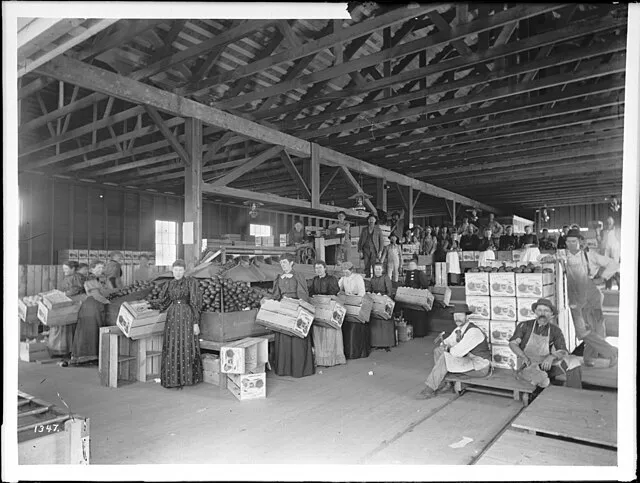
Fruits and vegetables were delivered to the store in heavy wooden crates held together by metal wire and rusted nails. Clerks would use a pry bar to pop the wood open and dump the apples, oranges, and potatoes into open bins. The wood was rough, often leaving workers who had to restock the displays with splinters. These crates were often given away to shoppers who used them to store toys in the garage or build soapbox race cars. The produce section smelled earthy because the dirt was not washed off the vegetables as thoroughly as it is today. Today, produce arrives in collapsible plastic bins or cardboard boxes. The rustic wooden crates are now used mostly as home decor items.