How to Find Cheap Family Meals in a Foreign Country
Feeding a family while traveling abroad can quietly become one of the biggest line items in a travel budget. Restaurant prices in tourist areas are often significantly inflated, and when you’re in an unfamiliar place, it’s easy to end up paying twice as much as the locals do for the same experience.
The good news is that eating well and cheaply in a foreign country is very achievable — you just need to know where to look. Here are 15 practical ways to find affordable family meals when you’re traveling overseas.
Eat where locals eat
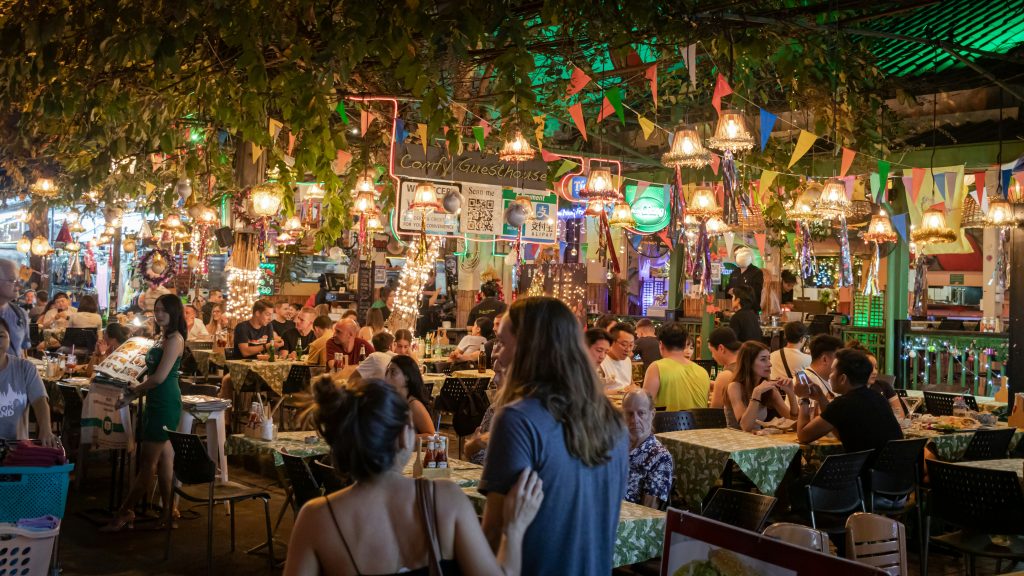
Restaurants within a five-minute walk of a major tourist attraction almost always charge a significant premium. Walk two or three blocks further and prices drop noticeably, because the customer base shifts from tourists to locals.
As a general rule, if a restaurant’s menu is displayed in four languages with photos of every dish, it’s aimed at visitors.
Use market halls and food markets
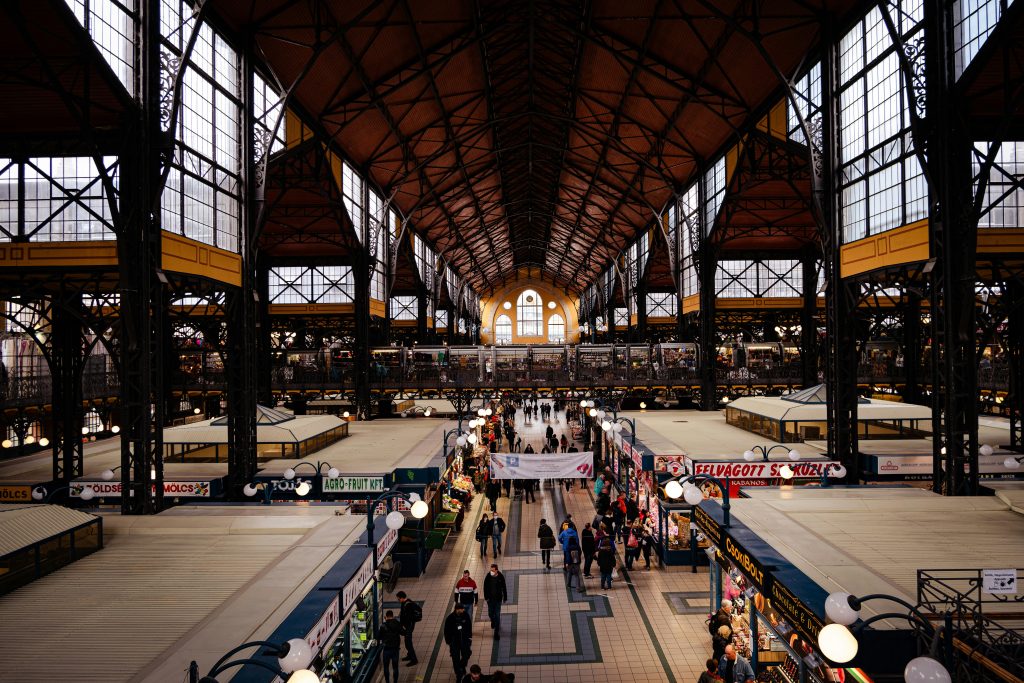
Almost every major city in Europe, Latin America, and Asia has a covered market or food hall where local vendors sell hot food at local prices. These aren’t tourist markets — they’re where residents buy lunch.
The food is typically fresh, regional, and a fraction of restaurant prices.
Find the set lunch menu
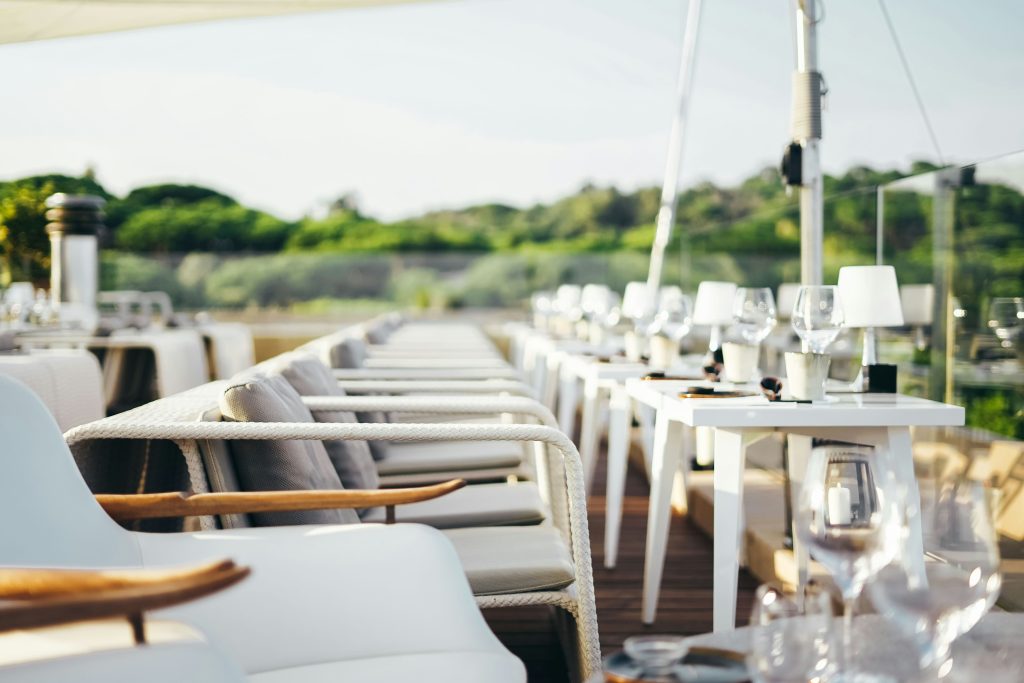
In France, Spain, Italy, and many other countries, restaurants offer a fixed-price lunch menu — a starter, main, and sometimes a drink — at a price significantly lower than ordering the same dishes individually in the evening. In France this is called the ‘menu du jour.’
In Spain, the ‘menú del día’ is a cultural institution. These menus are often only available on weekdays at lunchtime.
Supermarkets are your friend
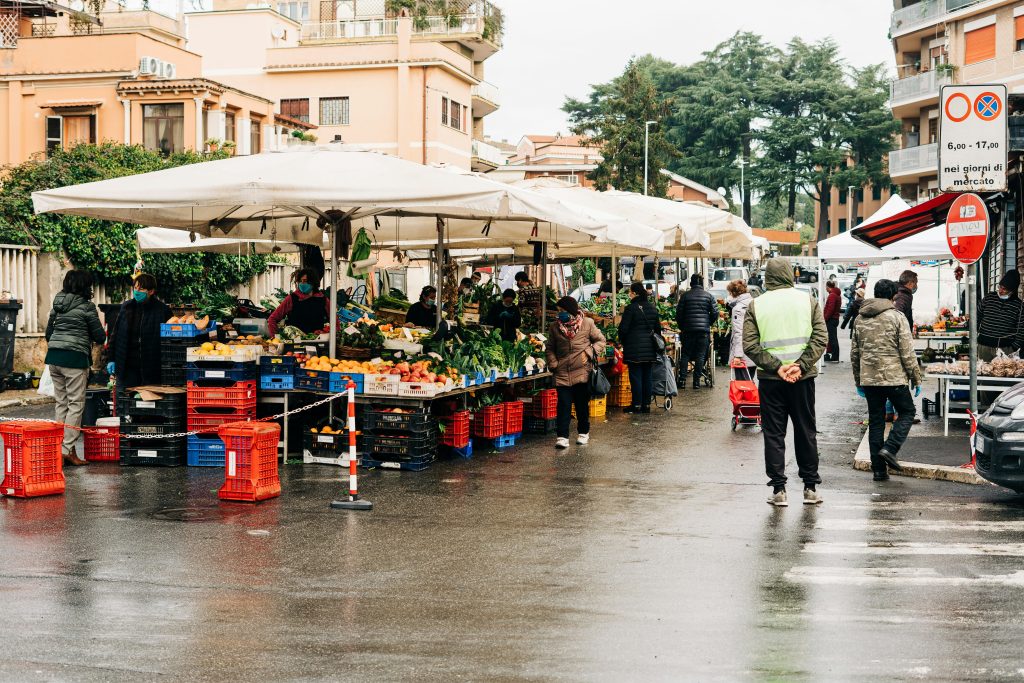
Local supermarkets are one of the most reliable ways to eat cheaply abroad. Fresh bread, cheese, fruit, cold cuts, and pastries assemble into an excellent picnic for a fraction of restaurant costs.
Many European supermarkets also sell very good ready-made hot meals at their deli counters.
Picnic in parks
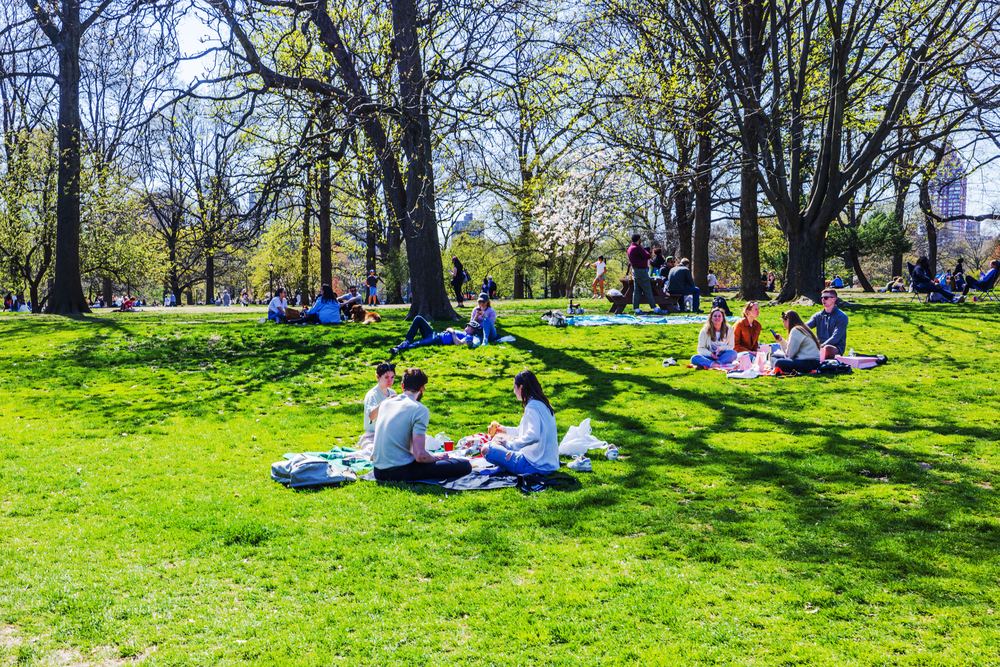
Combining supermarket shopping with a park visit turns a meal into an activity. Most major cities have excellent parks close to their main attractions.
Eating outside also sidesteps the challenge of finding a restaurant that can comfortably seat your whole family during busy tourist hours.
Look for bakeries
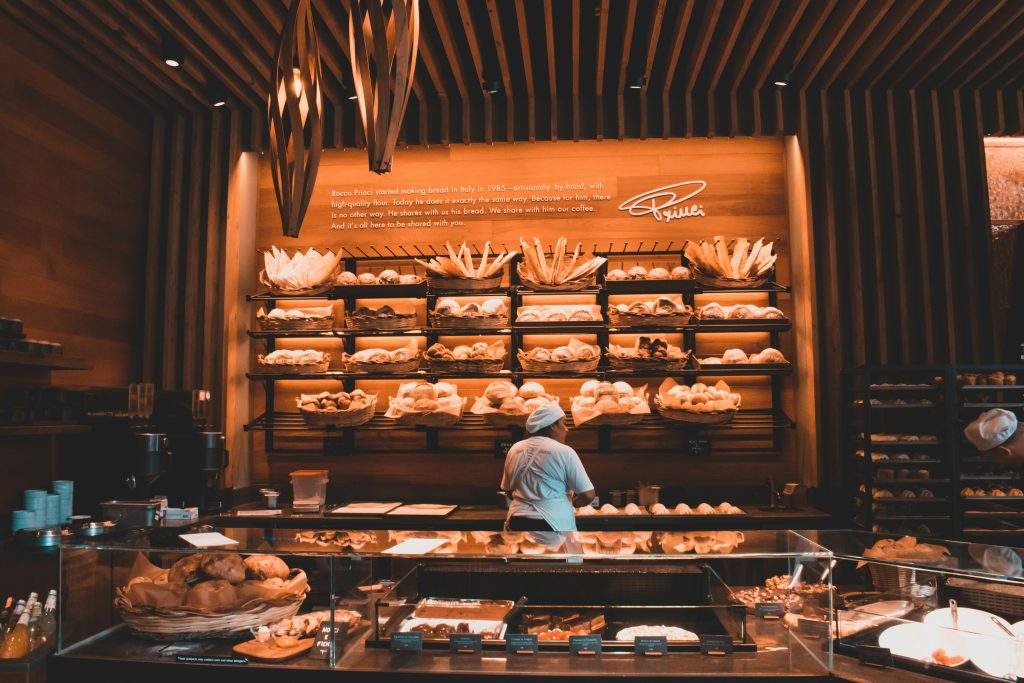
In countries where bread is a serious cultural institution — France, Germany, Turkey, Portugal — the local bakery often serves hot pastries, savory items, and sandwiches at very reasonable prices. A French boulangerie at lunchtime is one of the most reliable ways to eat cheaply and well simultaneously.
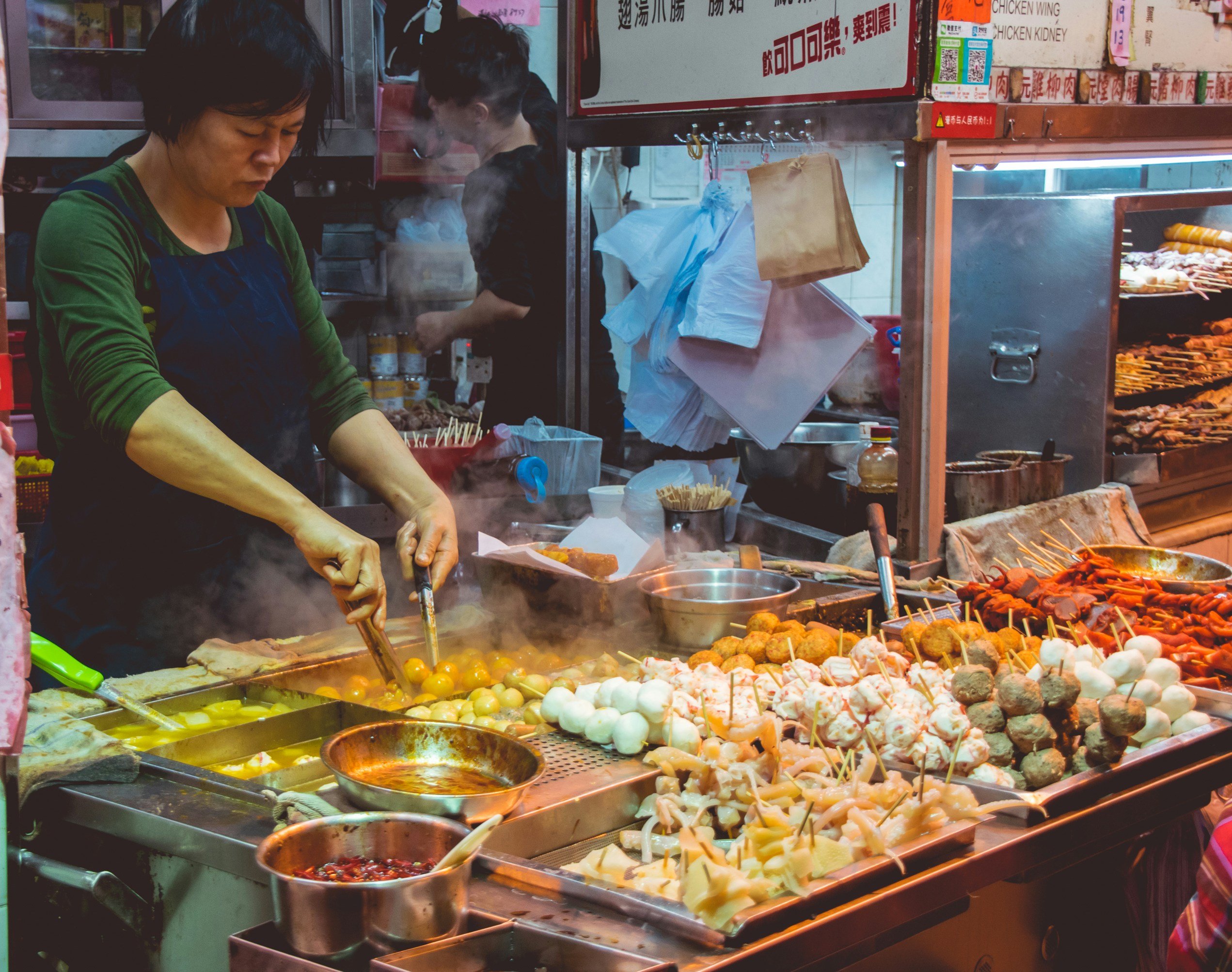
Try street food
Street food is the way millions of people eat every day in countries across Asia, the Middle East, Latin America, and parts of Europe. It’s often the most authentic, freshest food available, and it’s almost always dramatically cheaper than a sit-down restaurant.
Look for stalls with a queue of local people — that’s the best quality indicator available.

Search for university neighborhoods
Areas around universities in any city tend to have the highest concentration of inexpensive, good-quality restaurants. Students are a demanding and price-sensitive customer base, which keeps quality up and prices competitive.
A short walk into a university district is usually worth it.
Eat the big meal at lunch
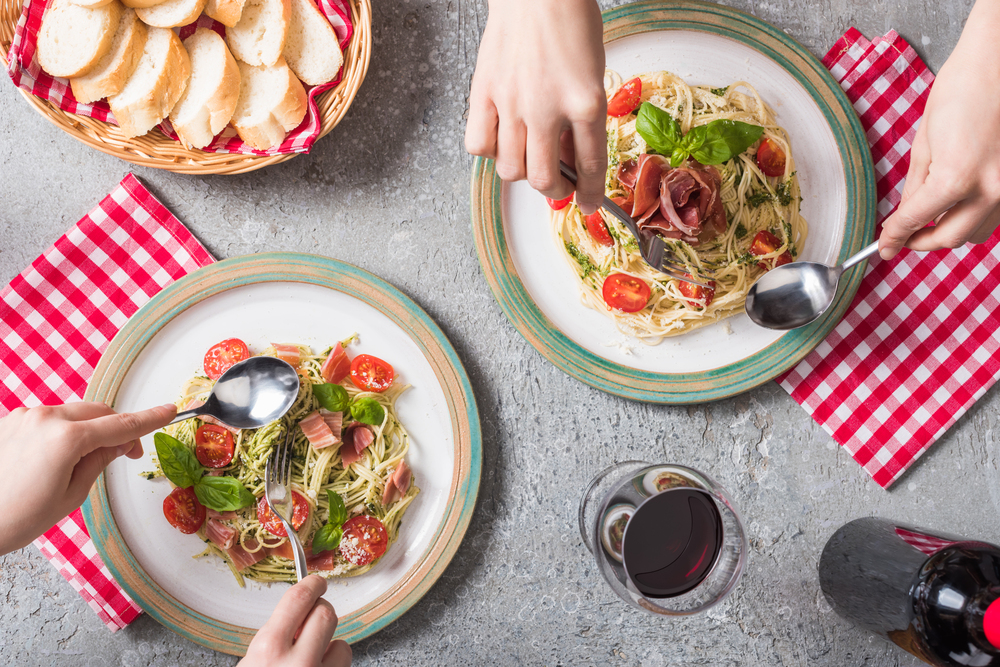
In many countries, lunch is the main meal of the day and dinner is lighter and less expensive. Reversing the typical tourist pattern — big dinner, light lunch — saves money without sacrificing the experience.
It also tends to suit children’s energy patterns better.
Download a local food app
Apps like Yelp, Google Maps, and TripAdvisor let you filter by price range and read reviews from local users. Searching specifically for restaurants reviewed by locals rather than travelers produces meaningfully different results.
A quick look at the reviewer’s profile usually makes it clear who is a local and who is visiting.
Try the local fast food equivalent
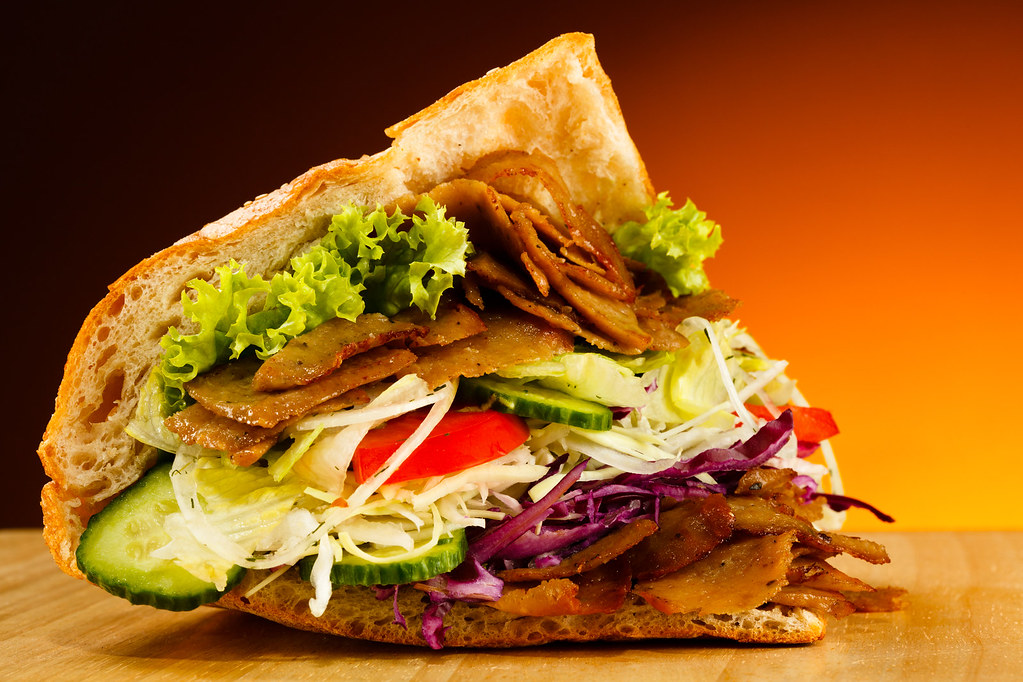
Every country has its own version of inexpensive, quick food — Turkish döner kebab, Japanese conveyor-belt sushi, Vietnamese pho noodle shops, Indian thali restaurants. These local equivalents are often much cheaper than international fast food chains and significantly more interesting.
Avoid airport and station restaurants
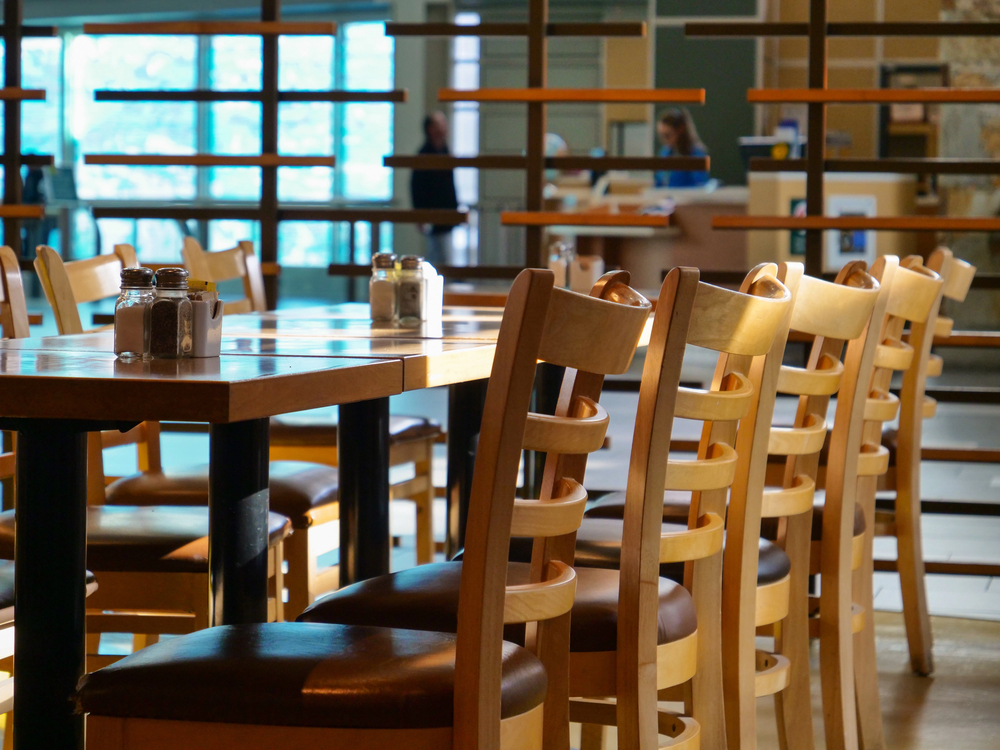
Transport hub restaurants charge premium prices for convenience. If time allows, eating before you reach an airport or station saves a significant amount, particularly for a family.
Even a supermarket stop en route is almost always worth it.

Ask hotel or guesthouse staff
Hotel staff — particularly at smaller guesthouses rather than large chain hotels — are often the best source of affordable restaurant recommendations. They know the neighborhood, they eat out locally, and they tend to give honest suggestions rather than the polished recommendations from a tourist office.
Visit ethnic neighborhoods
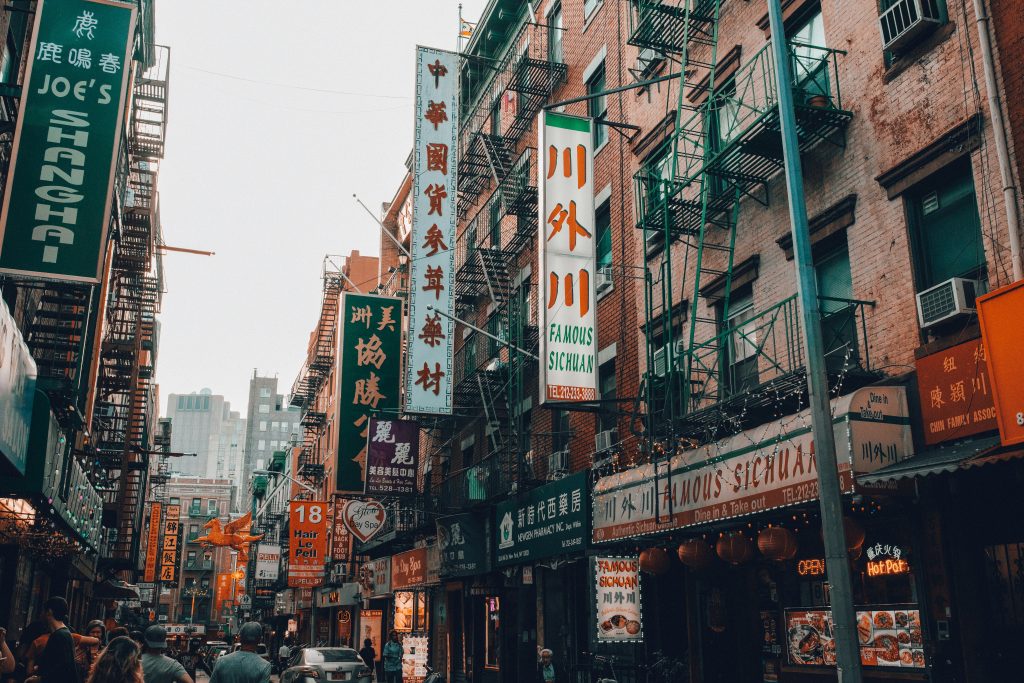
Most major cities have established neighborhoods centered around specific immigrant communities — Chinatown, Little Italy, a Turkish district, an Indian quarter. These areas tend to offer large portions of authentic food at lower prices than centrally located restaurants.
They’re also usually more welcoming to families with children.
Share dishes where appropriate
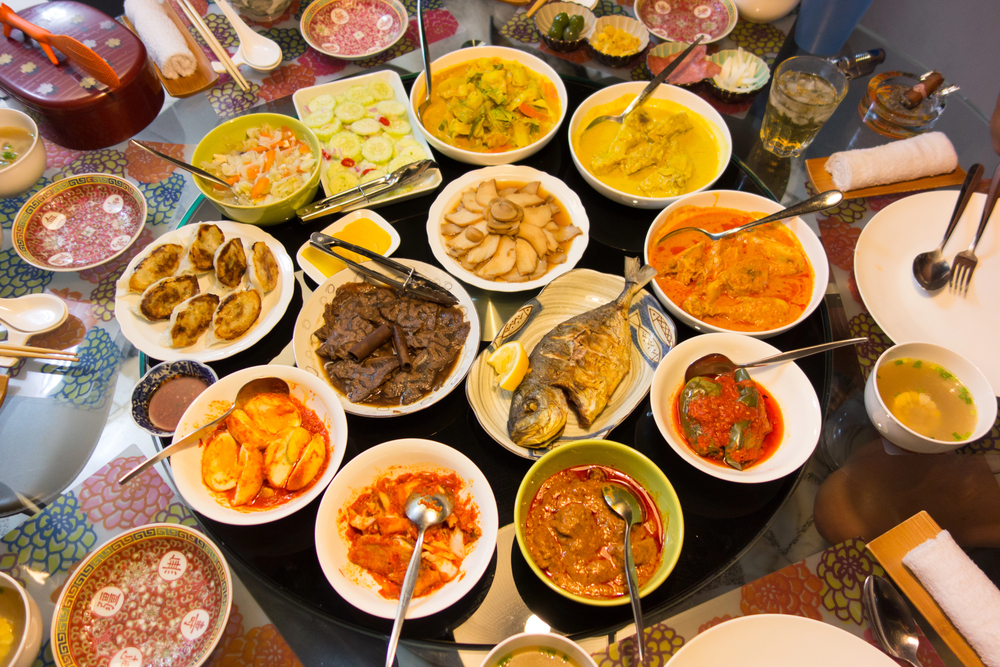
In many Asian, Middle Eastern, and Mediterranean food cultures, dishes are ordered for the table rather than individually. Sharing a spread of smaller dishes is both the culturally appropriate way to eat and generally a more cost-effective approach than individual main courses, particularly for children who may not finish a full portion.
Eating well doesn't require spending much
The most affordable meals abroad are often the most memorable — a market lunch eaten on a bench, a bakery pastry while walking, a shared feast at a table in a neighborhood far from the tourist trail. Spending less on food while traveling rarely means eating worse.
It usually means eating more like the people who actually live there.

More from Home As We Make It
- 18 Affordable Places to Retire in the U.S.
- Antique Glassware That’s Worth Collecting
- Stay-At-Home Jobs That Actually Pay
- 18 Forgotten Snacks from the ’80s and ’90s
- 20 Things That Make a House Look Cleaner Than It Is
Like Home As We Make It‘s content? Follow us on MSN.