

Neighborhood Tips That Make Local Life Feel Special
Living somewhere becomes different from just residing there when you actually engage with your neighborhood. Most people drive past the same businesses and houses daily without really seeing them or connecting with the community around them.
Small changes in how you move through and interact with your local area transform it from backdrop to home. These practices cost little or nothing but create a sense of belonging that makes ordinary places feel special.
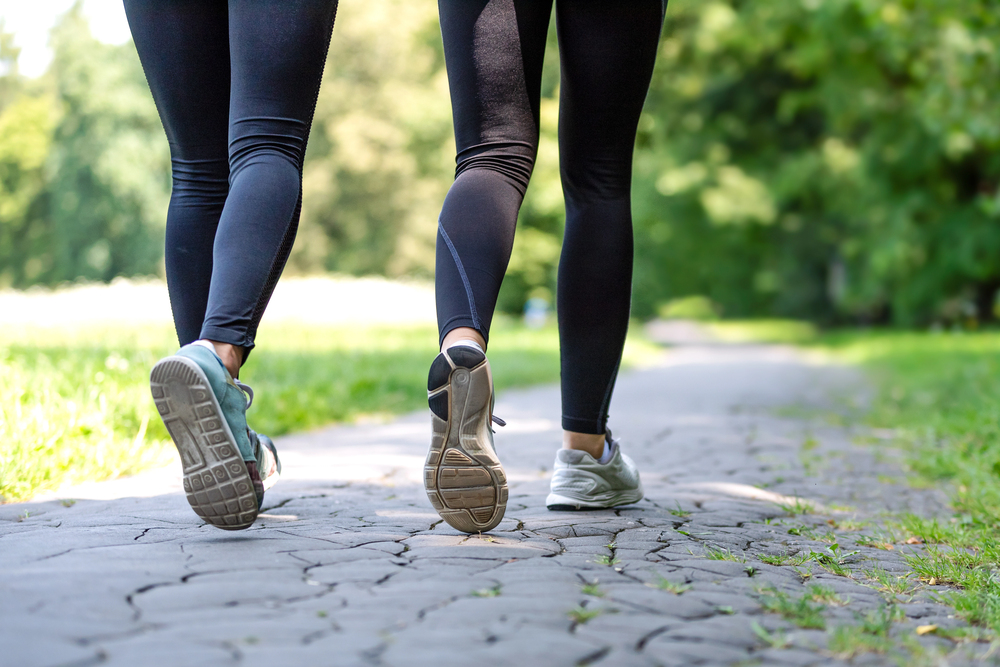
Walk or bike instead of driving when possible
Traveling at walking speed lets you notice details that disappear from a car—architectural features on houses, seasonal garden changes, small businesses tucked between bigger ones. You make eye contact with neighbors, wave to people sitting on porches, and become a familiar face rather than just another vehicle passing through.
Walking creates natural opportunities for brief conversations that don’t happen when you’re sealed in a car. You learn about the woman who always tends her roses at 7 a.m. or the guy who walks his dog the same route daily.
These casual connections build over time into the social fabric that makes a neighborhood feel like home.
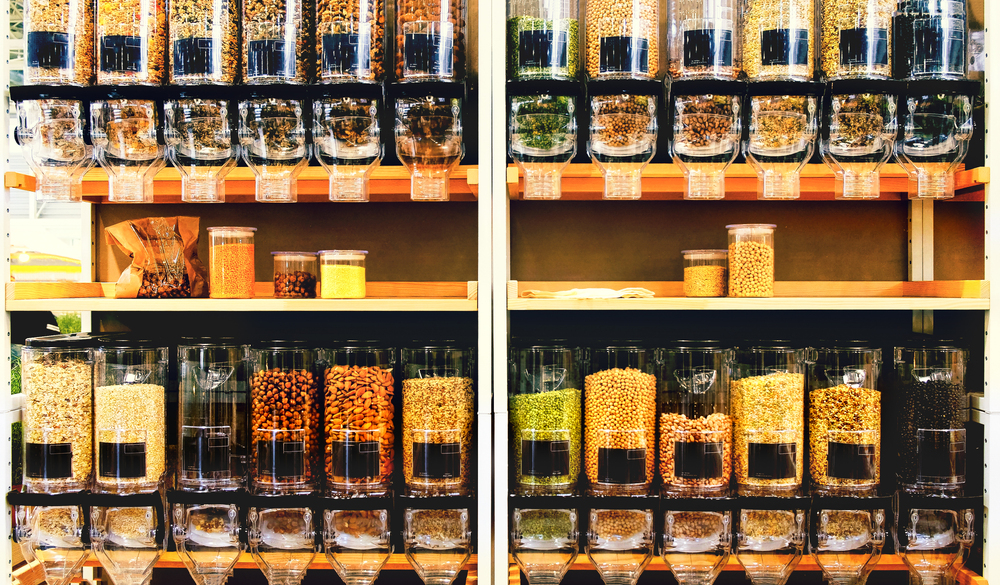
Shop at the same local businesses regularly
Pick a coffee shop, bakery, hardware store, or lunch spot and become a regular. The familiarity of being recognized, having your order known, or getting recommendations based on previous purchases creates a connection.
Local business owners remember regulars and often provide better service because of the relationship. This costs no more than shopping randomly at different places.
You’re just directing existing spending toward businesses where consistency builds relationships. Being known at three or four local establishments makes you feel rooted in ways that chain stores never create.
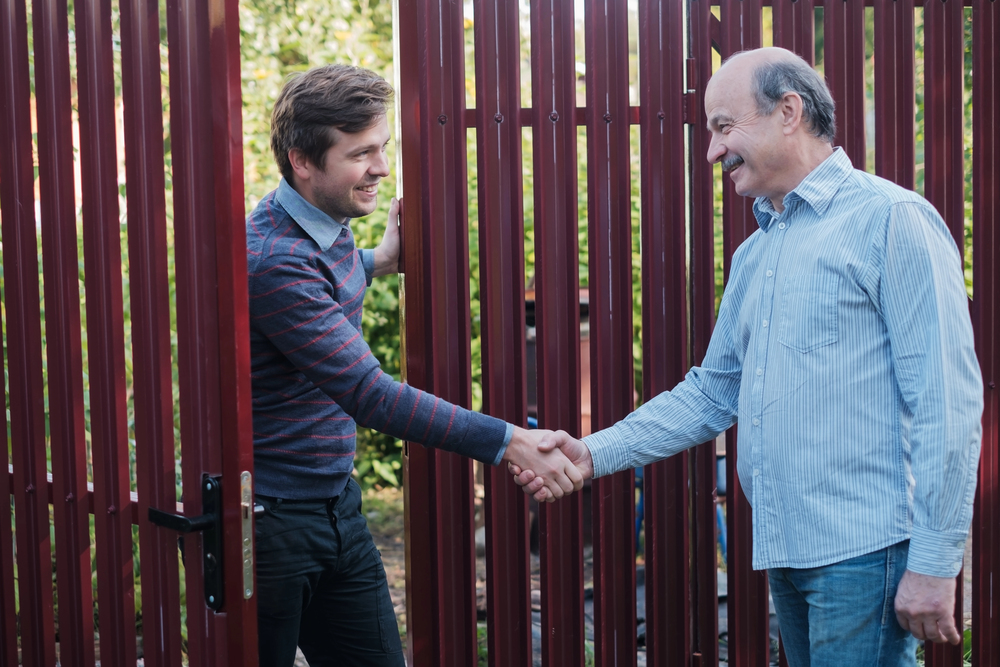
Learn the names of immediate neighbors
Knowing names changes interactions from polite nods to actual greetings. Make the effort to introduce yourself to people on either side and across the street.
Use names when you see neighbors out—it signals they’re individuals you recognize rather than generic people who happen to live nearby. This doesn’t require becoming best friends.
Simple acknowledgment creates community. Neighbors you know by name are more likely to watch out for your property, accept packages, or let you know about local issues.
The small social investment pays practical and emotional dividends.
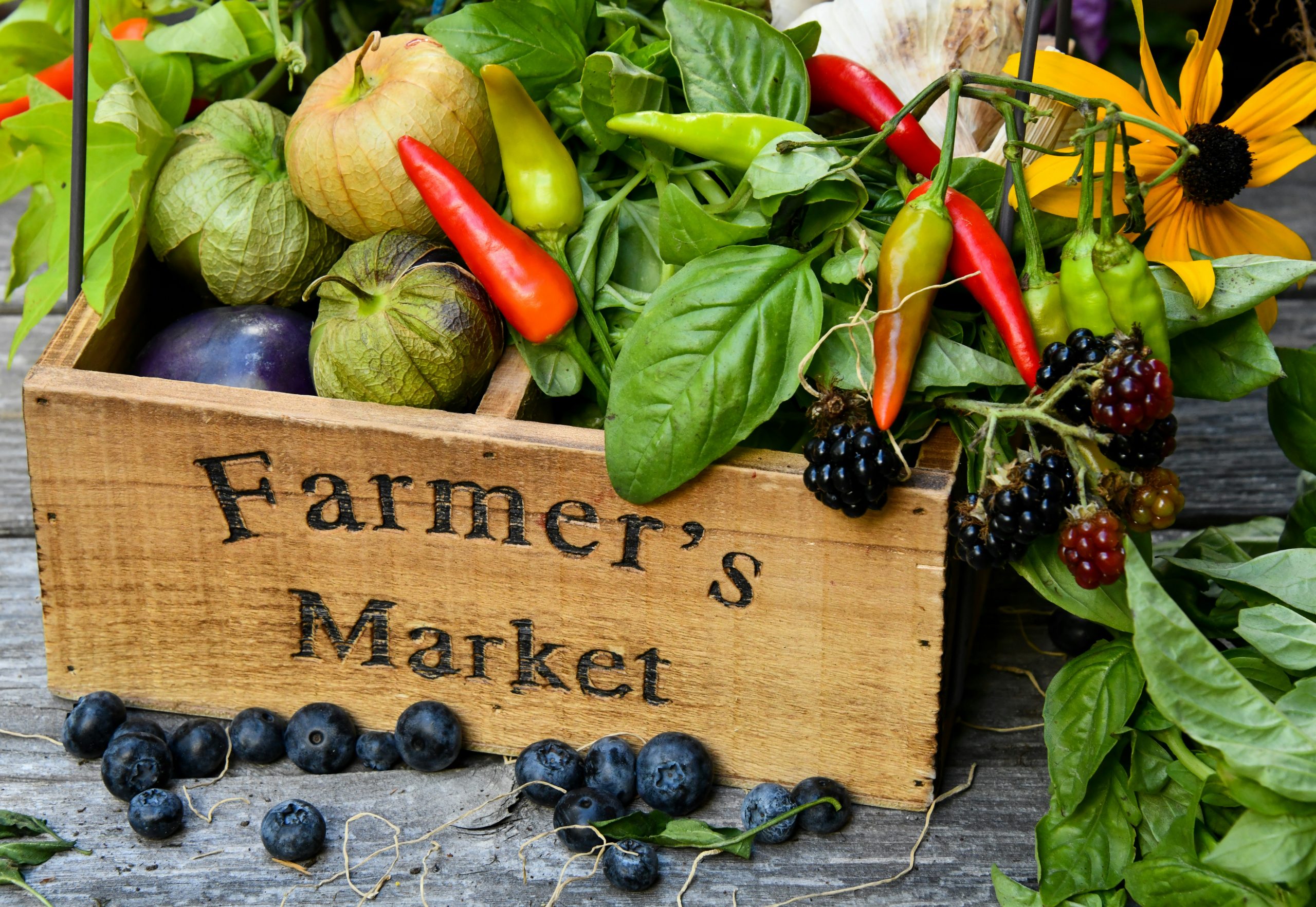
Attend one local event each season
Street fairs, farmers’ markets, community meetings, school events, library programs, or neighborhood cleanups all offer ways to engage. Attending regularly means seeing familiar faces and becoming part of the community fabric.
You learn about local issues, meet people beyond your immediate block, and develop investment in the area’s wellbeing. Pick events that genuinely interest you so attendance feels natural rather than obligatory.
One event per season is manageable without overwhelming your schedule. The visibility and participation signal that you’re engaged residents rather than just people who sleep there.
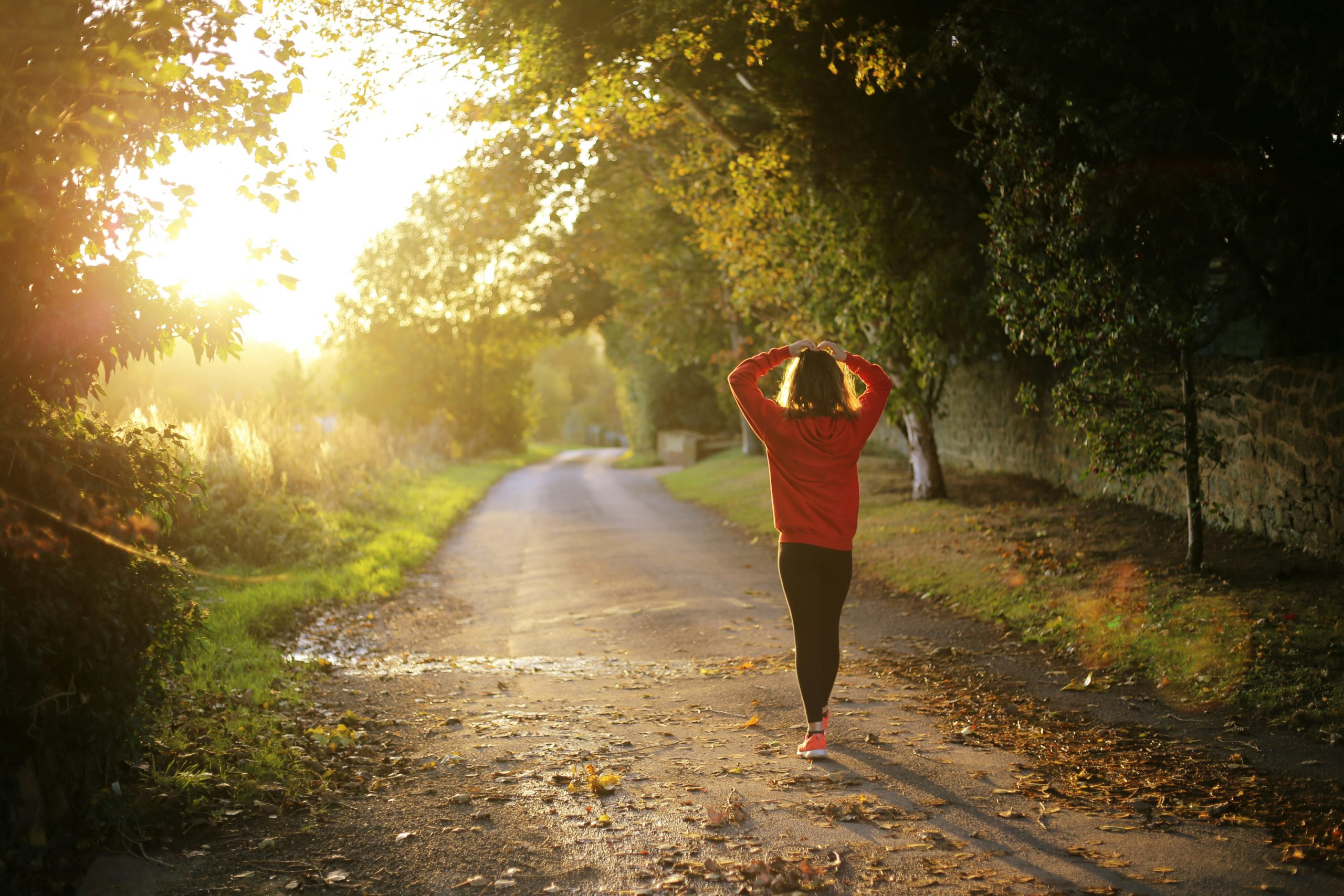
Take different routes on familiar walks
Even if you walk regularly, varying your route reveals neighborhood aspects you’d otherwise miss. Different streets have different architectural styles, gardens, or businesses.
Side streets often hide interesting houses or quiet parks that the main routes bypass. This exploration builds comprehensive knowledge of your area.
You discover shortcuts, find new favorite spots, and understand the neighborhood’s full character rather than just the route between your house and regular destinations. The variety also keeps walks interesting rather than becoming a mindless routine.

Support local independent businesses over chains
When choosing where to buy something available both locally and at chains, pick local. The money stays in your community, business owners become neighbors, and you develop relationships impossible at corporate stores.
Local businesses give neighborhoods a unique character that chains actively erase. This doesn’t mean shopping at chains—just being intentional about supporting local options when viable.
The cumulative effect of many residents making this choice determines whether neighborhoods maintain interesting local businesses or become identical corporate strips.
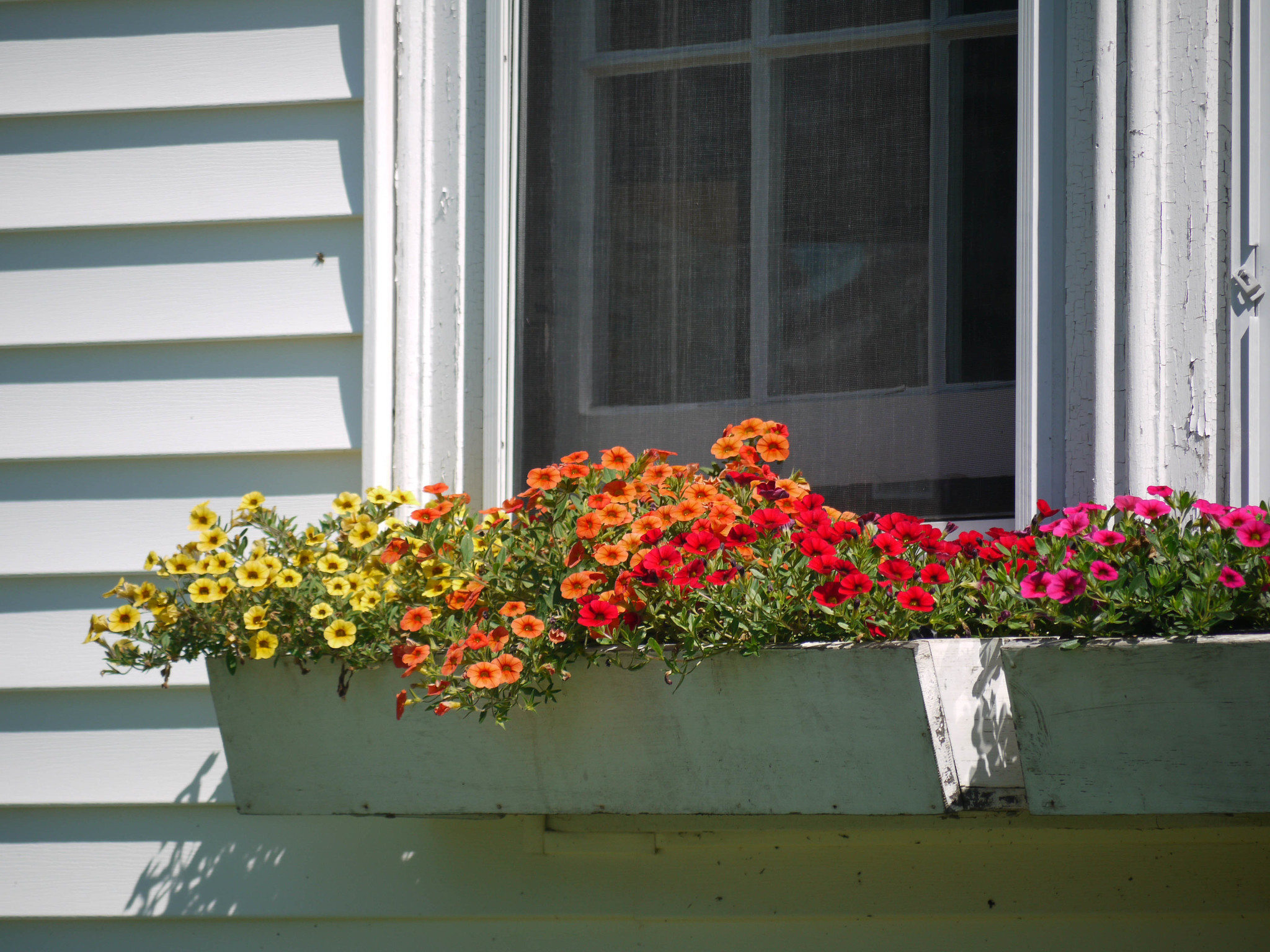
Plant something visible from the street
Gardens, window boxes, or even a potted plant by your front door contribute to neighborhood aesthetics. Your property becomes part of the collective visual landscape.
Neighbors appreciate the effort, which often inspires them to improve their own spaces, creating a positive feedback loop. This doesn’t require elaborate landscaping.
A few perennials, some flowering shrubs, or vegetables in containers all beautify the streetscape. The act of maintaining visible plantings demonstrates care for your property and neighborhood appearance.
It signals permanence and investment rather than transience.
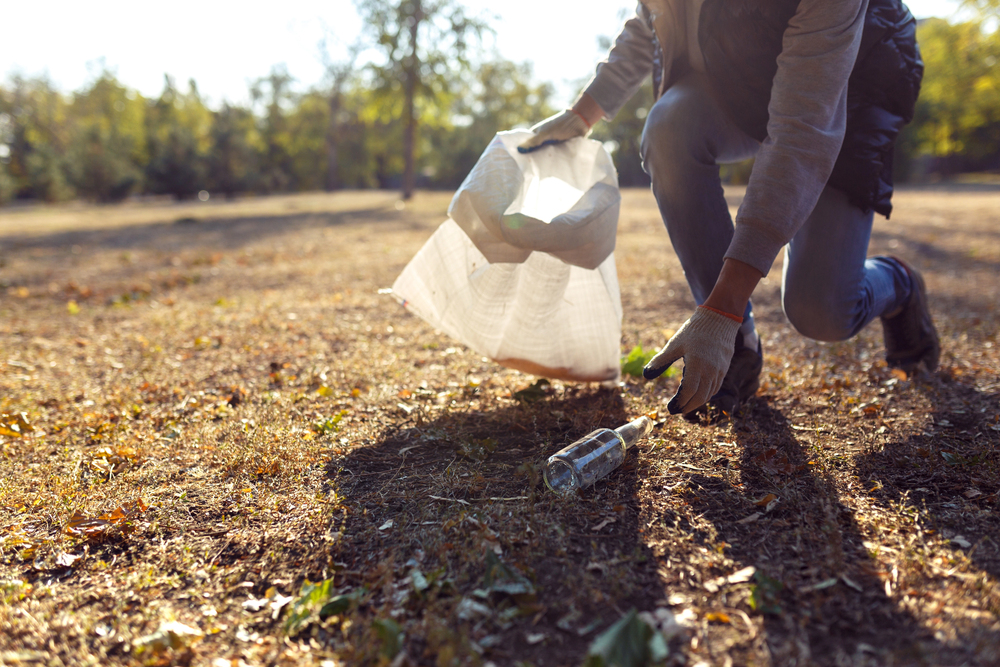
Pick up litter you see, even when it's not yours
Taking a bag on walks and collecting trash improves your neighborhood while modeling civic responsibility. The small action adds up when multiple residents do it.
Streets stay cleaner, and the visible care prevents further littering—areas that look maintained stay maintained because people respect them. This takes minimal effort but creates tangible improvement.
You’ll notice the difference within weeks. Other residents often follow suit when they see someone regularly picking up trash.
The collective impact transforms neighborhood appearance and changes how people treat shared spaces.

Know your local history and share it when appropriate
Learn about your neighborhood’s past—when it was built, what it used to be, notable events or people associated with it. Local libraries, historical societies, or longtime residents can provide information.
This knowledge creates a deeper connection to the place and interesting conversation topics.
Share relevant history when showing visitors around or talking with newer neighbors.
The stories add layers of meaning to ordinary streets and buildings. Understanding what came before contextualizes present circumstances and often reveals why things are the way they are.
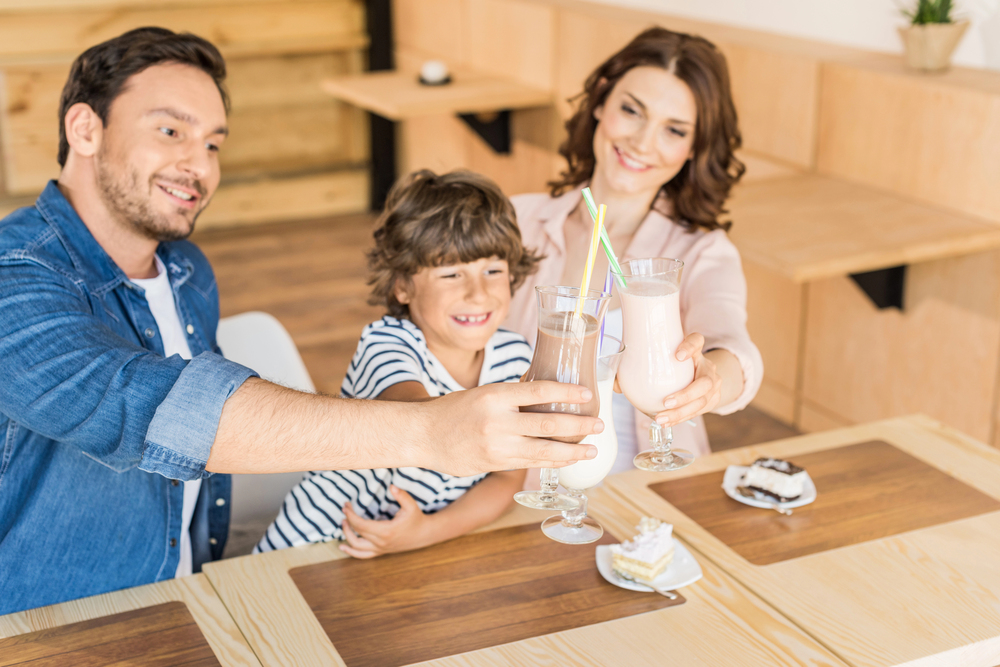
Patronize restaurants during off-peak hours
Local restaurants struggle more than chains during slow periods. Visiting for lunch instead of dinner, or going on Tuesday instead of Saturday, provides needed business during quiet times.
Owners and staff appreciate regulars who come when they need customers most. You also get better service and more opportunities to chat with owners during slower periods.
The restaurant experience improves when the place isn’t overwhelmed. Your loyalty during tough times builds relationships that chains simply can’t offer.
Owners remember who supported them through lean periods.

Participate in neighborhood communication channels
Join neighborhood social media groups, attend homeowner association meetings, or subscribe to community newsletters. Staying informed about local issues, upcoming events, and neighbor concerns creates investment in outcomes.
You can contribute ideas, volunteer for initiatives, or simply understand what’s happening around you. This doesn’t require constant engagement.
Reading posts occasionally and commenting sometimes is enough. The awareness connects you to the broader community beyond your immediate block.
You learn about resources, upcoming changes, and opportunities to participate that you’d otherwise miss.
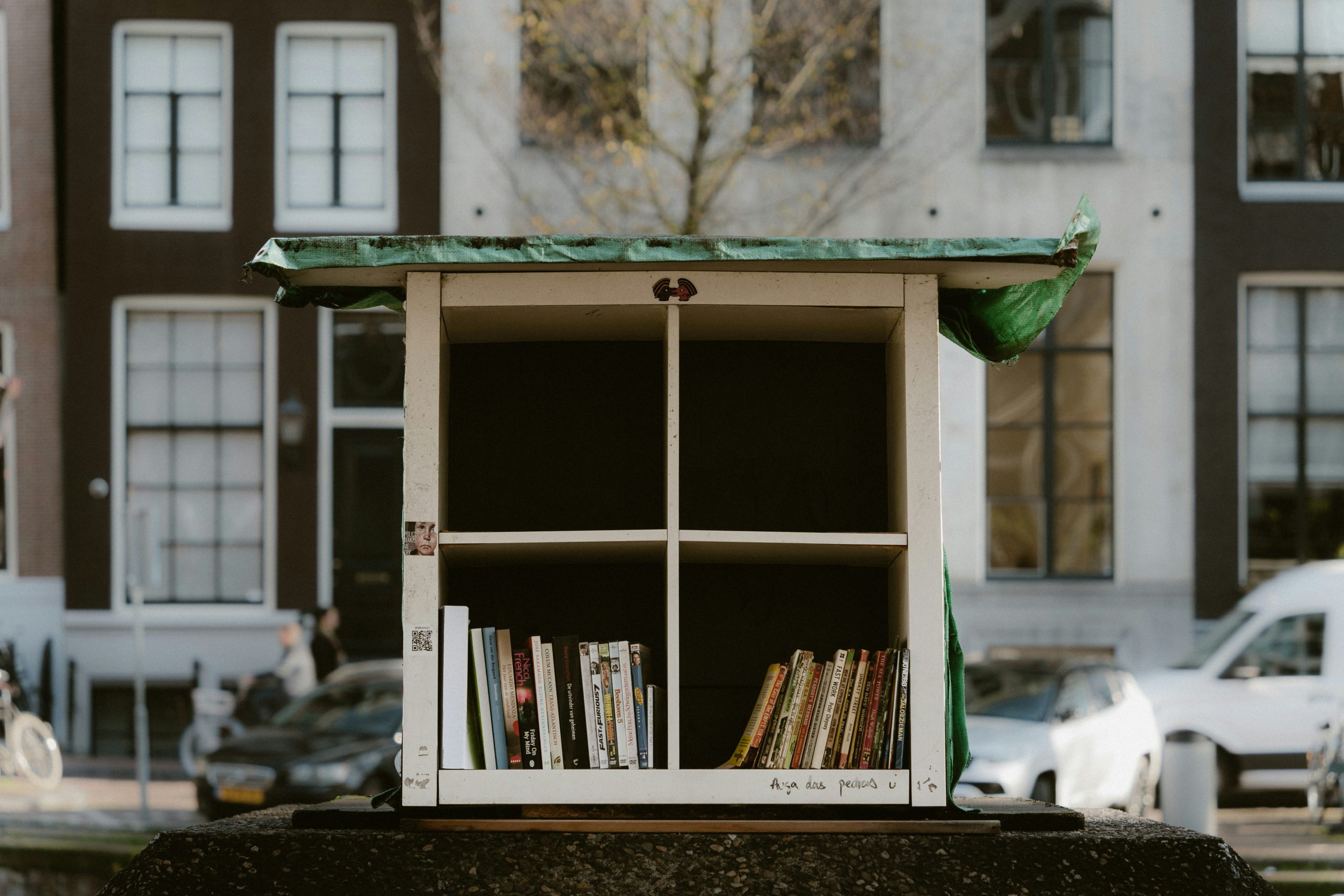
Create a little free library or community sharing station
Setting up a weatherproof box for book exchange, seeds, or other shareable items creates a neighborhood gathering point. These stations facilitate connection as people stop to browse and chat.
They signal openness and community spirit that invite interaction. Maintaining the station gives you regular touchpoints with neighbors.
You see who uses it, what they take and leave, and often end up in conversations about books or shared interests. These small community amenities improve neighborhood character while requiring minimal investment.
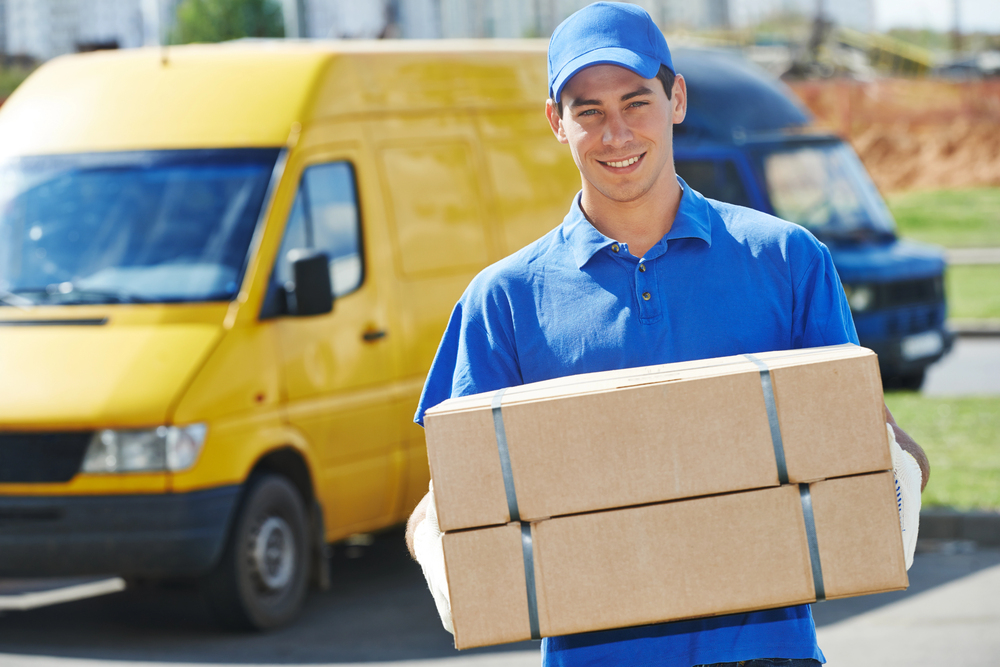
Acknowledge delivery people and service workers
Learn the names of regular postal carriers, garbage collectors, and delivery drivers. Offer water on hot days. Say thank you.
These workers are part of your neighborhood, too, and recognition makes their jobs more pleasant while creating friendly connections. Small kindnesses get remembered and often result in better service—packages placed carefully, extra attention to your stop.
More importantly, it builds a community that includes everyone who regularly moves through the area, not just residents. This expanded definition of neighborhood creates a richer social fabric.

Host a simple front-yard gathering occasion
An informal gathering in your front yard or on your porch—lemonade on hot days, cider in fall—invites casual neighbor interaction. No need for planned parties or invitations.
Just being visibly social in a public-facing space encourages neighbors to stop and chat. This works better than backyard events for building neighborhood connections because it’s accessible to people passing by.
The informality removes pressure. People can stop for five minutes or half an hour. These casual interactions build relationships that more formal gatherings often miss.
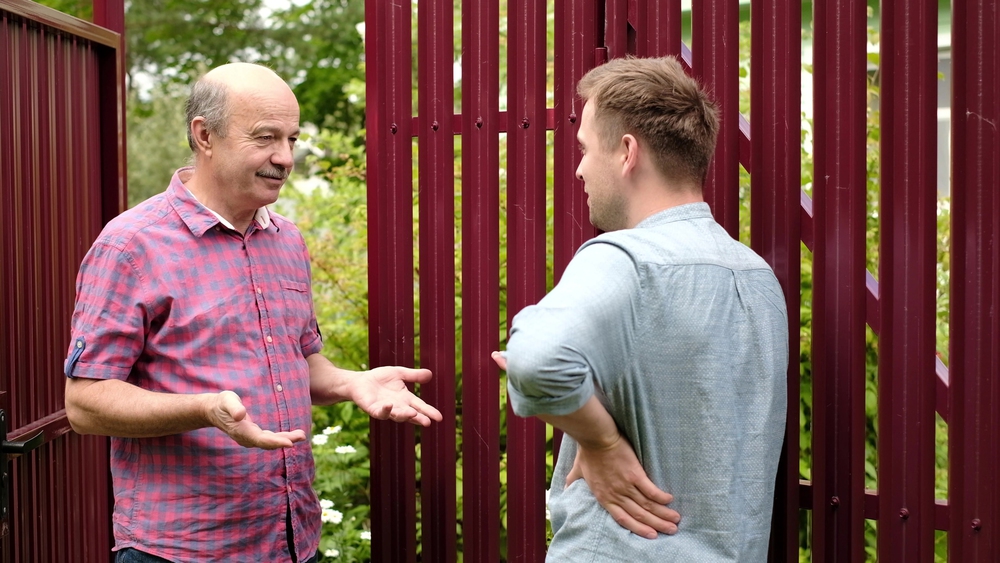
Notice and appreciate neighborhood improvements
A small comment can go a long way – telling someone you’ve seen their new flowers or fresh paint matters. Since folks tend to keep going once they feel recognized, pointing things out helps.
Effort often grows where attention is given, simply because people like knowing others see what they do. When one person notices, others might follow, quietly shaping how everyone treats their space.
A fresh coat of paint catches the eye more than a vague nod. Your neighbor notices when you mention the rose bushes by the gate, not just the yard.
Little remarks like that build warmth between people. Chances are, they will start chatting about where they bought the shrubs, who helped install them, maybe even ask your take on tulips next season.

What local engagement really creates
Start small if you want neighbors to matter more. A hello here, remembering someone’s name there – tiny things stick together like glue.
Local shops thrive when people walk in regularly, faces they know walking through the door. Shared sidewalks, parks, stairs – if everyone picks up one piece of trash, it stays clean without speeches or rules.
Over months, these moments pile up quietly. What was once just streets and houses begins feeling different somehow.
Belonging slips in when no one is looking. Place becomes meaning.
Back and forth it goes. Pour time into where you live, receive quiet returns – someone watches your door, shares tools, waves like an old friend.
Safety grows on sidewalks where people recognize one another. Running chores shifts from task to chat when shopkeepers call out your name.
When trouble comes, knowing a face beats filling out forms every single time. Life where you live turns out the way people decide to show up – not just for places, but for one another.
Building that kind of area means doing things differently instead of waiting for change to happen on its own.
More from Home As We Make It
- 18 Affordable Places to Retire in the U.S.
- Antique Glassware That’s Worth Collecting
- Stay-At-Home Jobs That Actually Pay
- 18 Forgotten Snacks from the ’80s and ’90s
- 20 Things That Make a House Look Cleaner Than It Is
Like Home As We Make It‘s content? Follow us on