
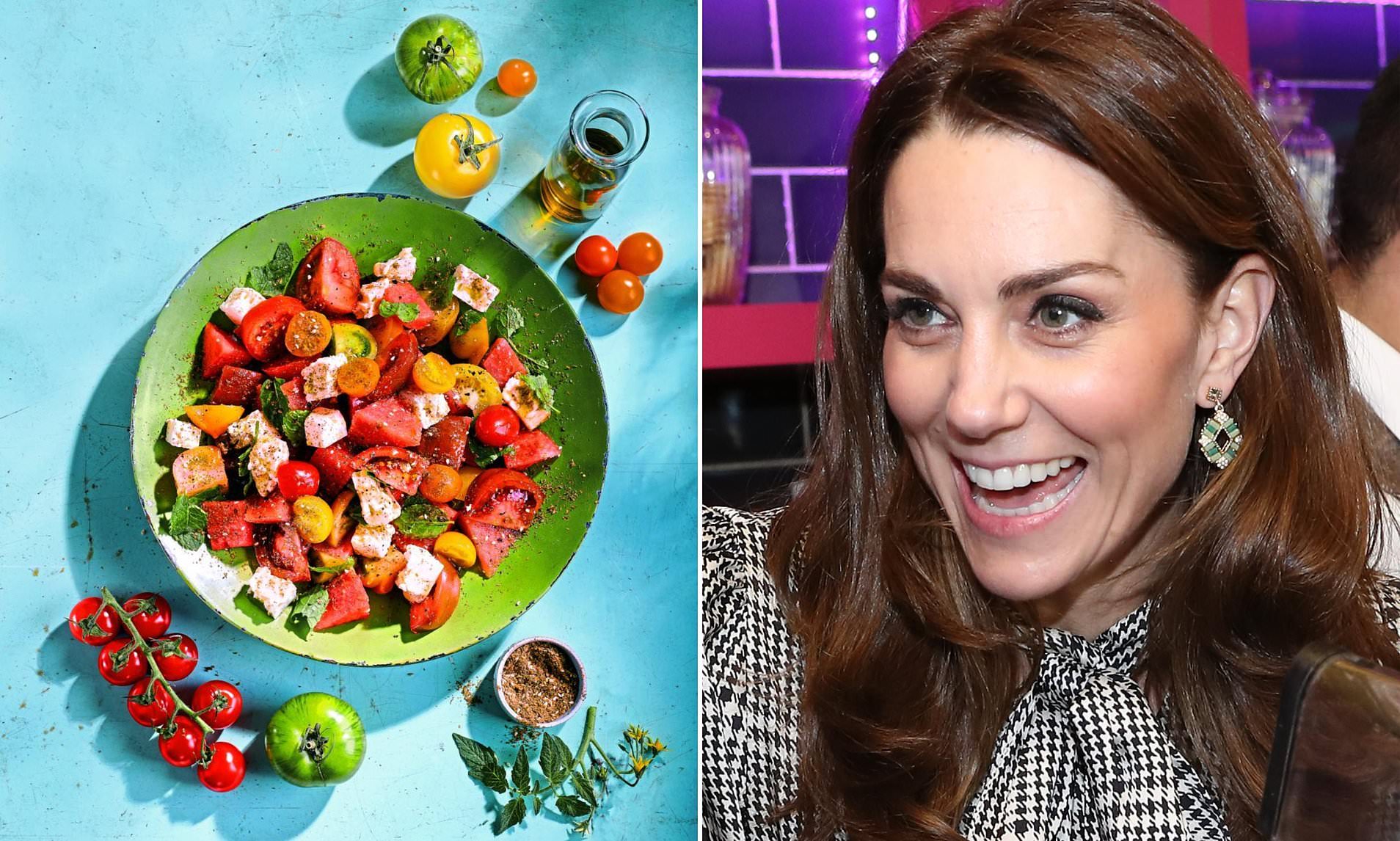
With her radiant skin, thick mane of glossy hair and athletic figure, the Princess of Wales is the epitome of a modern day Royal.
Ever since the now 44-year-old Kate Middleton began dating Prince William back in 2003, there's been a keen interest in what she wears, eats and drinks.
And whilst the mother-of-three has never formally shared what she eats on a daily basis, it's fair to assume that her typical diet - and having access to private chefs and top quality produce - plays a part in keeping her looking her best.
Over the years, her fans have been able to build up a fairly good picture of the senior Royal's daily meal plan.
And, the picture it paints is one which is abundant in slow-releasing, fibrous carbohydrates, raw vegetables and the occasional sweet treat, with the Princess reportedly always being up for trying something new.
She doesn't skip meals, and she's not opposed to a snack, with popcorn and goji berries some of her favourites.
And while she could easily eat at London's finest restaurants every night if she wished, it seems she's happier cooking at home, rustling up her husband's favourite roast chicken dinners, or making homemade pizzas with her three young children.
So what does Kate actually eat in a day to keep her skin radiant, her energy high and her tiara firmly secured? We worked out a typical menu and then asked registered nutritionist Rob Hobson to give his verdict...
Kate Middleton's typical daily menu
Breakfast
- Smoothie made with spinach, kale, matcha, spirulina, romaine and blueberries
- Porridge
Lunch
- Light, plant-based raw salads combining watermelon, avocado, onion, cucumber, mint and feta cheese
- Tabbouleh or lentil curry
- Gazpacho in the warmer months
Dinner
- Roast chicken
- Homemade curry
- Pasta or pizza
Desert
- Sticky toffee pudding as a treat
Snacks
- Olives
- Goji berries
- Popcorn
- Crudités
Our nutritionist's verdict...
'Overall, Kate's diet is largely wholefood based, with good plant diversity, which is a realistic and sustainable way to eat,' registered nutritionist Rob Hobson explains.
A bowl of porridge, a slow-releasing carbohydrate full of fibre, has long been considered one of the best ways to start the day - helping lower levels of bad cholesterol and protect the heart.
Oats are one of the richest dietary sources of beta-glucan, a type of soluble fibre which binds to cholesterol in the gut and stops it being absorbed into the bloodstream.
The fibre in porridge also aids digestion and bowel function, helping people feel fuller for longer making it the perfect option for a busy royal who has little time for mid-morning snacks.
If made with cow's milk, which is supposedly Kate's preferred way to eat it, porridge will also provide calcium, which is essential for keeping teeth healthy and bones string.
Aside from porridge, the Princess is known to kickstart her mornings with an antioxidant-rich green smoothie.
The combination of spinach kale and berries provides fibre, folate, polyphenols, and vitamin C Hobson explains, which is known to nourish the skin from the inside out.
These compounds are vital for heart, brain and nerve function, blood sugar control and muscle growth.
Scientists have even found a direct connection between how much vitamin C people eat and how well their skin produces collagen - a protein which is essential for the structure of skin and joints - and renews itself.
Published in the Journal of Investigative Dermatology, the study found that skin health responds to dietary vitamin C, not just miracle moisturisers - of which Kate probably has many.
Following a nutrient dense breakfast, Kate typically goes for a lighter lunch, focused around raw wholefoods.
'Lunch choices such as lentil curry, tabbouleh and salads built around ingredients like watermelon, avocado and feta suggests a Mediterranean-style influence rich in fibre, healthy fats and plant diversity,' Hobson said.
'Lentils in particular are excellent for gut health and blood sugar stability whilst raw dishes and lighter plant-based meals can work well nutritionally provided there is enough protein across the day to support muscle health and satiety,' he added.
Lentils again are a great source of soluble and insoluble fibre, with just half a cup containing around 8g, which is around a third of a women's daily recommended amount.
Insoluble fibre, which remains largely intact as it travels through the digestive system, helps prevent constipation by keeping people regular, reducing the amount of time potential toxins spend in contact with the bowel lining, decreasing the risk of bowel cancer.
The fibre in lentils also acts as a prebiotic, which feeds the beneficial bacteria in the gut and produces short-chain fatty acids which are thought help fight inflammation, Hobson added.
A Mediterranean style diet has also been shown to decrease inflammation, which is crucial when it comes to warding off neurodegenerative disease like Alzheimer's.
Kate's snacking habits fall firmly within the lauded diet style, with olives being one of her favourites.
Olives are rich in healthy fats, the majority of which are monounsaturated omega-9 fatty acids, which have found to reduce inflammation and stress, and support heart health.
'Olives, fruit, vegetables and ever n popcorn are nutrient-dense choices compared to typical ultra-processed options, while goji berries add polyphenols,' Hobson explained.
'Dinner appears more traditional and balanced. Roasted chicken, curries and even pasta or pizza can all fit within a healthy pattern, depending on portion size and how they’re prepared.'
The classic roast chicken is not only a culinary staple in many households, it also offers a big boost to health.
Rich in selenium, which helps support thyroid function and the immune system, chicken ticks a lot of boxes for active people or anyone trying to maintain their physique.
Brown meat from the legs and thighs is slightly higher in saturated fat, whilst containing more zinc and iron, which is particularly beneficial for women who lose iron with their periods every month.
Eating a diet high in saturated fat can drive up levels of so-called bad cholesterol, which can block up the arteries and increase the risk of coronary heart disease, heart attack and stroke.
The Princess also tends to eat seasonally, and unlike other royals doesn't completely avoid seafood, having experimented with various raw fish - such as large water clams which are packed full of zinc.
Perhaps surprisingly, Kate is known to save room for dessert with the family previous chef Darren McGrady revealing that he sticky toffee pudding is the Princess' favourite sweet treat.
Hobson said: 'Whilst sticky toffee pudding is clearly more indulgent than nourishing, enjoyment is part of a sustainable diet.'
She is also known to enjoy a gin and tonic after putting her children to bed, and raising a toast is expected at formal banquets.
Previously, research has suggested that an occasional tipple could benefit brain health.
Hobson says an occasional G&T is not necessarily cause for concern, and very different from daily intake - which can put untold stress on the liver and influence sleep and recovery.
So what is Hobson's final verdict - does the nation's favourite Princess' diet earn the royal seal of approval?
He says: 'From a nutritional point of view, Kate's diet is varied, largely whole-food-based diet with good plant diversity, balanced by the occasional traditional treat which is a realistic and sustainable way to eat.'
Read more