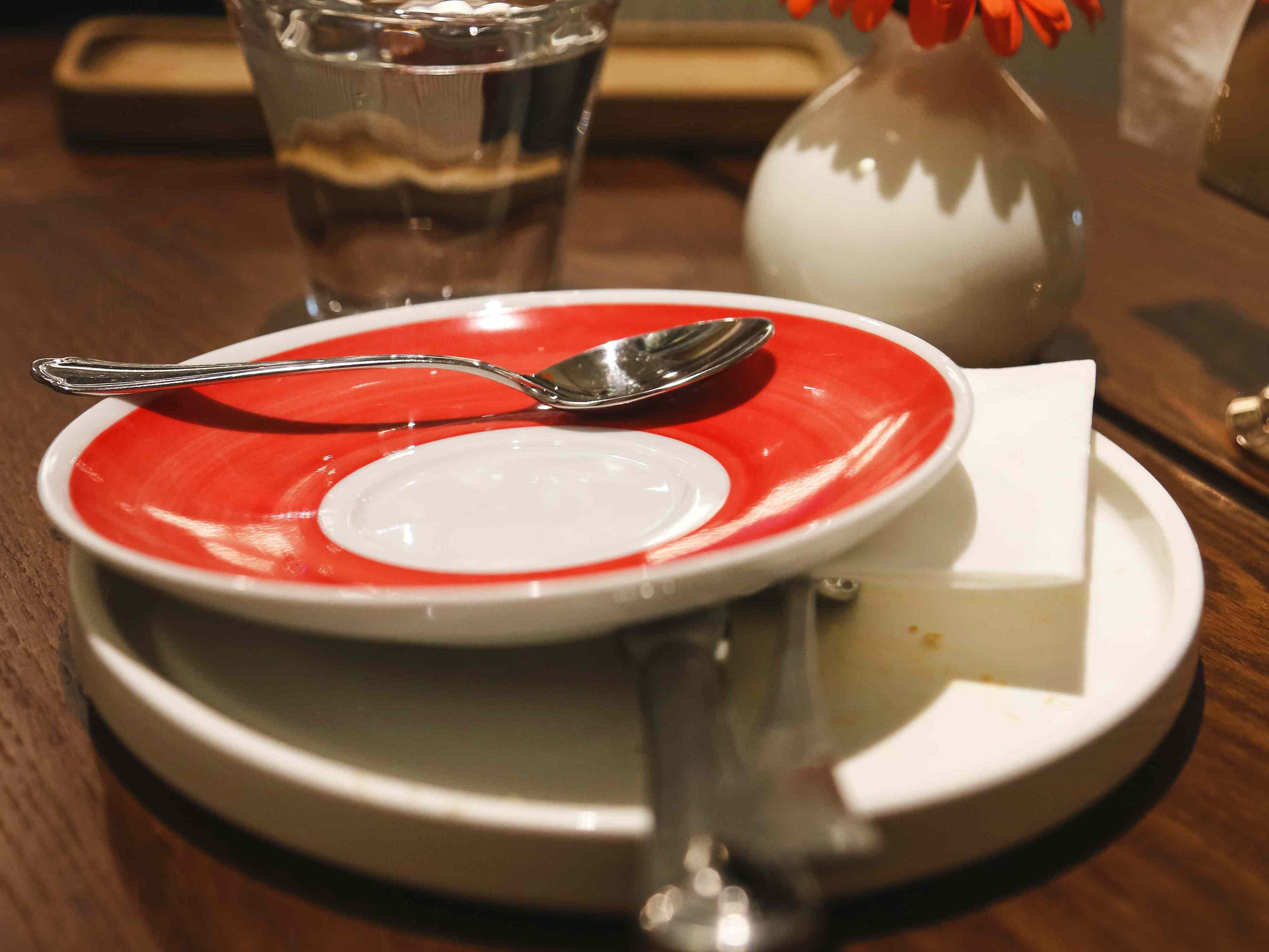
Here’s what happens if you overstay your welcome.
There are certain aspects of restaurant etiquette that are crystal clear. Yes, you should tip. No, don’t wait until the end of the meal to alert your server if you’d like to split the check.
But other details are a little fuzzier. Should you stack your plates to help speed up cleaning the table? (Skip it, the pros say.) Or is it wise to inquire about what the server’s favorite dish might be on the menu? (Try “what dish best showcases the chef’s talents?” instead.)
The conundrum of how long you can camp out at your table after closing out certainly falls into the latter camp. Even etiquette experts like Jacqueline Whitmore, founder of the Protocol School of Palm Beach, Florida, admits that “the answer is, ‘it depends.’”
Read on to learn more about why—and to score a rough rule of thumb from the pros so you can be a patron the restaurant looks forward to welcoming again.
How Long You Can Stay in a Restaurant After Paying, According to Experts
There is no set time limit when it comes to staying after paying, Whitmore says. Still, as a general rule, aim to depart within 15 to 20 minutes of closing out your tab, our trio of experts agree.
“This provides enough time to wrap up conversations, finish drinks, and gather your belongings. Your aim should be to enjoy your stay, but not hold up the next guests,” explains Jules Martinez Hirst, owner of Etiquette Consulting Inc. in Los Angeles, California. “Restaurants depend on table turnover to serve all of their guests. Leaving in a timely manner shows your respect for the restaurant, the staff and fellow diners.”
In these scenarios, it’s important to “read the room,” advises Nick Leighton is a New York City-based co-host of the weekly etiquette podcast, “Were You Raised By Wolves?” Look around, take mental notes, and ask yourself:
- Is the restaurant busy?
- Are other folks waiting near the entrance, or does it seem like there might be a waiting list?
- Does the staff know that you are celebrating anything special, like a birthday or anniversary, that might warrant staying longer?
- Is it close to closing time? (Some signs of this include the lights being turned up, the staff cleaning, your server alerting you that the kitchen is closing, or few to no other tables remaining.)
Once you pay, you don’t have to sprint out the door. But “awareness leads to elegance,” Hirst says. Plan to wrap things up on the quicker side if your answer is “yes” to any of those questions. If the staff invites you to linger, then it’s okay to extend that 15-minute window. That said, if you do plan to stick around, “be sure to tip accordingly,” Leighton says, as you’ll be using real estate in your server’s section for additional time.
What Happens if You Overstay Your Welcome
Dawdling can increase stress and lower earnings for the restaurant all night long. Being mindful of the length of your stay helps you contribute to a positive atmosphere for the team and fellow diners, Hirst notes.
“If you overstay your welcome, the consequences can snowball,” Leighton warns. “The restaurant might not be able to turn over the table as many times during the evening as they’d like, resulting in lower revenue. The next reservation is made to wait longer than needed. And they’ll either be rushed through their meal or the people after that will have to wait longer than necessary, too.”
What to Do If the Party Isn’t Over
If you’d like to extend your time beyond the 15-minute mark, consider relocating to the bar area (if it’s still open and there’s room available), shift to a nearby venue, or take a stroll together outside, Leighton and Hirst suggest.
“These choices allow you to continue enjoying your group while allowing the restaurant to continue with its business,” Hirst says. “Courtesy is the most gracious exit.”
Read the original article on Allrecipes