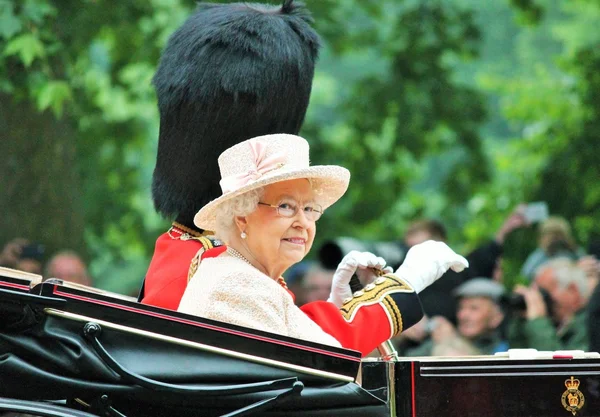
In royal kitchens which were set up to celebrate a banquet, the late Queen Elizabeth II was fond of a lunch that was scarcely what you would call a “meal” at all: grilled Dover sole and spinach or courgettes wilted. And the former royal chef, Darren McGrady, put it in perspective as a habit but not a hardship: “She eats to live, unlike Prince Philip who loves to eat and would stand and talk food all day.”
That plate is pleasant in its moderation. Making a lunch out of a lean fish and a green vegetable makes something that fills up but does not weigh down as well as one that makes something predictable but not dull. It is also indicative of a trend in most longevity-oriented types of eating: a reduction in the number of ultra-processed foods, a reduction in added sugars, and more meals constructed using recognisable ingredients.
The fish-greens combination has a variety of basics in one nutrition. Dover sole is high-quality protein and, as a large part of the fish, is also associated with omega-3 fatty acids which are known to support the heart and the brain and reduce the levels of inflammatory signalling. Leafy greens and summer squashes provide fibre and a combination of micronutrients, which help the digestive system and maintain energy levels. Combined with the fact that it is lower on the glycaemic scale than a lunch heavy on refined starches, this is important to those who experience afternoon drowsiness following a high-carbohydrate meal. McGrady has also outlined a simple personal rule in situations when the Queen was eating on her own: “no starch”, that is, fewer potatoes, or rice or pasta with the lunch.
The second secret in the simplicity is repetition. An easy-to-cook yet easy-to-savor meal may end up becoming a default in the long term and long-term defaults tend to be more persuasive than so-called “perfect” days. The one-course lunches of the Queen, which Tom Parker Bowles has also mentioned in Cooking & The Crown, imply that food should not challenge the work of the day. Such an attitude reflects a theme recounted in studies-based profiles of individuals who have made it to 100: habits are generally steady, and meals are generally low-key, not showy.
Other longevity studies also indicate a wider trend of plant-based dieting. A single summary of centenarian eating habits points out that the content of meals in the so-called Blue Zone areas is predominantly plant-based, and vegetable, legume, nut, and tuber products are much more common than meat. It also presents an outcome of a study that found a 23% reduction in inflammation indicators with increased dietary diversity in one study outlined in the same roundup. The lunch of the Queen was not a completely vegetarian scheme, but it falls under the same pragmatic logic: vegetables are the base, animal protein in a less substantial position, and minor dependence on processed food.
The same rationale is also found in the change in King Charles II to a noon bite. He started to eat half an avocado as a meal to keep him going throughout the day after years of not eating lunch, and this was said to be consumed “with some reluctance.” Avocado supplies fibre, dense fat sources of energy, and can make a small serving seem like a large one, this is a trick the Queen used too, although it is a smaller range of food, with little nutrients, but picked to serve its purpose, not necessarily its enjoyment.
The least notable aspect of a culture of fancy meal planning and the changing of so-called “super food” might be the amount left on the plate. It was not complex, but consistent that made it remarkable.