Modern wardrobes are no longer built around labels like "workwear," "mom style," or "weekend outfits." Today's approach to dressing centers on flexibility. People want clothes that move easily between responsibilities, social plans, and downtime without requiring constant outfit changes. This shift has made versatile fashion pieces and everyday wardrobe essentials the foundation of contemporary lifestyle fashion.
Rather than dressing for a single role, many individuals now prioritize pieces that adapt to real life. Whether someone is managing a busy household, working remotely, commuting, or simply valuing comfort and polish, the core wardrobe needs are more similar than different.
Why Fashion Staples Matter Across Lifestyles
Fashion staples are the reliable pieces worn repeatedly in different settings. They are not trend-driven and they do not rely on a specific lifestyle to be useful. Their value comes from consistency, comfort, and adaptability.
Key reasons staples work across lifestyles include:
- They reduce decision fatigue by creating easy outfit combinations
- They support frequent wear without looking repetitive
- They balance comfort with structure for varied daily routines
In lifestyle fashion, the focus is not on dressing for an identity but dressing for movement, time constraints, and personal style preferences.
What Makes a Clothing Item Truly Versatile?
Not every basic item qualifies as versatile. A piece earns that label when it performs well in different contexts with minimal styling effort.
Versatile fashion pieces typically share these qualities:
- Neutral or muted color palettes that pair easily
- Silhouettes that allow movement without appearing sloppy
- Fabrics that hold shape and withstand regular wear
Versatility is less about minimalism and more about function. A single garment should work with multiple shoes, layers, and accessories without feeling forced.
Everyday Wardrobe Essentials That Fit Multiple Routines
Structured Yet Relaxed Tops
A well-fitted knit top, button-down shirt, or elevated t-shirt forms the backbone of many outfits. These pieces can appear casual or refined depending on how they are styled.
Why they work:
- Easy to layer under jackets or cardigans
- Comfortable enough for long wear
- Polished enough for social or professional settings
Common styling options include:
- Tucked into tailored pants for a clean look
- Worn loose with denim for everyday errands
- Layered with outerwear for temperature changes
Straight-Leg or Relaxed Denim
Denim remains one of the most reliable everyday wardrobe essentials. Straight-leg and relaxed fits have replaced rigid skinny styles because they offer comfort without sacrificing shape.
Benefits include:
- Ease of movement
- Compatibility with flats, sneakers, and boots
- Long-term wearability across seasons
Denim functions as a neutral base that supports many outfit formulas without requiring frequent replacement.
Midi Dresses and Shirt Dresses
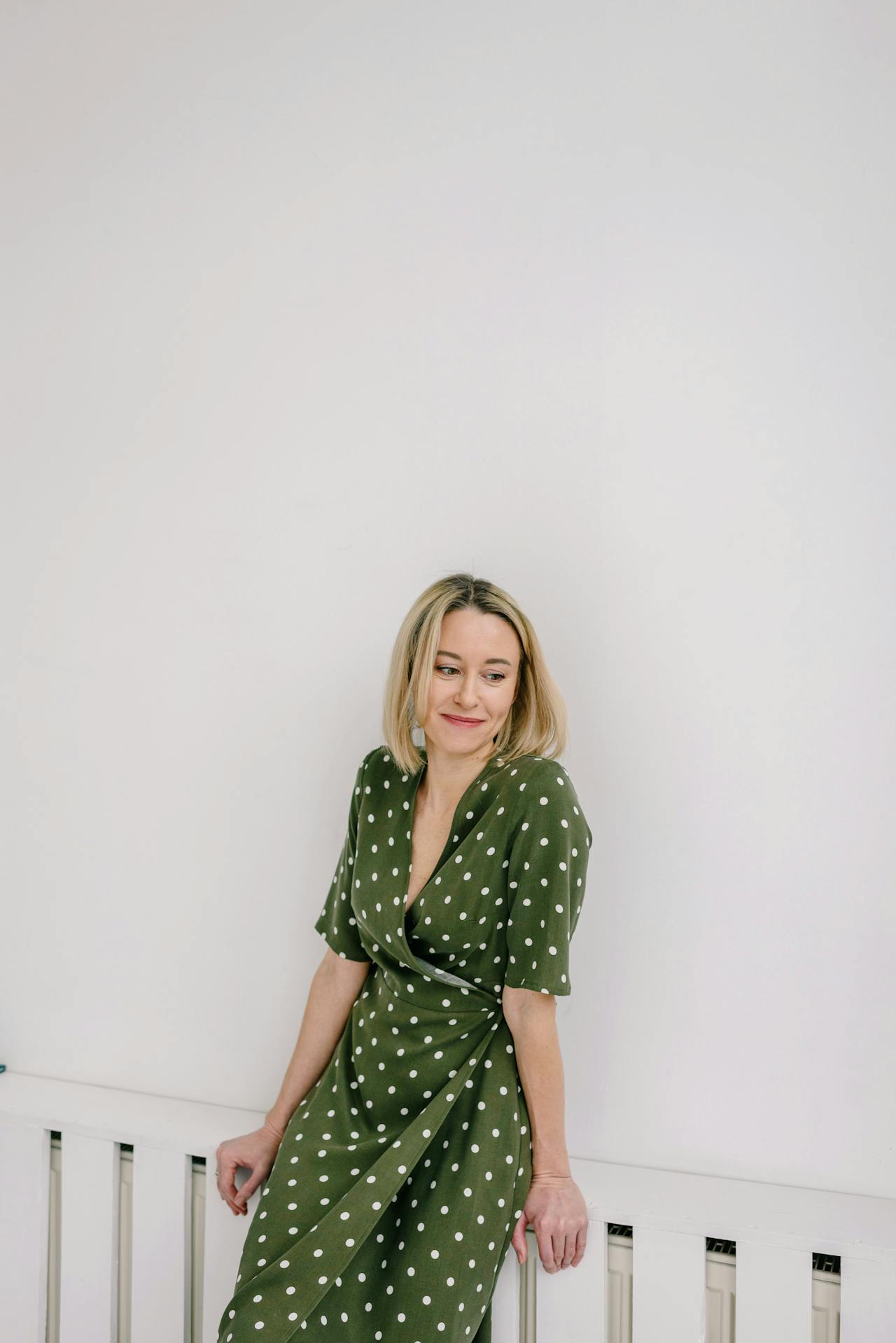
One-piece garments simplify dressing while offering visual structure. Midi dresses and shirt dresses are especially adaptable in lifestyle fashion.
They work well because:
- They require minimal styling effort
- They allow airflow and movement
- They transition easily with footwear changes
For example:
- Sneakers create a casual daytime look
- Sandals keep the outfit relaxed in warm weather
- Low boots or loafers make the same dress feel more intentional
Footwear That Balances Comfort and Polish
Shoes often determine how practical an outfit feels. Lifestyle fashion favors footwear that supports walking, standing, and daily tasks without appearing overly athletic or formal.
Reliable footwear staples include:
- Clean sneakers with simple silhouettes
- Loafers or flat mules with cushioned soles
- Low block heels designed for extended wear
These options complement versatile fashion pieces rather than overpowering them.
Layering Pieces That Adapt to Changing Days
Layering is essential for wardrobes that must handle unpredictable schedules and environments. The best layering pieces add warmth or structure without limiting movement.
Common everyday wardrobe essentials for layering:
- Lightweight cardigans
- Unstructured blazers
- Soft utility jackets
A single outer layer can shift an outfit from casual to polished, reinforcing the adaptability that defines lifestyle fashion.
Fabric Choices That Support Daily Wear
Fabric selection plays a major role in how often clothing gets worn. Items designed for everyday use must balance softness, breathability, and durability.
Preferred fabric characteristics include:
- Natural fibers blended with stretch
- Wrinkle-resistant finishes
- Breathable weaves that regulate temperature
High-quality fabrics extend garment lifespan and reduce the need for constant wardrobe updates.
How Lifestyle Fashion Reflects Changing Priorities
Lifestyle fashion reflects broader shifts in how people live and work. Remote work, flexible schedules, and blended personal roles have changed what people expect from their clothing.
Instead of separate wardrobes for different identities, many now prefer:
- Fewer pieces with more styling options
- Clothes that feel comfortable but intentional
- Wardrobes that evolve with life stages
This approach emphasizes practicality without eliminating personal style.
Style That Works for Everyday Life
Fashion Staples That Fit Real Life, Not Labels
The growing demand for versatile fashion pieces highlights a move away from rigid style categories. Everyday wardrobe essentials succeed when they support daily routines rather than define them. Lifestyle fashion prioritizes adaptability, comfort, and longevity, making it easier for people to dress in ways that feel natural and sustainable over time.
Frequently Asked Questions
1. What are versatile fashion pieces?
Versatile fashion pieces are clothing items designed to work in multiple settings. They can be styled casually or dressed up and often pair well with a wide range of outfits. Their value comes from flexibility rather than trend relevance.
2. How many everyday wardrobe essentials should someone own?
There is no fixed number, but most functional wardrobes rely on a small core of repeat-wear items. Quality, fit, and compatibility matter more than quantity when building everyday wardrobe essentials.
3. Can lifestyle fashion still reflect personal style?
Yes. Lifestyle fashion focuses on function, but personal style appears through color choices, accessories, and styling preferences. Versatility does not mean uniformity.
4. Are capsule wardrobes part of lifestyle fashion?
Capsule wardrobes often align with lifestyle fashion principles. They emphasize intentional purchasing, adaptable outfits, and fewer but more functional pieces that support daily routines.
Related Articles