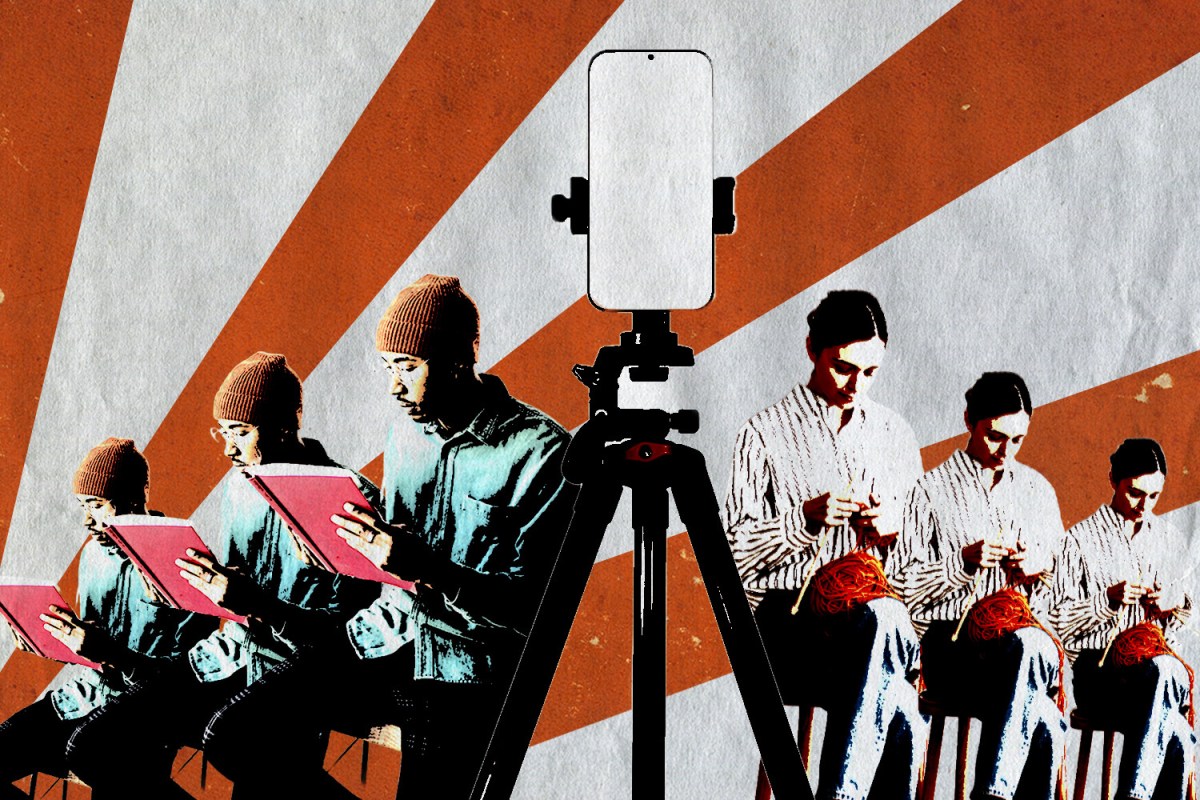
Late last year, posts about people committing to an “analog lifestyle” in 2026 began circulating the internet. This involves lowering screen time by committing to other hobbies and interests, like purchasing iPods instead of streaming music from a phone, using digital alarm clocks instead of the in-app one or participating in an offline activity instead of immediately grabbing your phone. For many, the new year meant reliving a time period as recent as the early 2000s: calling your friends via landline, diving into old magazines and yearning for a time period that felt much simpler.
It makes sense: It was the last era before technology really began to evolve, not yet harmful in the way we’ve learned it is now. Many of us are experiencing unprecedented levels of social media fatigue and addictive doomscrolling habits, so naturally, cultivating a lifestyle that involves being less online sounds rather appealing and refreshing.
What Is the “Bean Soup Theory” on TikTok?
Bean soup is sparking conversations about the rise of egocentrismIt’s reconnecting with life in a way, and yet for some reason, no one can stop posting about it. Is it defeating the purpose entirely?
To some extent, yes. Partly because of this trend, many online communities are evolving. According to data from TikTok, there’s been an increase in several hobbies and interests that correlate with analog lifestyle. “Analog bags,” for example, are tote bags full of hands-on activities, with the hashtag having a 75% week-over-week growth in 2026. The bags are filled with journals, books, art supplies — essentially any kind of activity that keeps your hands busy and distracted from the phone nestled in your pocket. It’s something parents are even getting in on by creating “analog-first” home environments to ensure their kids are screen-free.
If the entire purpose of living an analog lifestyle is to practice it offline, why is it even becoming a trend? What does it say when the focus of a trend like this shifts to making or watching a series of videos about curating a lifestyle with trendy, vintage knicknacks and crafts?
Sure, diving into social media can often lead to finding communities involved with other hobbies or topics you like, which isn’t always a problem if it’s practiced mindfully. You can learn a lot and engage with others who have similar interests as you. When you’re on social media, there are accounts to visit and topics to search for, like books, making sourdough, specific occupations and even taboos like witchcraft. There’s a place for everyone online — clearly even for people who are looking to go offline.
Back in December, this was something I predicted: Everyone will want to go analog, but everyone’s just going to post videos about going analog, so they’re going to defeat the purpose entirely.
To be fair, I may not be accounting for all the offline time these interests are actually curating — and I have no doubt that to some extent, it might be helping people with their screen time. As someone who writes about the internet often, my phone sometimes feels like a limb I can’t detach from. I almost always carry a book with me wherever I go, which I try to opt for as much as I can. This feels like a small and realistic goal that keeps me from mindless scrolling, but I’m not perfect, so I can’t help but credit the people diving into this trend head-on for discovering more outlets and ways to find joy offline.
Say someone watches a few videos of an “analog bag” and becomes interested in making one of their own. They buy the bag and fill it with supplies like new books, new journals, new pens, new art supplies, a used iPod or DVD player they found on eBay. They make a sourdough starter from scratch, and once everything has been unwrapped and placed in a perfect position, they film a video of themselves showcasing everything they’ve bought. They redo it a couple of times, and then they spend somewhere around an hour editing it for social media. The likes and comments start pouring in, so how can one put down their phone when all the fun is just getting started?
It’s also a bit consumerist. Someone may buy a bunch of new supplies to turn over the new leaf of analog living, but if it exists the way trends do — something that exists in a very large way but dies out in a short matter of time — then the journals will sit empty in desk draws, the iPods dead in a junk basket, the books unread and a curated social media algorithm that’s full of life.
Perhaps the alternative isn’t going all-in but finding one small, realistic activity to focus on instead — and celebrating that in a way that involves running to social media less. “I’m going to commit to reading on the subway instead of scrolling on my phone” feels a lot more achievable and rewarding than “I’m going to put one foot in every single hobby that’s ever been done to keep myself from checking my phone, and I’ll make a video for my social media about it.”
More Like This
This article appeared in an InsideHook newsletter. Sign up for free to get more on travel, wellness, style, drinking, and culture.
The post Is the Analog Lifestyle Trend Really Analog at All? appeared first on InsideHook.