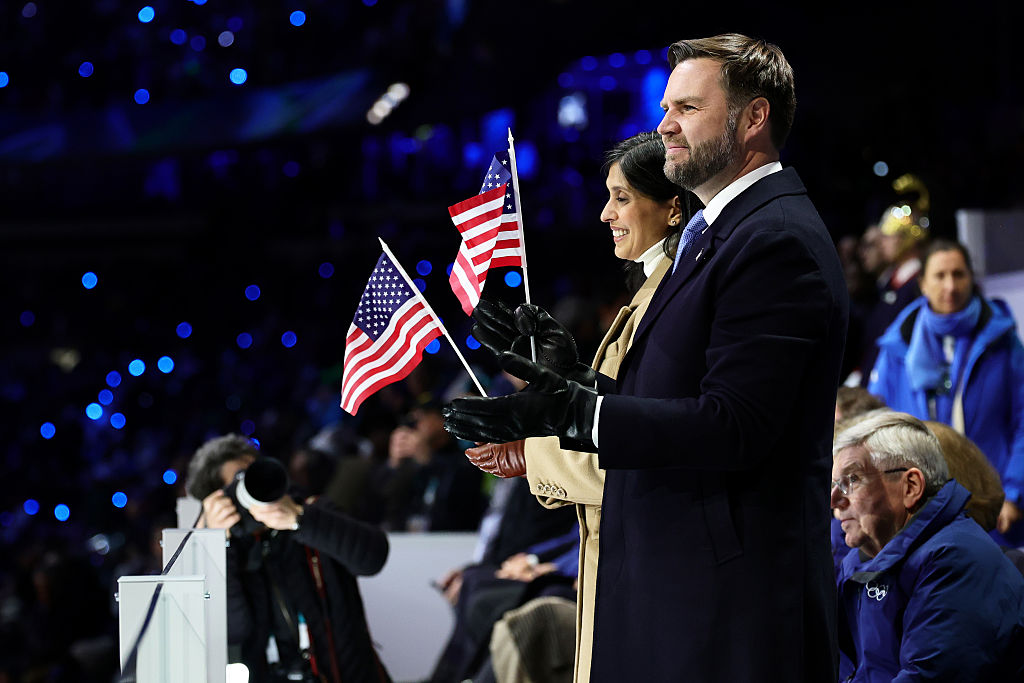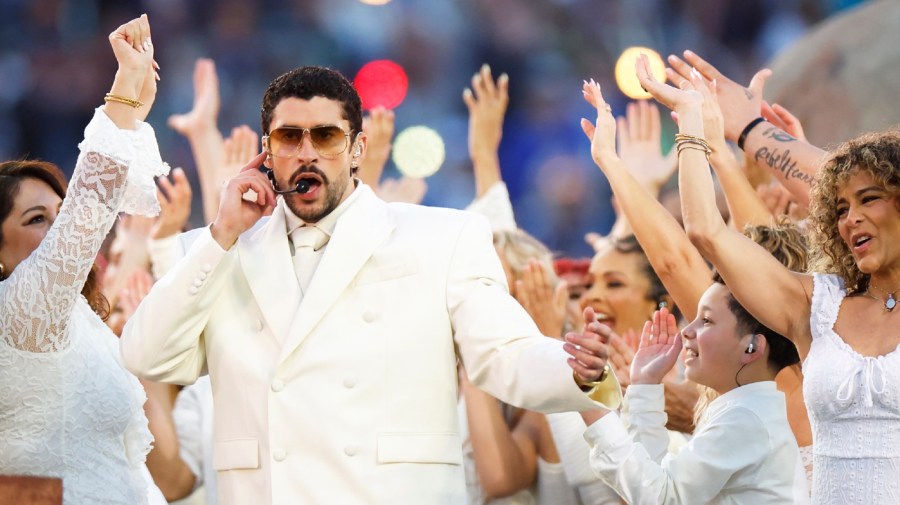
The controversy over Bad Bunny’s Super Bowl performance is the latest — and perhaps biggest — cultural flash point of President Trump’s second term so far.
Trump’s time back in office has, of course, been marked by huge ideological clashes over innumerable matters of policy. But the battles around the president have increasingly spread beyond the orthodox parameters of political debate and into the broader culture.
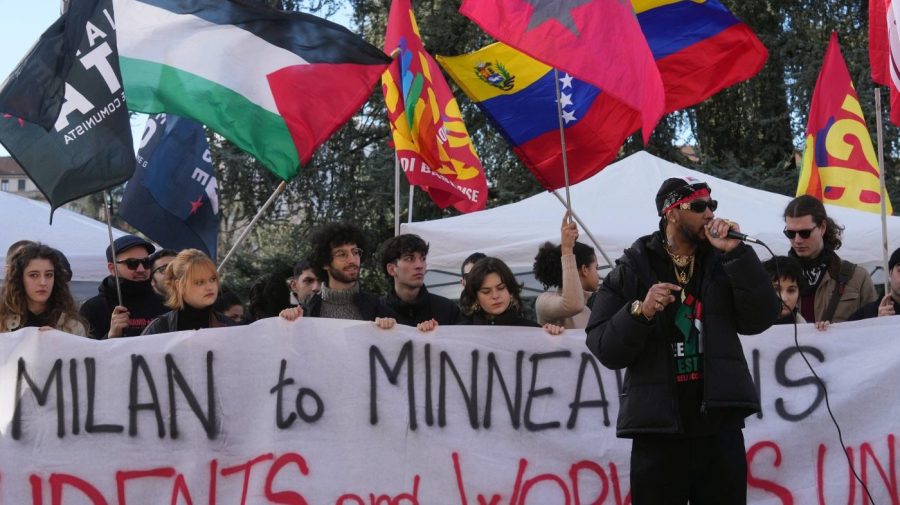
In the past few weeks alone, the cultural skirmishes have encompassed Bruce Springsteen’s rush release of “Streets of Minneapolis,” a protest song written and recorded after the killings of Renee Good and Alex Pretti by federal agents in that city, and fierce condemnation of Trump’s immigration policies at the Grammy Awards by stars such as Billie Eilish and Bad Bunny.
There have also been more unexpected moments, such as the recent episode of CBS’s “Late Show with Stephen Colbert” that caused English actor Ian McKellen’s performance of “The Strangers’ Case” to go viral on social media.
“The Strangers’ Case” — usually attributed to William Shakespeare and written roughly 400 years ago — upbraids anti-immigrant mobs in England for their “mountainish inhumanity.”
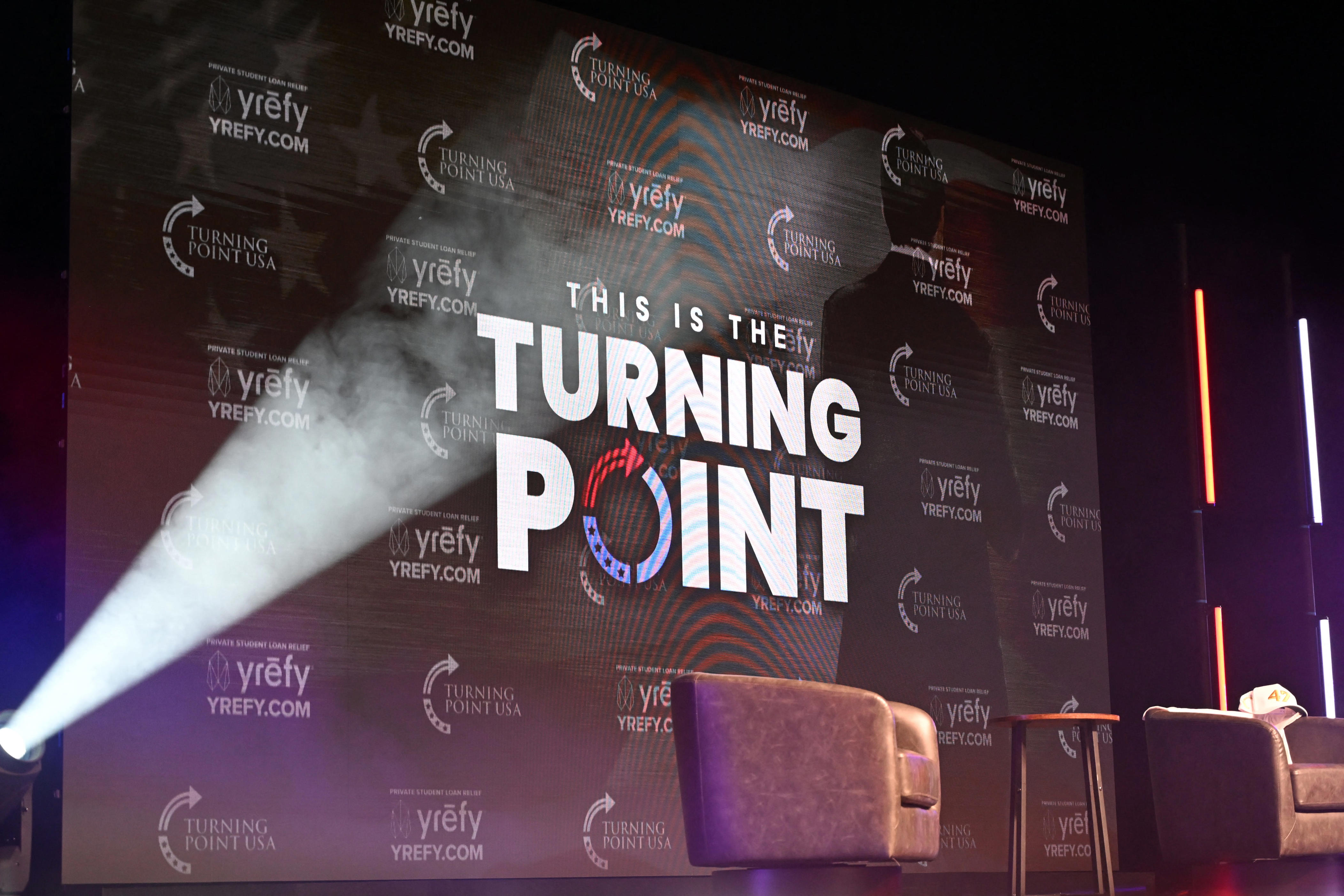
At the same time, there have been conservative counter-blasts — the most obvious being an alternative Super Bowl halftime show, headlined by Kid Rock and organized by Turning Point USA.
For the moment, though, it is the Bad Bunny performance that is dominating the political discourse.
The Puerto Rican megastar’s performance mostly stayed away from explicitly confrontational political content.
But it included strong signifiers of Puerto Rican pride; a shoutout to many other nations, beyond the United States, that make up the Americas; and a moment that some people interpreted as an allusion to Liam Conejo Ramos, the 5-year-old boy taken with his father to an immigration detention center in Texas and later released by a judge’s order.
Many viewers initially thought a young child to whom Bad Bunny gave a Grammy award during his performance was Ramos, but it was in fact a child actor who resembles him.
In any event, the mere fact that Bad Bunny’s performance was in Spanish was enough to raise the ire of some conservatives — including the president.
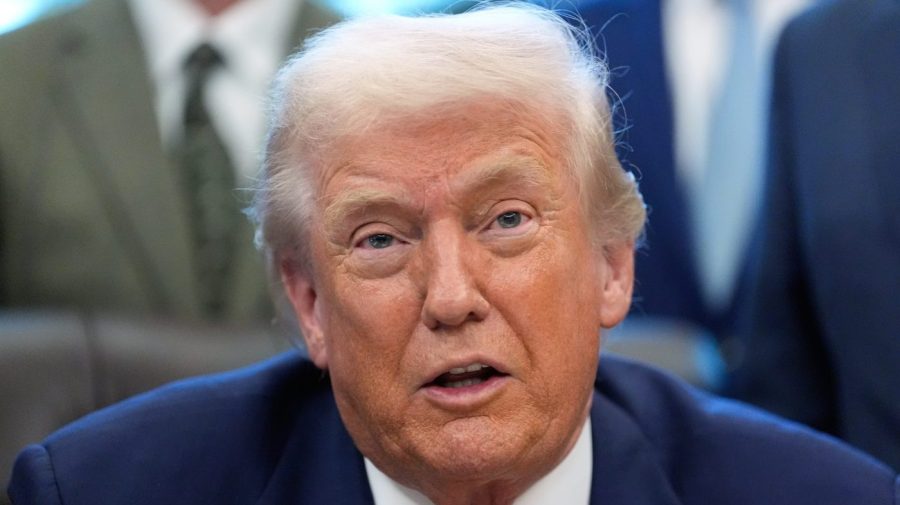
Trump lambasted the halftime show as “absolutely terrible, one of the worst” and as “an affront to the Greatness of America” in a Sunday evening social media post.
Trump further contended that “Nobody understands a word this guy is saying, and the dancing is disgusting.”
Other political figures weighed in as well — including Rep. Alexandria Ocasio-Cortez (D-N.Y.), herself of Puerto Rican descent, who tangled with influencer Jake Paul.
Paul wrote he would be “purposefully turning off the halftime show” and called Bad Bunny a “fake American citizen.”
Puerto Ricans are American citizens.
Ocasio-Cortez noted that Paul himself had moved to Puerto Rico, a decision she characterized as done “to avoid paying your taxes while kids across America go hungry” and added, “Of course you’re mad. He makes you look small.”
The broader political context is vital. The issue of immigration helped get Trump elected in 2024, but the electorate has turned increasingly against aggressive means of enforcement. Earlier this month, a PBS News/NPR/Marist Poll indicated that 65 percent of Americans now believe Immigration and Customs Enforcement has “gone too far” in its actions.
The controversy over Bad Bunny’s Super Bowl performance also came soon after Trump took down a social media post that had included an undeniably racist image of former President Obama and former first lady Michelle Obama.
Democrats and liberals strongly believe Trump has overreached yet again — albeit not in quite such egregious terms — by inveighing against Bad Bunny.
“Bad Bunny is one of the most popular people in the world and Donald Trump is one of the least popular, so Bad Bunny is going to beat his a– every time,” said Democratic strategist Chuck Rocha, who often works on the mobilization of Latino voters.
Rocha also contended that the issue could have real ramifications in the midterms, especially in competitive states like Pennsylvania and Florida that have significant Puerto Rican populations.
He further argued that midterm elections often hinge on which party’s base is most motivated to turn out — and that “Democrats are furious” about many of Trump’s actions, including those centered on immigration and culture.
Notably, some Trump-friendly voices offered more nuanced takes than simple attacks upon Bad Bunny.
Harrison Fields, a former Trump staffer, wrote on the social platform X, “Last time I checked, my Puerto Rican-born grandmother was a full American citizen – and she voted for Trump.”
The president and his allies have often highlighted that his electoral performance with minority voters has typically been better than his critics would have predicted. In 2024, 46 percent of Hispanic voters and 13 percent of Black voters cast their ballots for Trump, according to data from the Roper Center for Public Opinion Research.
Meanwhile, the cultural battles continue to intensify.
The Springsteen song in the wake of the killings of Good and Pretti, for example, name-checked White House deputy chief of staff Stephen Miller and Homeland Security Secretary Kristi Noem, accusing the duo of “dirty lies.”
Its chorus implored that “We’ll take our stand for this land/ And the stranger in our midst/ We’ll remember the names of those who died/ On the streets of Minneapolis.”
The song topped the Billboard Digital Song Sales chart soon after its release, and it appears to have won the 76-year-old icon some new, younger fans.
James Sullivan, the author of “Which Side Are You On?,” a book about American protest songs, told this column that Springsteen was a rare artist with the stature to transcend the increasing “Balkanization” of music and popular culture.
“It’s harder for any song to gain the kind of traction that sort of music did 50 years ago,” Sullivan said. “So, for any artist like Springsteen to release a topical song that he recorded and released within a couple of days? He is one of the few who can do that.”
Such cultural moments offer “a different way to break through,” Sullivan added.
There may be more such moments ahead.
The Memo is a reported column by Niall Stanage.
Copyright 2026 Nexstar Media, Inc. All rights reserved. This material may not be published, broadcast, rewritten, or redistributed.For the latest news, weather, sports, and streaming video, head to The Hill.