TEL AVIV—Israeli Prime Minister Benjamin Netanyahu is making an urgent trip to Washington, as concern grows in Israel that the U.S. and Iran could agree to a nuclear deal that falls short of ending the threat from Tehran.
The Israeli leader had weighed a trip to visit President Trump next week amid tensions with Iran and challenges with Trump’s Gaza peace plan. But with U.S.-Iran talks that began last week in Oman set to continue, Israel has grown concerned the U.S. could compromise on points it considers crucial, and Netanyahu decided to leave for Washington on Tuesday.
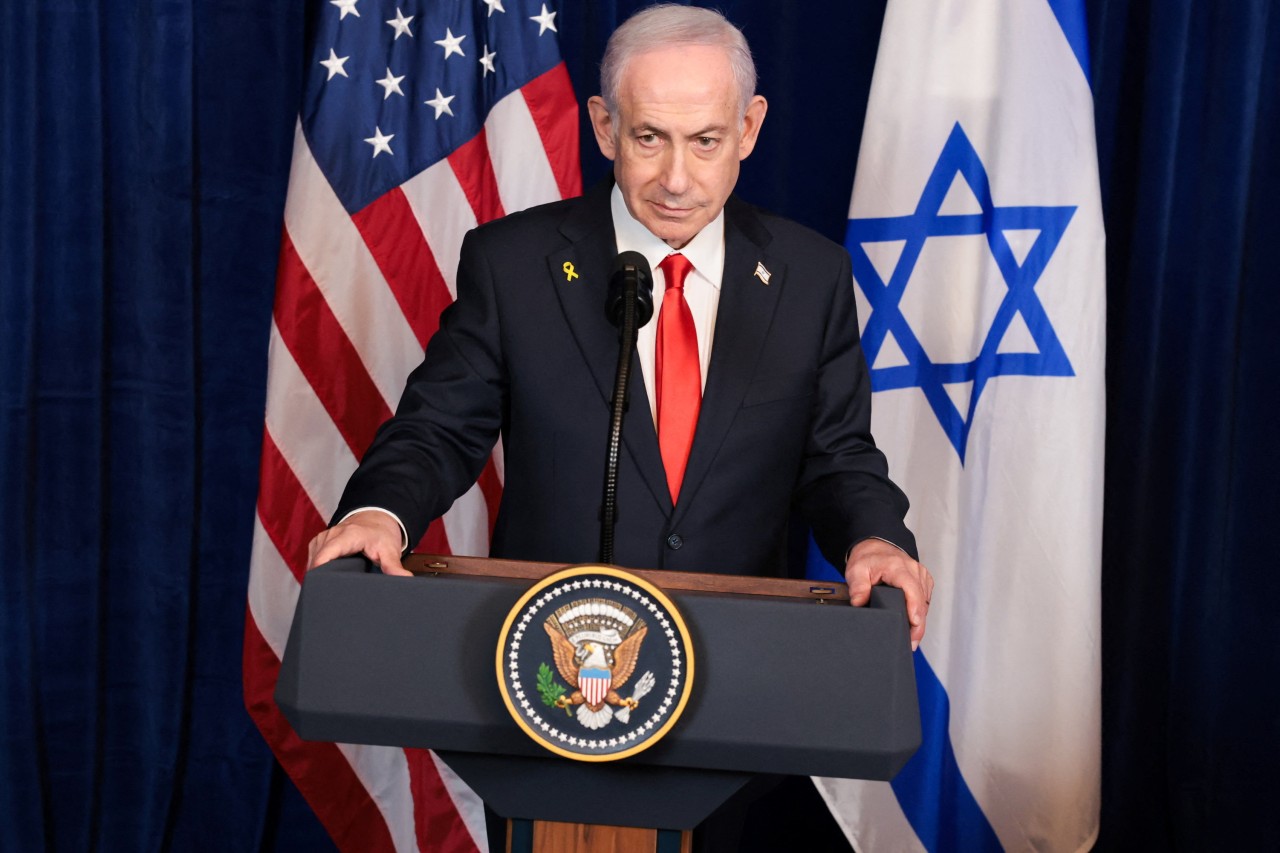
Trump has said the talks were off to a good start, despite Iran’s insistence that discussions about missiles and ending enrichment were off limits. Speaking on the tarmac in Tel Aviv before leaving, Netanyahu said he was traveling to present Israel’s views on core issues in the talks.
Israeli officials said the country’s demands include the complete dismantling of Iran’s nuclear-enrichment facilities, limits on Iran’s missile program, and the end of Iranian support for regional militias like Hamas in Gaza, Hezbollah in Lebanon and the Houthis in Yemen. They also worry a deal could bring sanctions relief that shores up the regime in Tehran as it grapples with the strongest wave of public discontent in years.
A senior U.S. administration official said the U.S. and Israel coordinate closely on a range of issues.
Last year, Israel feared talks between the Trump administration and Iran were headed in a bad direction, but Netanyahu convinced the U.S. president to allow Israel to launch an attack on Iran’s nuclear and missile facilities, The Wall Street Journal previously reported. After Israel’s initial success in that campaign, Trump authorized a U.S. strike that severely damaged Iran’s main nuclear facilities.
Any sign of divergence between the two over Iran’s nuclear ambitions is a significant concern for Israel, and Netanyahu has made a point of staying close to Trump. This week’s meeting will be their seventh since Trump was re-elected. It also comes at what could be an inflection point.
Iran has been rebuilding its ballistic-missile program since Israel severely degraded it during the war in June. Israeli officials fear Iran might eventually be able to produce tens of thousands of missiles, enough to overwhelm Israel’s air defenses.
Michael Oren, a former Israeli ambassador to the U.S. under Netanyahu, said the prime minister is concerned Trump could agree to a deal that lets Iran off the hook after Israel greatly weakened the regime and battered its allied militias during two years of war.
“That military victory could be reversed if Iran is allowed to get sanctions relief and returns to being a great regional threat, armed with ballistic missiles and supporting terror,” Oren said.
U.S. officials have said Iran must end enrichment and curtail its missile program, while Trump has said he would like to cut a deal to prevent Iran getting a nuclear weapon. He has threatened to use force if his demands aren’t met and has amassed forces including an aircraft carrier and advanced jet fighters in the region to be on hand if needed.
Beyond the specific negotiating points, Israeli officials said Netanyahu will make the case to Trump when they meet Wednesday that Iran could renege later on any agreements it makes now while under pressure from a cratering economy, civil unrest and the U.S. military.
“One of the main messages Netanyahu will bring to Trump is that there’s no value to negotiations with Iran. Iran has not followed through on any of its commitments,” Eli Cohen, a senior minister in Netanyahu’s Likud party, told Israel’s Army Radio on Monday. “The main thing is changing the terror regime in Iran.”
Israel has said before that it would be willing to act alone against Iran if it felt its security was at risk from Iran’s missiles or nuclear program, a position Trump endorsed during a meeting with Netanyahu in December.
During the current talks, Israel will likely want to see limits on the range of Iran’s missiles, so they can’t reach Israel, or the quantity, so they can’t overwhelm Israel’s air defenses, said Yaakov Amidror, who was Israel’s national-security adviser when the Obama administration brokered a nuclear accord with Iran. Trump took the U.S. out of that original deal in his first term.
While Israel might be able to live with remaining in range of a limited number of Iranian missiles, Amidror said Israel would be unable to accept any compromise regarding Iran’s ability to enrich uranium on its own soil. Iran, he said, has demonstrated it could ramp up enrichment again in the future if circumstances change.
Iran denies its nuclear program is for anything but civilian use. Still, it is the only country without a nuclear weapon to produce 60% highly enriched uranium, which is close to weapons grade. Israel says it has provided sufficient evidence that Iran has maintained a research program that could enable it to sprint toward a bomb, a view widely shared in Europe and the U.S.
In the first round of talks in Oman on Friday, Iran demanded the right to enrich uranium on its soil. Its Foreign Ministry spokesman, Esmail Baghaei, on Tuesday called on the U.S. to reject Israeli influence over the current negotiations.
Write to Dov Lieber at dov.lieber@wsj.com