In a major move to cripple the Russian war effort in Ukraine, SpaceX has disabled all Starlink terminals in Ukraine except for those on an approved whitelist. Ukraine relies on the satellite internet service to keep its soldiers in communication and to control drones at long ranges. Meanwhile, Russia... relies on the satellite internet service to keep its soldiers in communication and to control drones at long ranges. The latter aren't supposed to be doing that, because sanctions don't allow SpaceX to do business with them. Russia did not care about this and smuggled itself some Starlink terminals. They've effectively been pirating the signal. No longer.
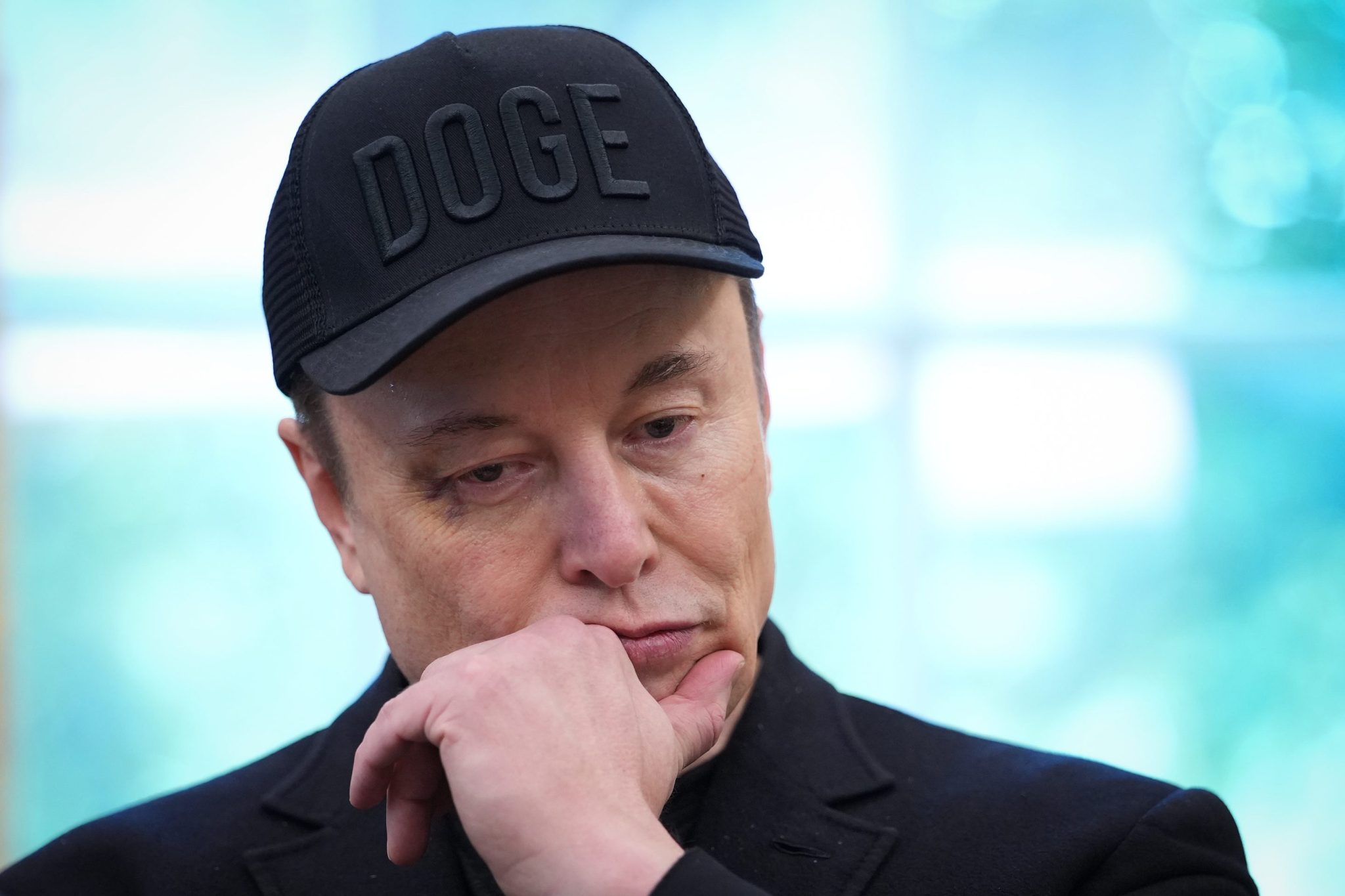
This is a drama that's been unfolding over the last week or two. It started, at least in public, on X, the social media platform owned by the same guy who owns SpaceX, Elon Musk. On January 27, Polish Deputy Prime Minister Radoslaw Sikorski threw out a taunt to "big man" Musk on the subject of Russian Starlink piracy. With characteristic poise and grace, Musk retaliated by calling him a "drooling imbecile." Good start! But just two days later, Ukrainian Defence Minister Mykhailo Fedorov was thanking Musk, on X of course, for shutting down Starlink terminals and setting up a whitelist for Ukrainian troops. This is how diplomacy works now, apparently.
Read more: Anyone Can Drive Volvo's New VNL Semi Truck, But That Won't Make You A Trucker
21st century warfare by tech bros
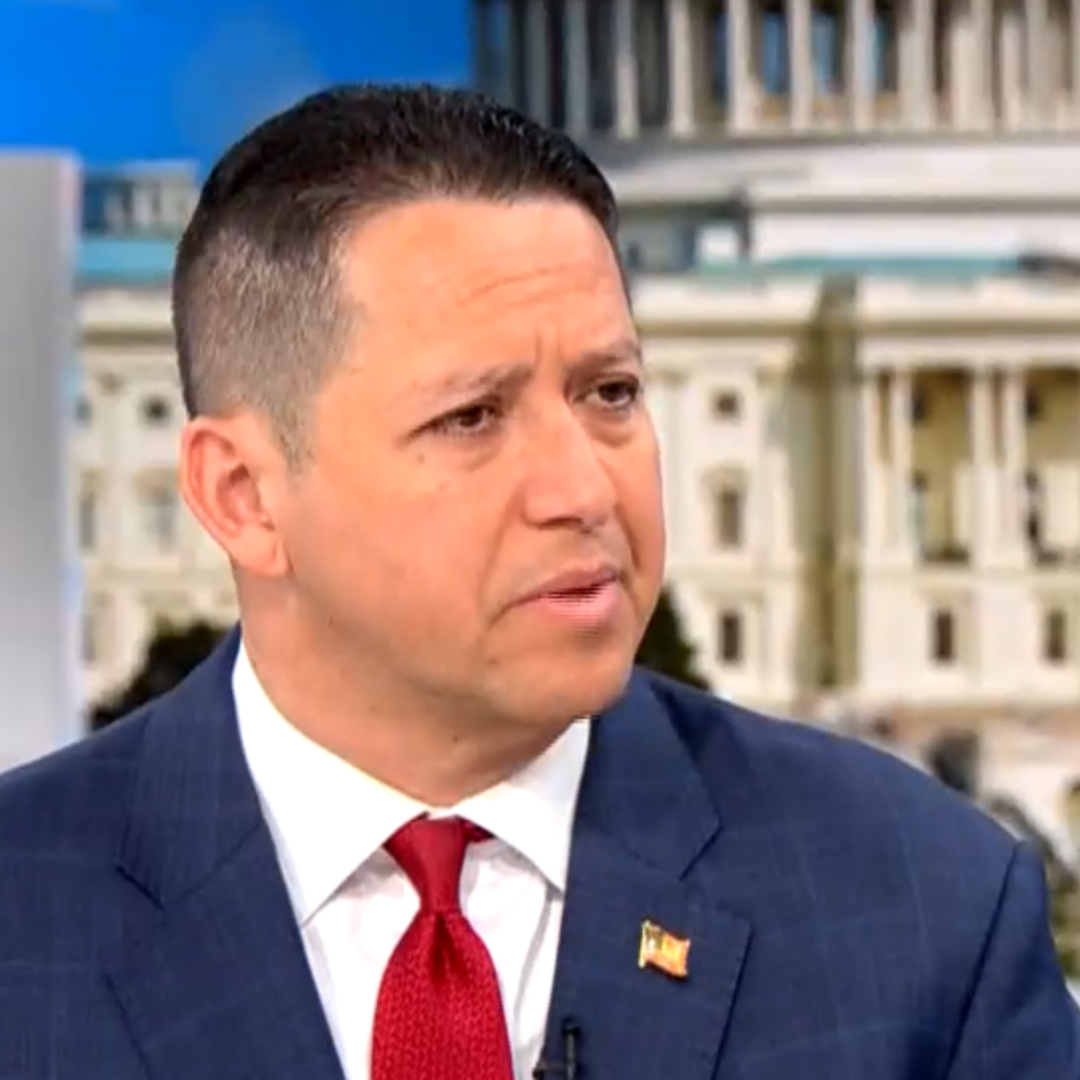
Fedorov only became Defence Minister last month, at the age of 34. Per the New York Times, he got the job because he came out of the tech industry and had a better understanding of the future of warfare than older, traditional military types. Given his exchange with Musk on X, there may be another qualification here: he understands the language of tech bros and knows how to negotiate with them successfully.
Shutting off Starlink cuts isolated Russian soldiers off from their commanders, but it also downs drones. CNN reports that at least hundreds of Russian drones have sported Starlink terminals; the true figure is likely much higher. Drones may be cheap and numerous, but they are also difficult to stay in contact with: radio requires line of sight, and fiber optic cables can snag and break. Satellite links can cover any amount of distance and are much harder to jam, making them the preferred option.
So starving Russia of this asset is pretty critical, and at the moment, it appears to be working. Politico has heard from Ukrainian sources that the Russian advance, already at a snail's pace, has slowed even further since the Starlink terminals were deactivated. Russia has no real alternative to pirated American technology, so it ought to be a sustained blow to their efforts. Unless of course they figure out how to pirate it again. Even if it doesn't, Russia will patch something together to keep its war machine turning. For what it's worth, Ukraine is also seeing disruptions as its terminals only slowly get whitelisted, but this ought to smooth out over time.
The power of one company, and one man
Underneath all this are two facts: modern warfare depends on space, and one company (and really, one man) dominates that domain at the moment. Starlink has no real competitor, and it has been interwoven with the Ukraine War since the start. That's been a very bumpy road, as Musk has switched Ukraine's access to the service on and off at his whim. One CEO having such an instant effect on a whole battlespace is a novelty. It's not clear the world really knows what to do about that yet.
In the medium-term, alternatives to Starlink should be coming online, which may be a way to get out of the situation. Jeff Bezos' Blue Origin is already spinning up its own satellite constellation, called Leo (formerly Kuiper). But so is China, which may provide access to nations like Russia. If you ever wondered why the U.S. needed a Space Force, this is why. It's likely only a matter of time before warfare reaches orbit itself.
Want more like this? Join the Jalopnik newsletter to get the latest auto news sent straight to your inbox, and add us as a preferred search source on Google.
Read the original article on Jalopnik.