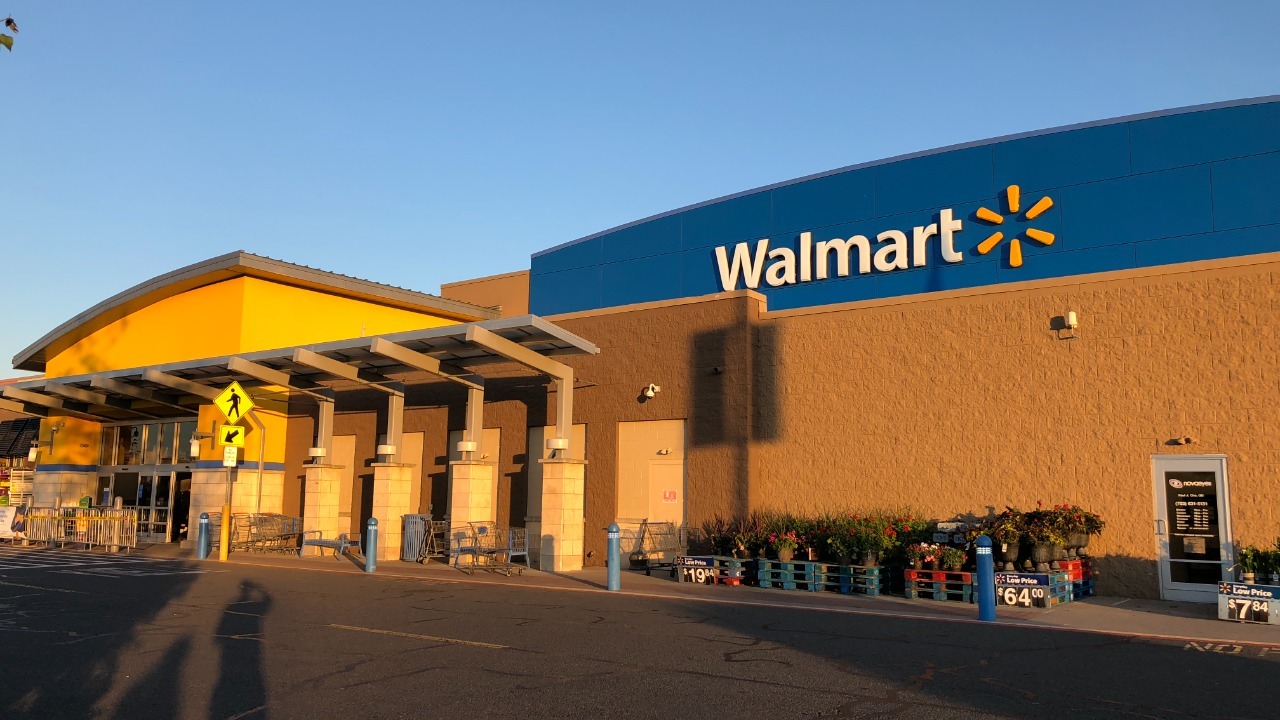
Shoppers rolling through Walmart’s fluorescent aisles are discovering something new bolted to the underside of their carts: a discreet gray or white box that looks more at home in a server room than a supermarket. The devices have triggered a wave of online speculation and anger, with customers convinced their movements and purchases are being tracked in real time without meaningful consent. At the center of the uproar is a familiar tension in modern retail, where the line between loss prevention and pervasive surveillance keeps getting thinner.
What is actually happening appears more mundane than the wildest theories, yet more troubling than a simple anti-theft upgrade. The hardware has been identified as a networked tracking module, likely using low-power radio signals to monitor carts across sprawling parking lots and store floors. That kind of infrastructure can start as a way to keep carts from disappearing and quickly evolve into a system that maps how every shopper moves, pauses, and spends.
The gray box that lit up the internet
The controversy started with photos and videos of a gray box mounted low on Walmart carts, close enough to the ground that many shoppers missed it until someone crouched down with a camera. On Reddit, one thread dissected the “gray box mounted to Walmart shopping carts,” with users zooming in on screws, vents, and labels to figure out what it was and why it had appeared without explanation. The discussion in r/whatisit quickly moved from curiosity to suspicion as people compared notes from different stores.
Not long after, a TikTok clip from a Chicago location went viral, framed as “Everything You Put In The Cart, Chicago Man Shops At Walmart, Then He Notices They Now Use Trackers.” Commenters argued over whether the device could log every item, link to loyalty data, or even sync with phones, with some insisting it was a full-blown GPS unit. In the comments, users speculated that the system could follow shoppers around the store and, theoretically, increase sales by nudging them toward certain aisles, a claim echoed in coverage of the Chicago man’s video.
From TikTok panic to LoRaWAN reality
Once the initial panic spread, more technically minded viewers began freezing frames and matching the box’s design to commercial hardware catalogs. Several identified it as a MOKOSmart LW008-MTP Small LoRaWAN device, a low-power tracker designed to ping a central network rather than stream rich data like video or audio. One analysis noted that the unit in the viral clip matched the “MTP Small” form factor, suggesting Walmart had opted for a relatively simple location tracker instead of a fully “smart” cart computer, a point backed up by breakdowns of the LoRaWAN product.
That technical detail matters because it undercuts the most extreme claim, that the box can literally see and log “everything you put in the cart” by itself. A LoRaWAN tag is more like a digital homing beacon than a camera. Yet it does not settle the privacy question. A network that knows where every cart is, how long it lingers in front of an endcap, and when it leaves the building can still be fused with other data streams, from shelf sensors to payment records, to build a detailed behavioral map. The device may not be a sci-fi spy gadget, but it is a building block in a much larger surveillance architecture.
Walmart’s quiet rollout and louder backlash
Walmart has not issued a detailed public explanation of the rollout, leaving shoppers to reverse engineer the program store by store. Reports describe the boxes appearing on carts in multiple locations, with some customers urged to “look underneath” after noticing a new gray feature attached to the frame. Coverage of the rollout notes that Walmart “slaps new ‘gray box’ feature on carts” and that shoppers have noticed what they describe as a tracking device, prompting warnings that the retailer could use the data to profit from customer behavior, as reflected in accounts of shoppers being urged.
In parallel, social media posts framed the boxes as a “tracker for everything you put in the cart,” a phrase repeated in a widely shared TikTok that showed a small white plastic box attached under the cart. The clip claimed Walmart now had a tracker for every shopper, and commenters warned that the retailer “knows exactly what they do” inside the store. Reporting on that video notes that the device is actually a LoRaWAN module, but also documents how video shows a and how the framing fueled privacy fears.
Surveillance by design, not accident
To understand why a simple cart tracker has hit such a nerve, it helps to look at Walmart’s longer history of experimenting with data-rich shopping carts. Years before the gray boxes appeared, the company filed a patent application for biometric feedback carts that could monitor a shopper’s heart rate, grip strength, and other signals through embedded sensors in the handle. The idea was to detect stress or frustration and alert staff, but it also meant the cart itself would be constantly reading the customer’s body, a concept described in detail in analysis of biometric feedback shopping.
Another analysis of those filings framed them as part of “Walmart’s Shopping Carts & The Future of Occupancy Tracking in Retail,” arguing that the retailer was building tools to monitor how many people are in a store, where they cluster, and how they move through space. That piece described how the company’s patent applications envisioned carts as mobile sensors feeding into a vast analytics engine that could reshape staffing, layout, and promotions, a vision laid out in coverage of Shopping Carts and. Against that backdrop, the new gray boxes look less like a one-off theft deterrent and more like the next incremental step in a long-term strategy.
What the devices can do today, and what they enable tomorrow
Technically, a MOKOSmart LW008-MTP Small LoRaWAN module is built to send low-bandwidth signals about location and movement, not to capture video or audio. Product listings for similar hardware emphasize features like geofencing, battery life, and integration with asset management dashboards, rather than any direct link to payment systems or cameras. One such product description highlights LoRaWAN connectivity and small form factor, which aligns with what shoppers are seeing under their carts.
Yet the real power of such a system lies in how it can be combined with other data. If Walmart links cart IDs to time-stamped receipts, camera analytics, or app logins, it could reconstruct a shopper’s path and correlate it with what they ultimately bought or skipped. Over time, that kind of behavioral dataset can be used to redesign store layouts, test which endcaps drive the most impulse buys, or even adjust staffing minute by minute. The hardware itself is modest, but the analytics it unlocks could be transformative for a retailer that already treats its stores like giant laboratories.
More from Morning Overview
*This article was researched with the help of AI, with human editors creating the final content.