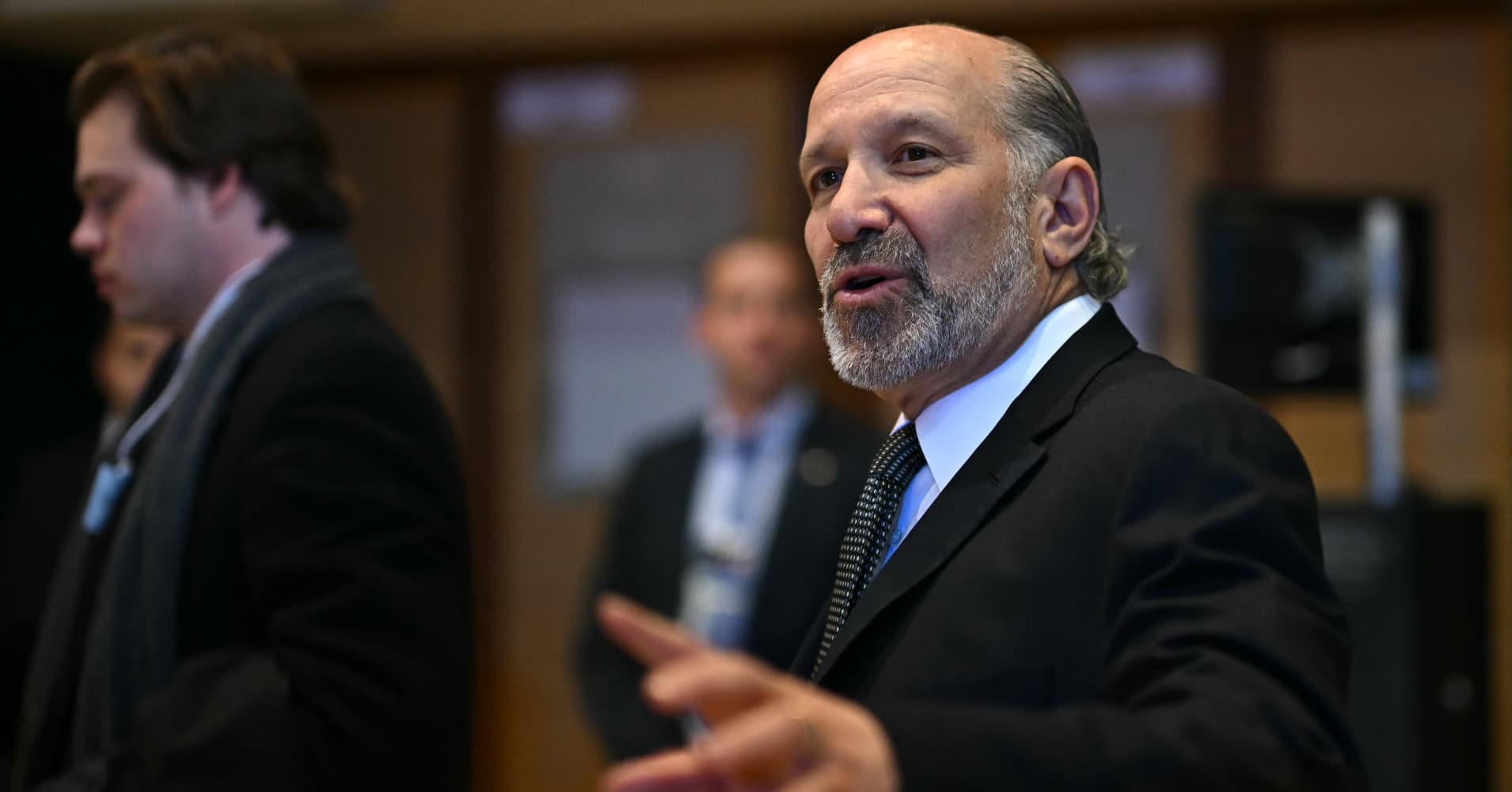
Building apps is now almost effortless
Microsoft AI CEO Mustafa Suleyman says a new way of creating software is changing who gets to build apps. He calls it vibe coding, and he believes it is removing the old technical barriers that once kept most people out of software development.
According to Suleyman, people can now spin up tools quickly and start building with very little setup. That shift could have major consequences for how apps are made and who gets to participate in creating digital products.

You can create an app in seconds, he says
On the Exponential View podcast, Suleyman said AI tools can make it possible to create a simple web app in seconds, although results vary depending on the tools and the complexity of the project.
In his words, a person can create a web app in seconds. That speed represents a change from more typical development workflows, where even small products often required days of setup and specialist skill sets, though modern frameworks sometimes sped prototyping.
For example, Anthropic has said it built its Cowork prototype in about a week and a half using its own AI coding tools.
What vibe coding actually means
Suleyman describes vibe coding as less about writing every line by hand and more about guiding AI tools and iterating by experimentation, learning through prompting, and rapid prototyping.
Suleyman suggested that people can discover what works by pushing these systems to their limits. He said you only understand the magic and their weaknesses by exploring what they can and cannot handle.

You do not need to be a traditional developer
Suleyman argues that deep technical training is no longer an absolute prerequisite to start prototyping because AI tools let people iterate quickly, though production-grade software still requires engineering expertise.
This lowers the barrier for people who have ideas but have never learned formal programming. It opens the door to more creators who can turn everyday problems into simple tools without going through years of training.
AI can build things you thought were impossible
Suleyman said AI can build something you may have thought was never possible for you to create. That reflects how much heavy lifting the systems now handle when turning plain language ideas into working software.
Instead of worrying about syntax or complex setup, users can focus more on what they want the app to do. The AI takes on much of the translation from idea to functioning code behind the scenes.

Even Suleyman vibe codes his own tools
Suleyman shared that he built a system to track DJs he wants to see, along with concerts and festivals. The setup matches those events with his travel schedule and keeps everything updated automatically in a spreadsheet.
What used to be manual planning now runs on its own throughout the year. That example shows how vibe coding can turn personal organization tasks into automated systems with far less effort than before.

Why investors are starting to worry
Suleyman’s comments come at a time when investors are increasingly anxious about AI tools replacing entire categories of software. As AI systems take on more complex tasks, traditional apps may face pressure.
The concern grew after Anthropic launched Cowork, a desktop agent with file and document automation features that the company says can help with tasks like contract review and compliance.
Some investors reacted to the announcement, and a short-term sell-off affected a number of legal data and publishing firms in recent trading. Use specific market sources for precise share moves.

Markets reacted to AI replacing software tasks
After those legal-focused AI features were announced, shares of legal software companies in Europe and the United States fell sharply. The selling later spread more broadly across the software sector and into tech.
A similar reaction had already happened months earlier when OpenAI rolled out internal AI-powered software tools. These market moves show how seriously investors take the idea that AI could replace existing products.
Many new AI tools were built using AI coding
A number of the tools now shaking up the tech sector were themselves built with AI coding tools. OpenClaw is a viral open-source agentic assistant created by developer Peter Steinberger that connects language models to local files and apps.
Reports show it has risen quickly and demonstrates how individual developers can assemble powerful agents through development that involves conventional coding as well as the use of model APIs.
Moltbook, a forum built to showcase AI agents, was launched rapidly and reporting and security researchers later found critical vulnerabilities that exposed data, leading to wider concerns about quickly assembled agentic projects.
Building serious tools in just days is becoming normal
Anthropic engineers and public posts indicate that Claude Code generated the bulk of Cowork's implementation and that the team assembled the research preview in roughly a week and a half. Reporters and Anthropic staff described this as an example of AI-assisted development.
Other tech leaders echo that speed. Developer Peter Steinberger said AI now lets developers build everything. OpenAI chair Bret Taylor said building software quickly through vibe coding may soon feel routine rather than surprising.
The future may belong to AI agents, not apps
Bret Taylor raised a deeper question about what software will still matter. Instead of dashboards, browser forms, and traditional apps, he expects AI agents to become the main way people interact with software.
He asked whether people will buy those agents off the shelf or build them themselves. That idea connects directly to vibe coding, where individuals and teams can create their own digital helpers instead of relying only on packaged apps.
Discover how OpenAI launches the ChatGPT Project, which may revolutionize your AI workflow for everyday tasks.

A bigger shift in who gets to build software
Vibe coding points to a broader change in the software world. When building tools becomes faster and more accessible, more people can turn their ideas into working systems without relying entirely on traditional development teams.
This can be life-changing for both those who know how to code and those who don't know how to code. That could reshape how software is created, who creates it, and which products survive.
The emphasis on balance and control echoes in how Microsoft doubles down on ethics, says AI must remain under human guidance as tools become more capable.
What do you think about Vibe coding making app building easier than ever? Share your thoughts.
This slideshow was made with AI assistance and human editing.
Don’t forget to follow us for more exclusive content on MSN.
Read More From This Brand: